Banana Bread VS Whole Wheat Sandwich
A detailed nutritional comparison
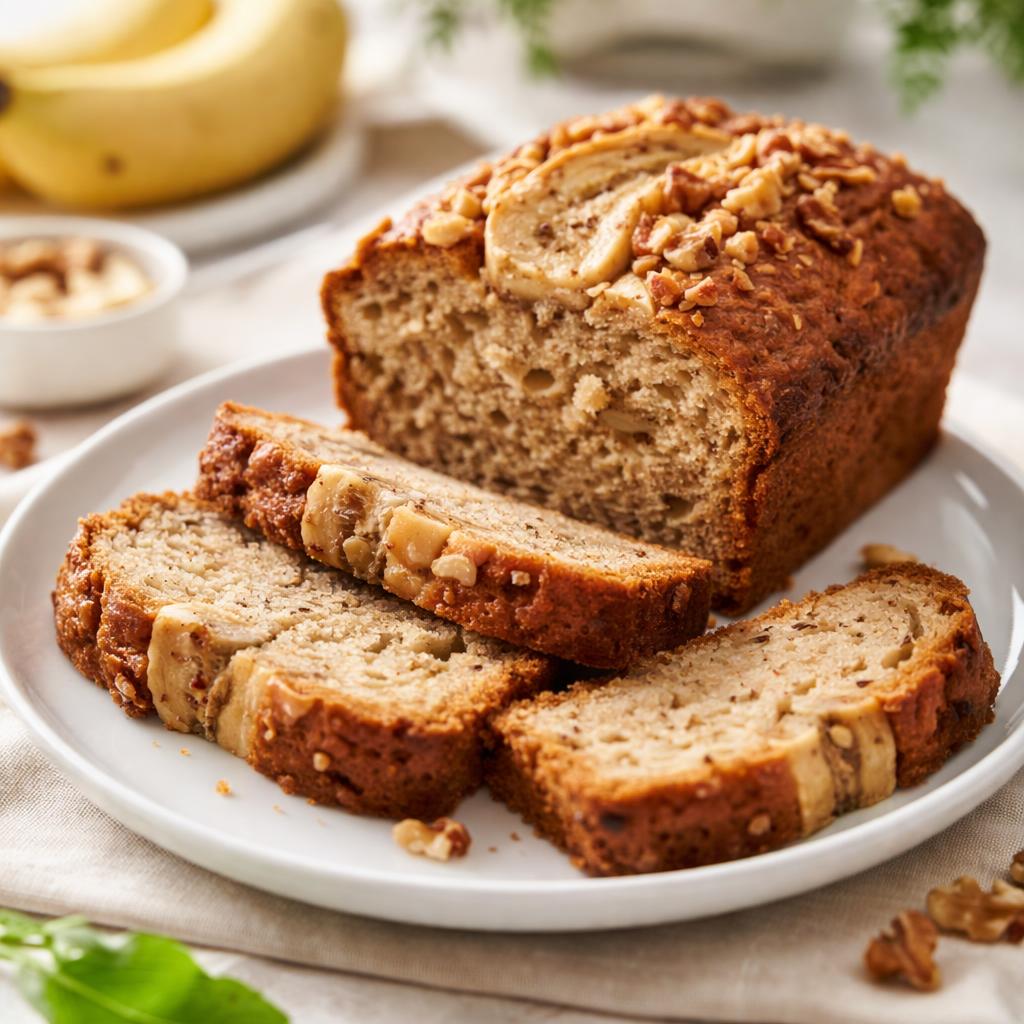
Banana Bread
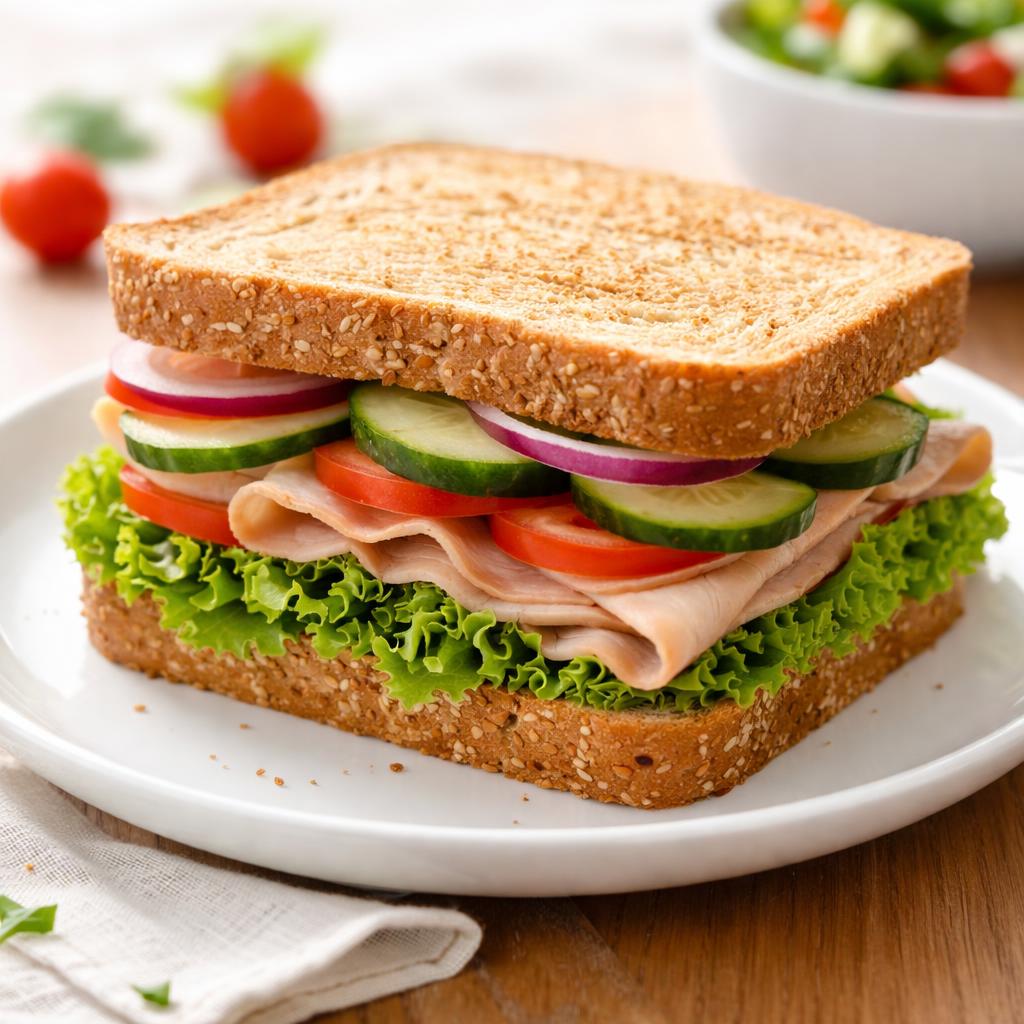
Whole Wheat Sandwich
🎯 Quick Verdict
Whole wheat sandwiches are more nutrient-dense, with higher protein, fiber, and lower calorie counts compared to banana bread, which is higher in sugar and carbs. Banana bread is better suited for energy snacks or indulgent treats, while whole wheat sandwiches excel as a balanced meal option that promotes satiety and sustained energy.

Smart Nutrition Tracking with SnapCalorie

📊 Nutritional Comparison
Macronutrients
| Nutrient | Food 1 | Food 2 | Winner |
|---|---|---|---|
| Calories | 240 per slice (100g) | 180 per sandwich (100g) | ✓ |
| Protein | 3g | 12g | ✓ |
| Carbs | 42g | 30g | ✓ |
| Fat | 8g | 4g | ✓ |
| Fiber | 2g | 6g | ✓ |
Vitamins & Minerals
| Nutrient | Food 1 | Food 2 | Winner |
|---|---|---|---|
| Vitamin D | 0mcg | 0mcg | − |
| Calcium | 10mg | 50mg | ✓ |
| Iron | 0.5mg | 2mg | ✓ |
🏆 Category Winners
Protein
Whole wheat sandwich contains 4 times more protein than banana bread.
Fiber
Whole wheat sandwich has triple the fiber content.
Calories
Whole wheat sandwich contains 25% fewer calories per serving.
🥗 Diet Compatibility
Keto
Food 1: Not Compatible
Food 2: Not Compatible
Both are high-carb and exceed keto-friendly carb limits.
Vegan
Food 1: Depends on recipe
Food 2: Compatible
Banana bread may contain animal-sourced ingredients like eggs or butter.
Gluten Free
Food 1: Not Compatible
Food 2: Not Compatible
Both contain wheat-based flour.
Paleo
Food 1: Not Compatible
Food 2: Not Compatible
Both are grain-based and not compliant with paleo restrictions.
Low-Carb
Food 1: Not Compatible
Food 2: Not Compatible
Both contain over 30g of carbs per serving, exceeding low-carb limits.
💪 Health Benefits Comparison
Food 1 Benefits
- Provides quick energy due to high carb content
- Can be a source of potassium if bananas are used
- Contains moderate fats which support energy absorption
Food 2 Benefits
- High in protein to support muscle growth and repair
- Rich in fiber for digestive health
- Contains essential minerals like iron and calcium for bone health
✅ The Bottom Line
Whole wheat sandwiches are the superior option nutritionally, offering higher protein, fiber, and lower calories. Banana bread, on the other hand, serves better for quick energy and indulgence in moderation.
Choose Food 1 for: Energy snacks, post-workout carb replenishment, sweet treats
Choose Food 2 for: Balanced meal, weight management, sustained energy


