Banana Bread VS Whole Grain Bread Roll
A detailed nutritional comparison
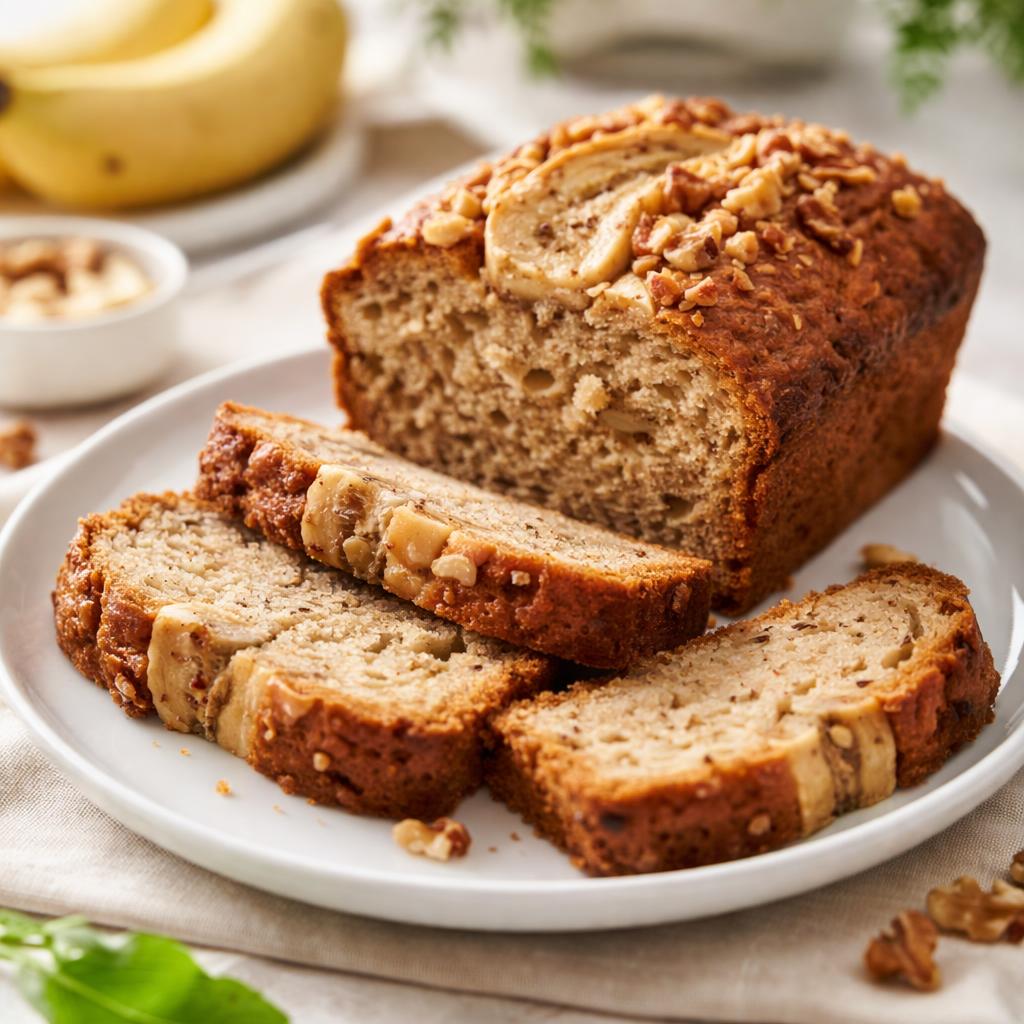
Banana Bread
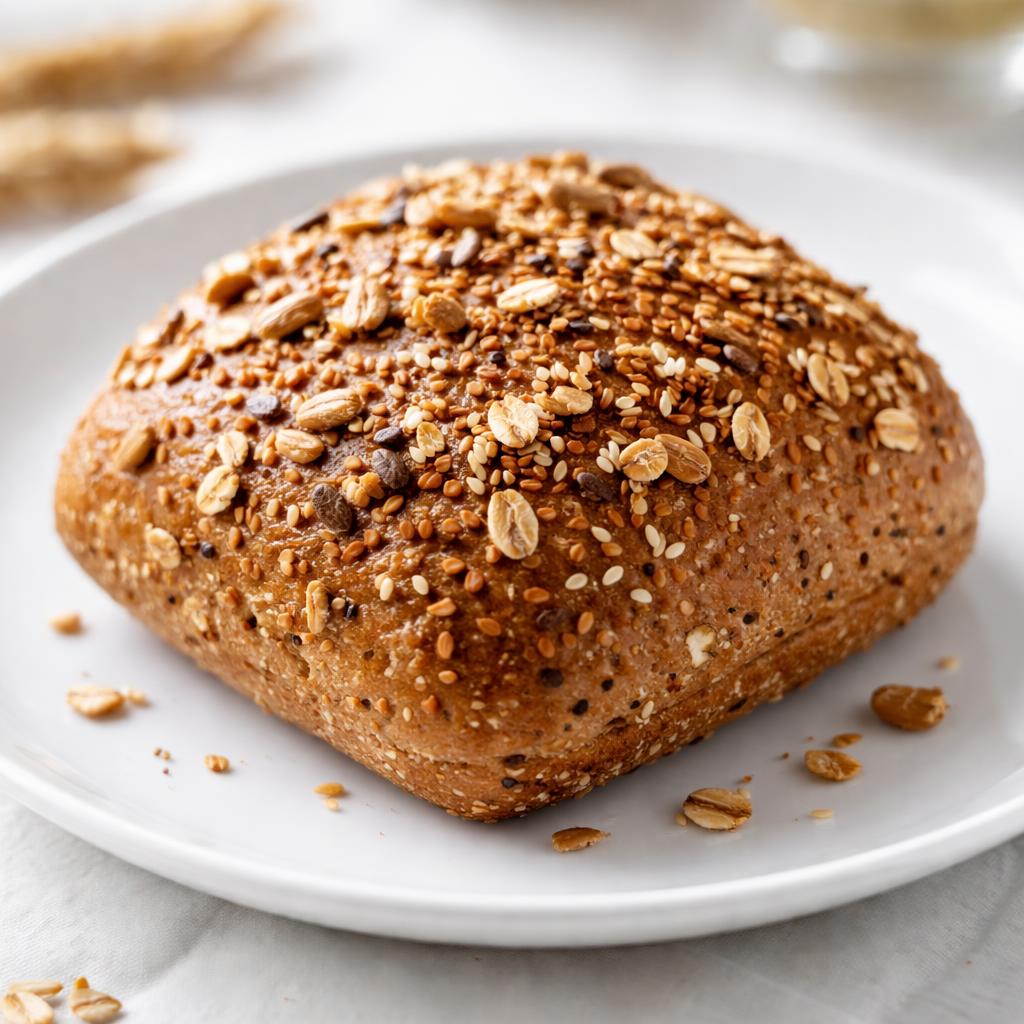
Whole Grain Bread Roll
🎯 Quick Verdict
Whole grain bread rolls excel in nutritional density, with higher protein, fiber, and fewer calories compared to banana bread, which is more carbohydrate-heavy. Banana bread is better suited for energy-dense snacks or desserts, while whole grain bread rolls are ideal for balanced meals and fitness-focused diets.

Smart Nutrition Tracking with SnapCalorie

📊 Nutritional Comparison
Macronutrients
| Nutrient | Food 1 | Food 2 | Winner |
|---|---|---|---|
| Calories | 260 | 200 | ✓ |
| Protein | 4g | 8g | ✓ |
| Carbs | 40g | 30g | ✓ |
| Fat | 10g | 6g | ✓ |
| Fiber | 2g | 4g | ✓ |
Vitamins & Minerals
| Nutrient | Food 1 | Food 2 | Winner |
|---|---|---|---|
| Vitamin D | 0mcg | 0mcg | − |
| Calcium | 10mg | 40mg | ✓ |
| Iron | 0.3mg | 1.5mg | ✓ |
🏆 Category Winners
Protein
Whole grain bread roll has twice the amount of protein per serving compared to banana bread.
Fiber
Whole grain bread roll provides twice the fiber content per serving.
Calories
Whole grain bread roll contains 23% fewer calories per serving than banana bread.
🥗 Diet Compatibility
Keto
Food 1: Not Compatible
Food 2: Not Compatible
Both foods are high in carbohydrates and not recommended for keto diets.
Vegan
Food 1: Compatible
Food 2: Compatible
Both foods can be made vegan, depending on recipes used (e.g., egg-free banana bread).
Gluten Free
Food 1: Not Compatible
Food 2: Not Compatible
Both contain gluten as they are wheat-based products.
Paleo
Food 1: Not Compatible
Food 2: Not Compatible
Both contain grains and sugar not permitted on paleo diets.
Low Carb
Food 1: Not Compatible
Food 2: Not Compatible
Both have significant carbohydrate content above low-carb thresholds.
💪 Health Benefits Comparison
Food 1 Benefits
- Provides quick energy due to high carbohydrate content
- Contains potassium (from bananas) for muscle and heart health
- Can be a comforting, convenient snack or dessert
Food 2 Benefits
- Rich in fiber for better digestion and satiety
- High in protein, supporting muscle maintenance
- Contains whole grains, promoting heart health
✅ The Bottom Line
Choose banana bread for an energy-dense snack or dessert, especially if you’re looking for a homemade treat with natural sweetness. Opt for whole grain bread rolls for balanced meals, higher protein, and sustained energy, great for overall health and fitness goals.
Choose Food 1 for: Energy boost, snacks, dessert options
Choose Food 2 for: Balanced meals, high-fiber diets, fitness-focused nutrition


