Banana Bread VS Whole Bread
A detailed nutritional comparison
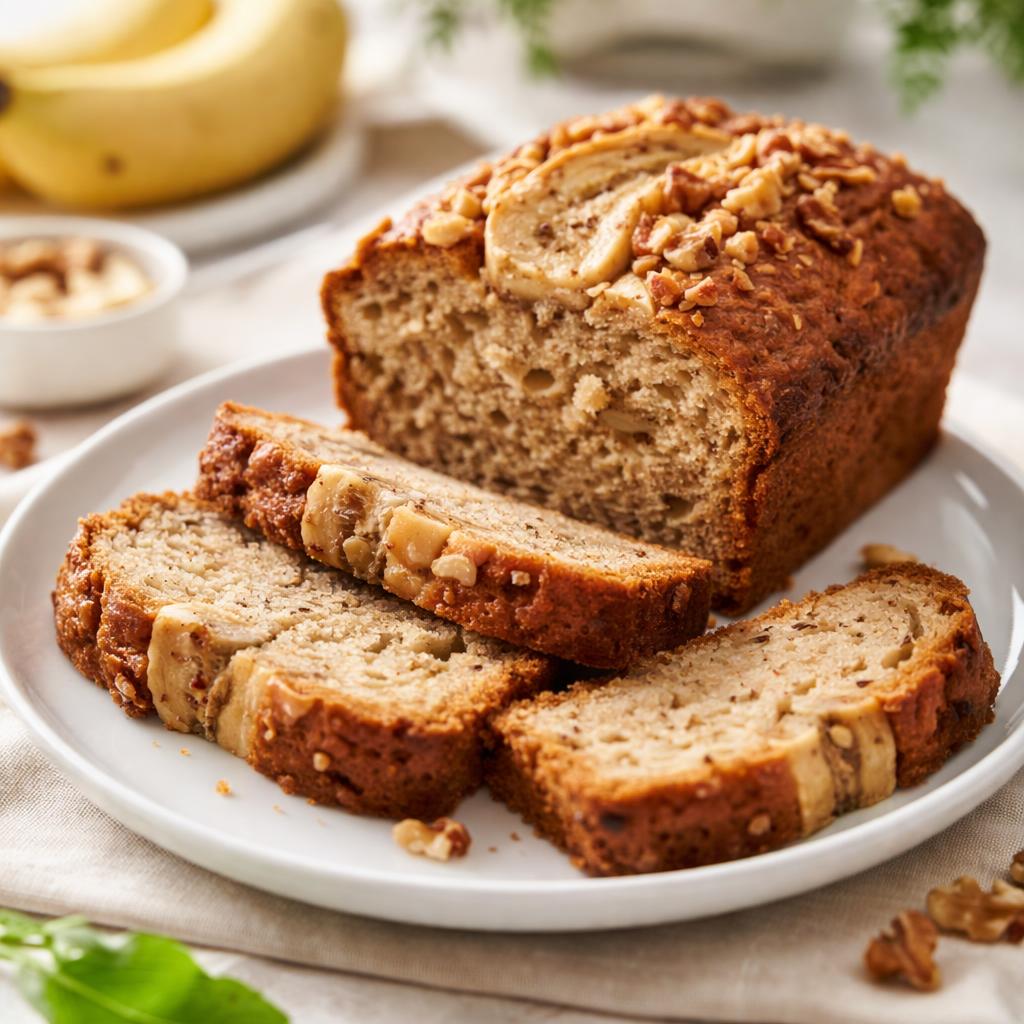
Banana Bread
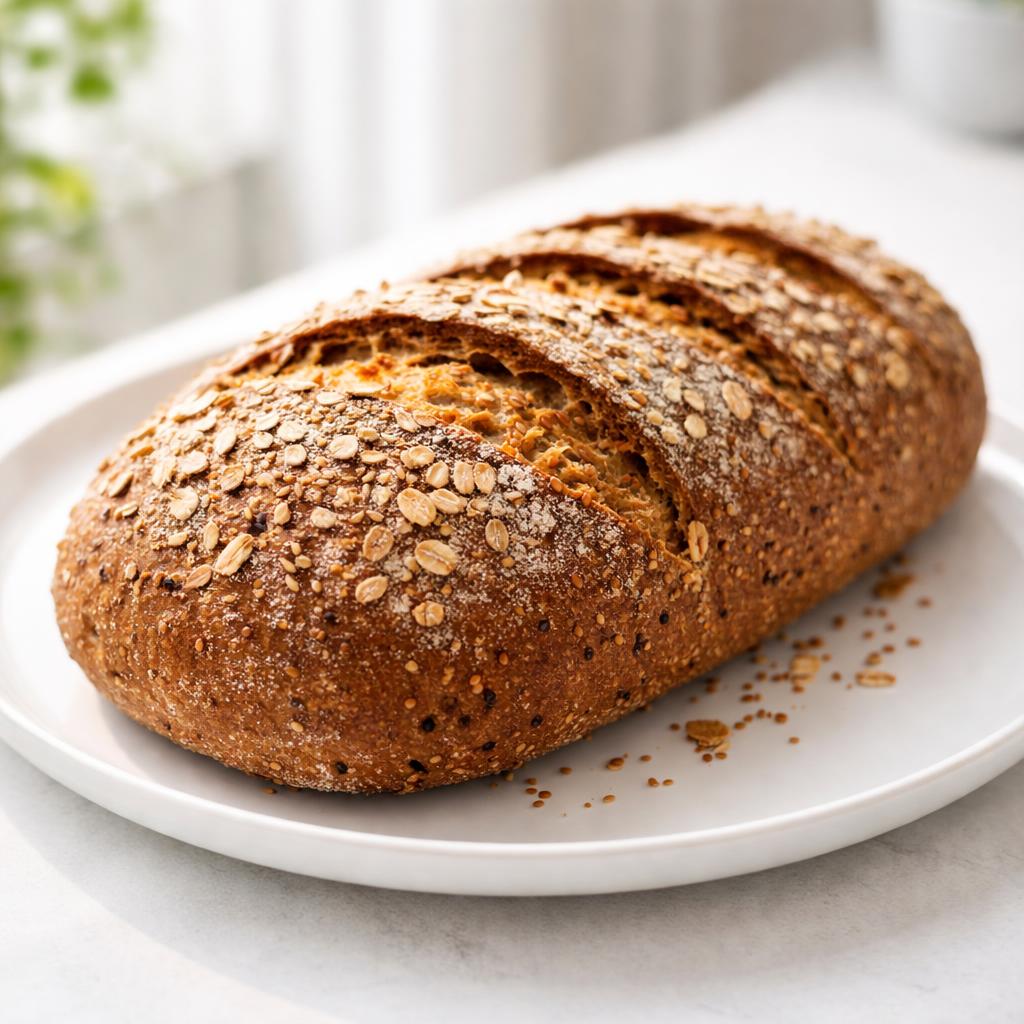
Whole Bread
🎯 Quick Verdict
Whole bread offers slightly higher protein, fiber, and nutrient density, making it an overall healthier choice for daily consumption and balanced diets. Banana bread, while higher in calories and sugars, is a good option for a quick energy boost or as a treat due to its sweetness and palatability.

Smart Nutrition Tracking with SnapCalorie

📊 Nutritional Comparison
Macronutrients
| Nutrient | Food 1 | Food 2 | Winner |
|---|---|---|---|
| Calories | 200 per slice | 200 per slice | − |
| Protein | 3g | 5g | − |
| Carbs | 33g | 20g | − |
| Fat | 8g | 2g | − |
| Fiber | 2g | 3g | − |
Vitamins & Minerals
| Nutrient | Food 1 | Food 2 | Winner |
|---|---|---|---|
| Vitamin D | 0mcg | 0mcg | − |
| Calcium | 20mg | 30mg | − |
| Iron | 0.8mg | 1mg | − |
| Vitamin B6 | 0.2mg | 0.1mg | − |
🏆 Category Winners
Protein
Whole bread contains 66% more protein per slice compared to banana bread.
Fiber
Whole bread offers 50% more fiber, aiding digestion.
Calories
Both have the same number of calories per slice, approximately 200.
Vitamins
Banana bread provides more vitamin B6, useful for brain and immune health.
🥗 Diet Compatibility
Keto
Food 1: Not Compatible
Food 2: Not Compatible
Both are high in carbs.
Vegan
Food 1: Depends
Food 2: Compatible
Banana bread contains eggs in most recipes, while whole bread is often vegan.
Gluten Free
Food 1: Not Compatible
Food 2: Not Compatible
Both contain gluten unless made with alternative flours.
Paleo
Food 1: Not Compatible
Food 2: Not Compatible
Neither aligns with paleo principles due to processed grains.
Low-Carb
Food 1: Not Compatible
Food 2: Not Compatible
Both have high carbohydrate content.
💪 Health Benefits Comparison
Food 1 Benefits
- Provides quick energy from carbs and sugars
- Contains vitamin B6 for brain and immune health
- Good source of flavor and satisfaction for a treat
Food 2 Benefits
- High in fiber for improved digestion
- Contains more protein for muscle maintenance
- Rich in essential minerals (iron and calcium) for bone and blood health
✅ The Bottom Line
Whole bread is the better choice nutritionally, offering more fiber, protein, and essential minerals. Banana bread is suitable for indulgence or quick energy but is less nutrient-dense overall.
Choose Food 1 for: Occasional treat, energy boost, dessert
Choose Food 2 for: Daily nutrition, balanced meals, weight management


