Banana Bread VS Wheat Bread
A detailed nutritional comparison
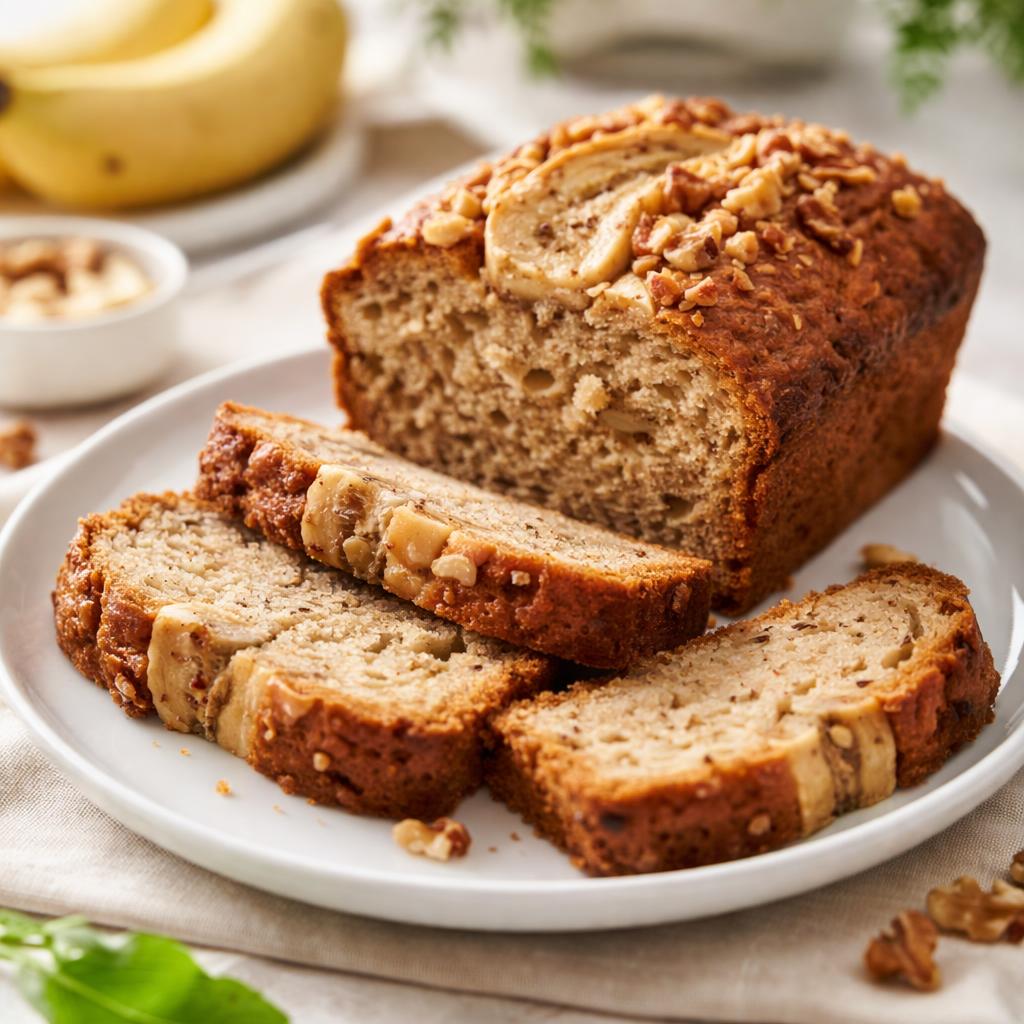
Banana Bread
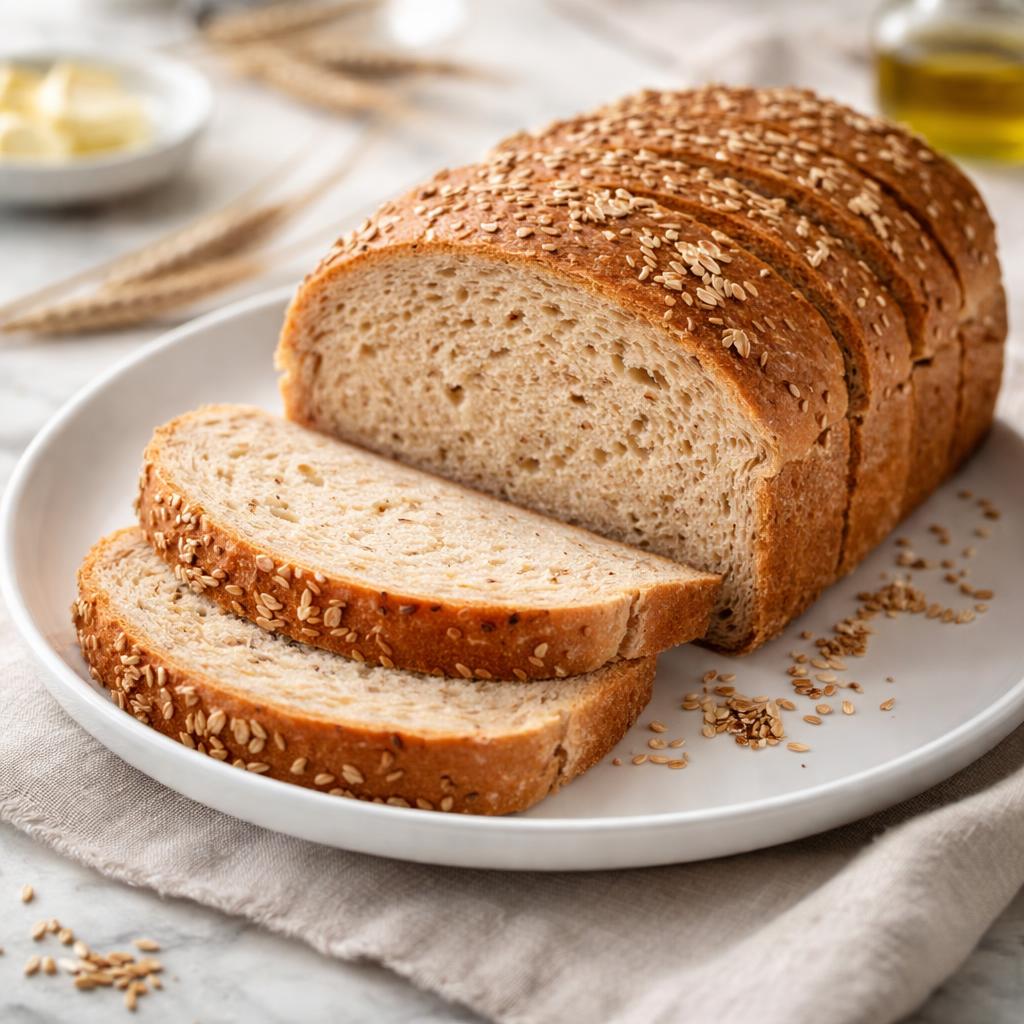
Wheat Bread
🎯 Quick Verdict
Wheat bread is the better choice for a calorie-conscious, high-fiber, and high-protein diet. While banana bread is higher in sugar and calories, its sweeter taste and nutrient density make it a treat. Banana bread is more suitable for occasional enjoyment, while wheat bread is a regular dietary staple for health-conscious individuals.

Smart Nutrition Tracking with SnapCalorie

📊 Nutritional Comparison
Macronutrients
| Nutrient | Food 1 | Food 2 | Winner |
|---|---|---|---|
| Calories | 196 per slice | 79 per slice | − |
| Protein | 3g | 4g | − |
| Carbs | 32g | 15g | − |
| Fat | 6g | 1g | − |
| Fiber | 1g | 2g | − |
Vitamins & Minerals
| Nutrient | Food 1 | Food 2 | Winner |
|---|---|---|---|
| Vitamin B6 | 0.2mg | 0.1mg | − |
| Calcium | 22mg | 30mg | − |
| Iron | 0.6mg | 0.7mg | − |
| Potassium | 100mg | 76mg | − |
🏆 Category Winners
Protein
Wheat bread contains 33% more protein per serving.
Fiber
Wheat bread provides double the fiber content.
Calories
Wheat bread has 60% fewer calories per slice.
Vitamins
Banana bread is richer in specific nutrients like vitamin B6 and potassium.
🥗 Diet Compatibility
Keto
Food 1: Not Compatible
Food 2: Not Compatible
Both are high-carb foods.
Vegan
Food 1: Only if prepared vegan
Food 2: Compatible
Wheat bread is typically vegan, but banana bread often contains eggs and butter.
Gluten Free
Food 1: Not Compatible
Food 2: Not Compatible
Both foods contain gluten.
Paleo
Food 1: Not Compatible
Food 2: Not Compatible
Both foods use grains and are unsuitable for a paleo diet.
Low-Carb
Food 1: Not Compatible
Food 2: Not Compatible
Both foods exceed the carbohydrate limits of low-carb diets.
💪 Health Benefits Comparison
Food 1 Benefits
- Provides potassium for muscle and nerve function
- Contains vitamin B6 for energy metabolism
- Offers natural sweetness without additional sugars when made traditionally
Food 2 Benefits
- Rich in fiber for better digestion
- Higher protein content supports muscle maintenance
- Lower in calories for weight management
✅ The Bottom Line
Choose wheat bread for everyday balanced nutrition, weight management, and digestive health. Opt for banana bread as a sweet indulgent treat with some added nutritional value from potassium and vitamin B6.
Choose Food 1 for: Snacks, occasional treats, baking enthusiasts
Choose Food 2 for: General meals, weight management, lunch sandwiches


