Banana Bread VS Walnut Bread
A detailed nutritional comparison
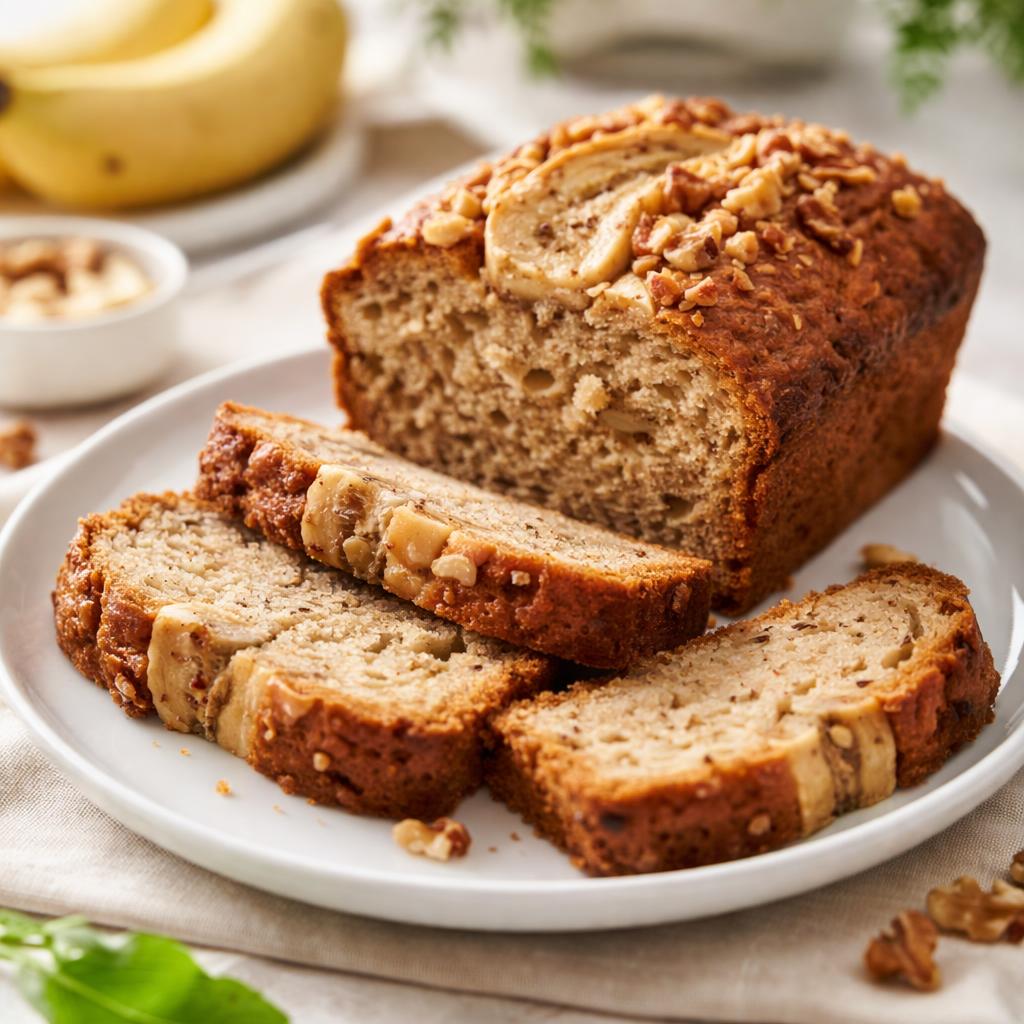
Banana Bread
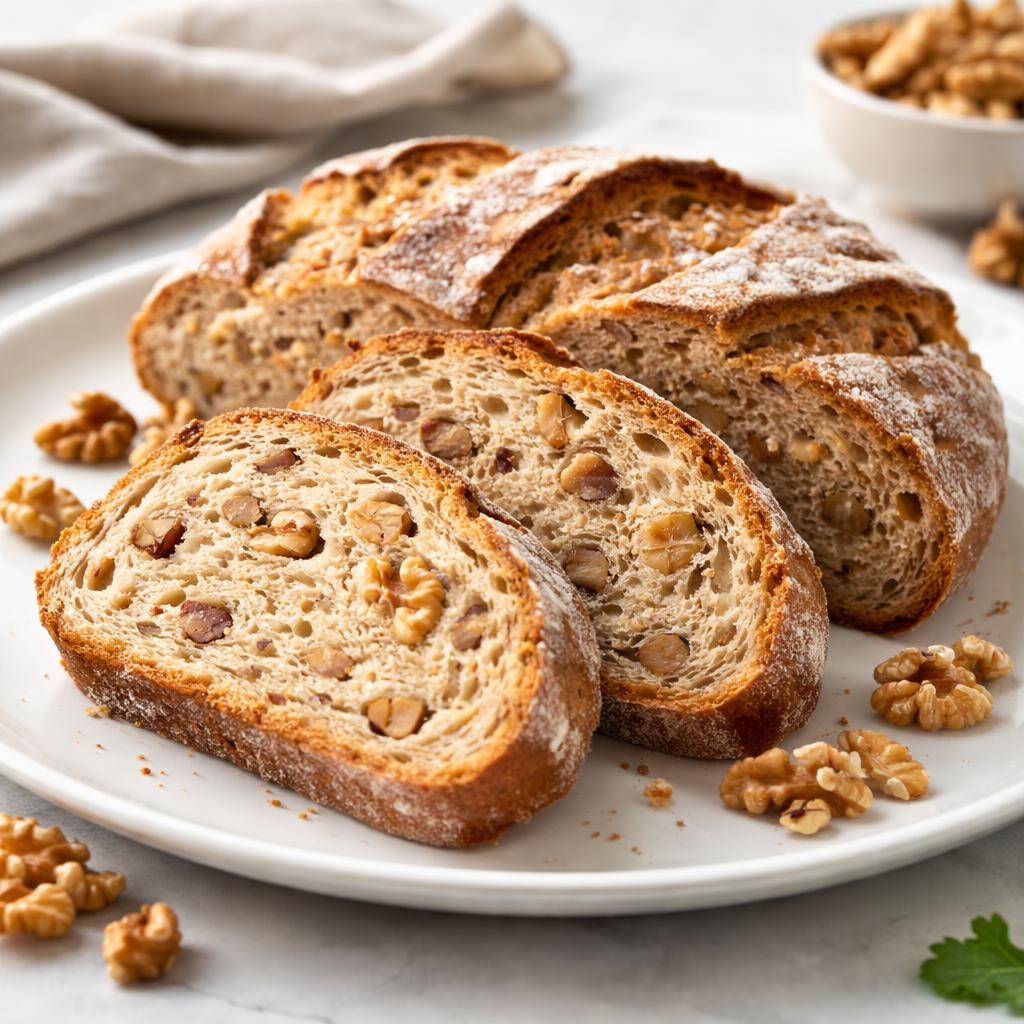
Walnut Bread
🎯 Quick Verdict
Banana bread tends to be lower in calories and fat, making it suitable for lighter snacks, while walnut bread is a better source of both protein and fiber, ideal for improving satiety and digestive health. Each bread has distinct nutritional attributes that cater to different dietary goals and preferences.

Smart Nutrition Tracking with SnapCalorie

📊 Nutritional Comparison
Macronutrients
| Nutrient | Food 1 | Food 2 | Winner |
|---|---|---|---|
| Calories | 196 | 253 | ✓ |
| Protein | 3g | 6g | ✓ |
| Carbs | 33g | 22g | ✓ |
| Fat | 5g | 12g | ✓ |
| Fiber | 1g | 3g | ✓ |
Vitamins & Minerals
| Nutrient | Food 1 | Food 2 | Winner |
|---|---|---|---|
| Vitamin D | 0mcg | 0mcg | − |
| Calcium | 10mg | 15mg | ✓ |
| Iron | 1mg | 2mg | ✓ |
🏆 Category Winners
Protein
Walnut bread contains double the protein compared to banana bread.
Fiber
Walnut bread has triple the fiber content.
Calories
Banana bread has approximately 22% fewer calories per serving compared to walnut bread.
Vitamins
Walnut bread provides more calcium and iron overall.
🥗 Diet Compatibility
Keto
Food 1: Not Compatible
Food 2: Not Compatible
Both are high in carbs and not suitable for strict keto diets.
Vegan
Food 1: Compatible if made without eggs/dairy
Food 2: Compatible if made without eggs/dairy
Both can be adjusted to fit vegan diets depending on preparation.
Gluten Free
Food 1: Not Compatible
Food 2: Not Compatible
Both contain gluten unless made with a gluten-free flour alternative.
Paleo
Food 1: Not Compatible
Food 2: Not Compatible
Neither fits strict paleo guidelines due to grains and sugars.
Low-Carb
Food 1: Not Compatible
Food 2: Partially Compatible
Walnut bread is lower in carbs compared to banana bread but still not low enough for low-carb diets.
💪 Health Benefits Comparison
Food 1 Benefits
- Lower in calories, suitable for weight management snacks.
- Provides quick energy with natural sugars from bananas.
- May include potassium from bananas for heart health.
Food 2 Benefits
- Rich in healthy fats from walnuts, beneficial for brain function.
- High in fiber for better digestive health.
- Provides essential minerals such as iron and calcium for bone health.
✅ The Bottom Line
Banana bread is a lighter, more carbohydrate-focused option best suited for quick energy snacks and those watching calories, while walnut bread delivers higher protein, fiber, and healthy fats, making it ideal for sustained energy and satiety. Choose banana bread for a sweet treat and walnut bread for a more nutrient-dense option.
Choose Food 1 for: Weight management, sweet snacks, immediate energy
Choose Food 2 for: Muscle repair, digestive health, nutrient density


