Banana Bread VS Sourdough Bread
A detailed nutritional comparison
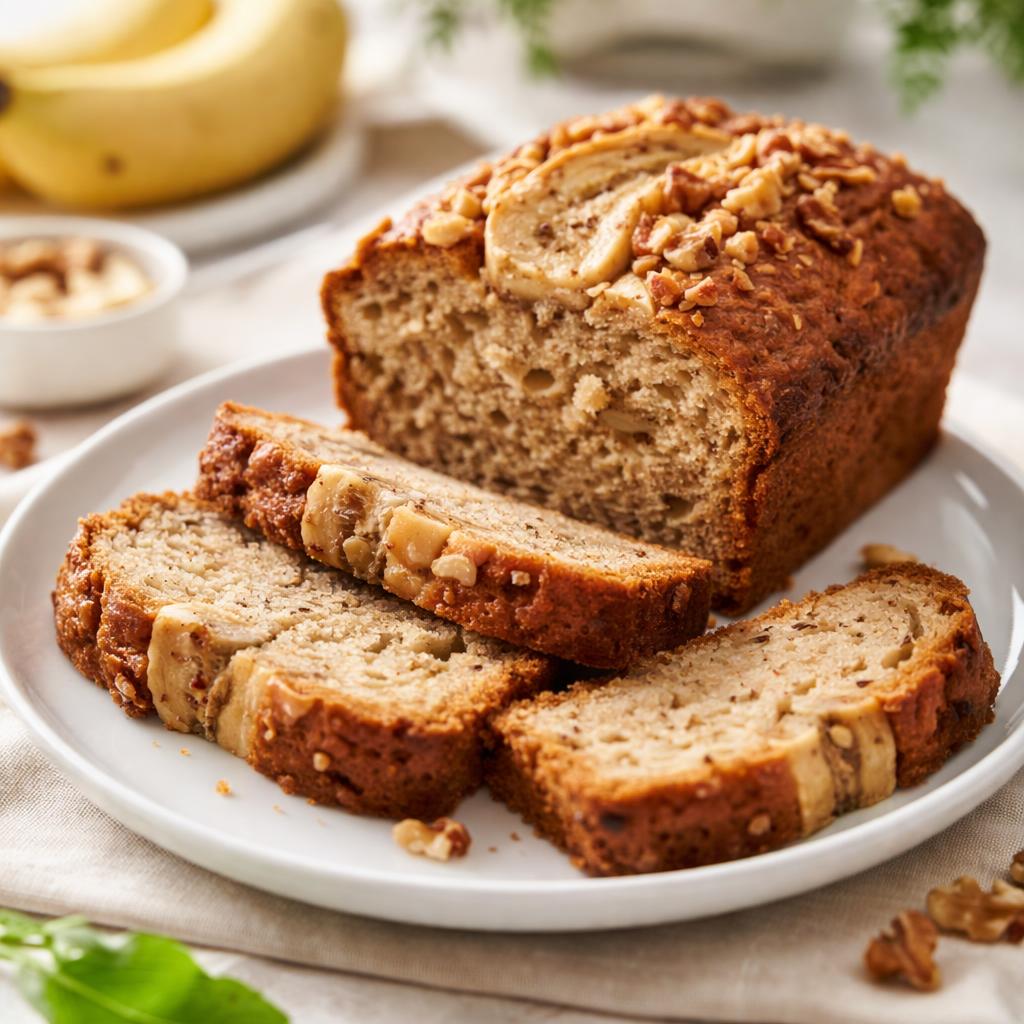
Banana Bread
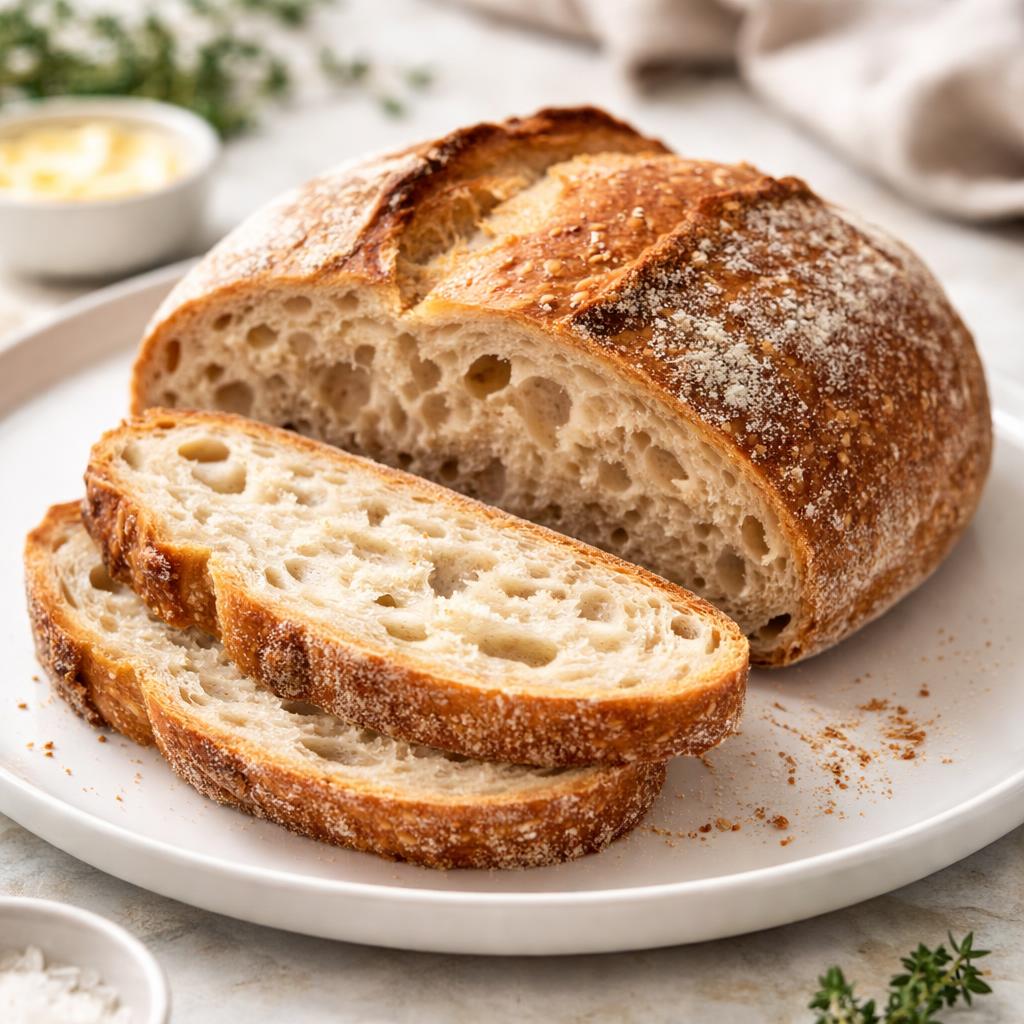
Sourdough Bread
🎯 Quick Verdict
Sourdough bread generally offers fewer calories, more protein, and higher fiber content compared to banana bread. While banana bread is sweeter and provides quick energy, sourdough bread is more balanced and suitable for those looking for nutrient density and sustainability in their meals.

Smart Nutrition Tracking with SnapCalorie

📊 Nutritional Comparison
Macronutrients
| Nutrient | Food 1 | Food 2 | Winner |
|---|---|---|---|
| Calories | 250 | 160 | ✓ |
| Protein | 4g | 8g | ✓ |
| Carbs | 38g | 32g | ✓ |
| Fat | 10g | 1g | ✓ |
| Fiber | 2g | 3g | ✓ |
Vitamins & Minerals
| Nutrient | Food 1 | Food 2 | Winner |
|---|---|---|---|
| Vitamin B6 | 5mg | 1mg | ✓ |
| Calcium | 20mg | 15mg | ✓ |
| Iron | 1.1mg | 1.5mg | ✓ |
🏆 Category Winners
Protein
Sourdough bread contains twice the amount of protein per serving.
Fiber
Sourdough bread has 50% more fiber than banana bread.
Calories
Sourdough bread has 36% fewer calories.
Vitamins
Banana bread provides significantly more vitamin B6 and calcium.
🥗 Diet Compatibility
Keto
Food 1: Not Compatible
Food 2: Not Compatible
Both are high in carbs.
Vegan
Food 1: Not Compatible
Food 2: Depends
Banana bread often contains eggs; sourdough can vary based on recipe.
Gluten Free
Food 1: Not Compatible
Food 2: Not Compatible
Both are made with gluten-containing flour.
Paleo
Food 1: Not Compatible
Food 2: Not Compatible
Neither are paleo-friendly due to grains and sweeteners.
Low-Carb
Food 1: Not Compatible
Food 2: Not Compatible
Both exceed typical low-carb thresholds of 20-30 grams of carbs per serving.
💪 Health Benefits Comparison
Food 1 Benefits
- Rich in vitamin B6 important for brain function
- Contains potassium for heart health
- Provides moderate energy from natural sugars
Food 2 Benefits
- Good source of protein for muscle repair
- Contains fiber to support digestion
- Lower calorie option for weight management
✅ The Bottom Line
Banana bread is a good choice for quick energy and a sweeter treat, while sourdough bread is better for those focused on lower calories and nutrient density. Consider the intended purpose of your meal when choosing between the two options.
Choose Food 1 for: Desserts, quick energy snacks, sweet cravings
Choose Food 2 for: Sandwiches, weight management, balanced meals


