Banana Bread VS Sliced Bread
A detailed nutritional comparison
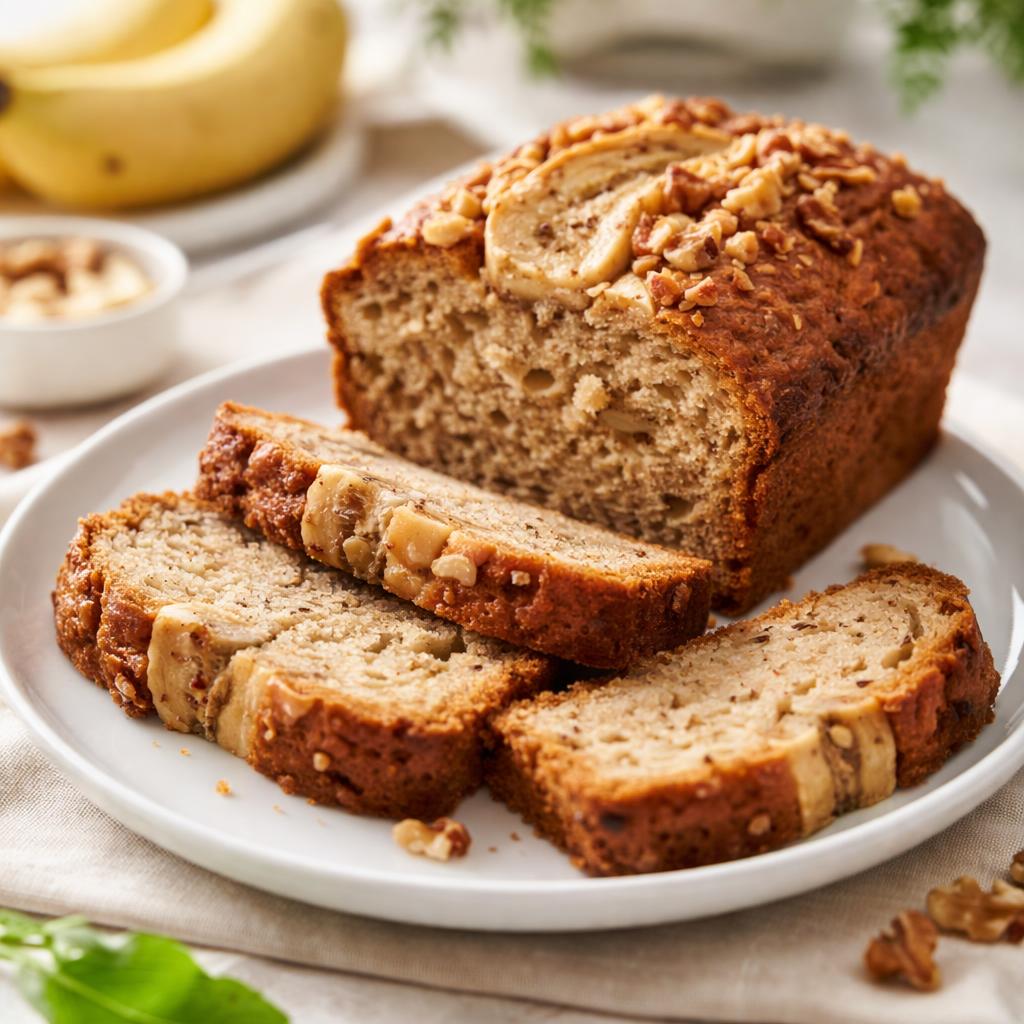
Banana Bread
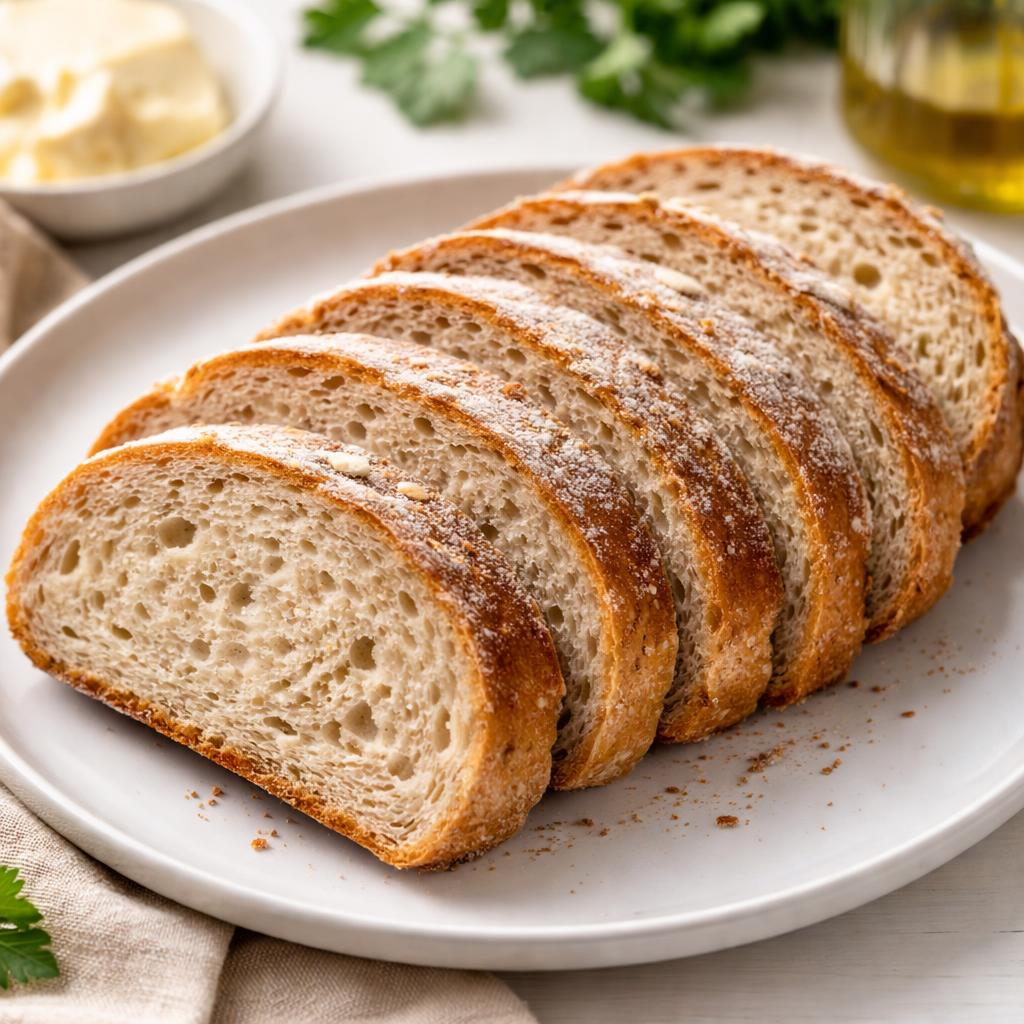
Sliced Bread
🎯 Quick Verdict
Sliced bread is overall lower in calories and higher in fiber, making it a more diet-friendly option compared to banana bread, which is denser and higher in sugar. Banana bread provides more energy and flavor, making it better suited for active days or as a sweet snack option.

Smart Nutrition Tracking with SnapCalorie

📊 Nutritional Comparison
Macronutrients
| Nutrient | Food 1 | Food 2 | Winner |
|---|---|---|---|
| Calories | 200 per slice | 70 per slice | ✓ |
| Protein | 3g | 3g | − |
| Carbs | 30g | 13g | ✓ |
| Fat | 7g | 1g | ✓ |
| Fiber | 1g | 2g | ✓ |
Vitamins & Minerals
| Nutrient | Food 1 | Food 2 | Winner |
|---|---|---|---|
| Vitamin D | 0mcg | 0mcg | − |
| Calcium | 20mg | 100mg | ✓ |
| Iron | 1mg | 0.5mg | ✓ |
🏆 Category Winners
Protein
Both banana bread and sliced bread contain roughly the same amount of protein per serving (3g).
Fiber
Sliced bread delivers twice as much fiber compared to banana bread per slice.
Calories
Sliced bread has 65% fewer calories per slice than banana bread, making it better for calorie-conscious diets.
🥗 Diet Compatibility
Keto
Food 1: Not Compatible
Food 2: Not Compatible
Both foods are high in carbohydrates.
Vegan
Food 1: Compatible (if made without eggs or dairy)
Food 2: Compatible
Banana bread requires careful preparation, while sliced bread is mostly vegan-friendly.
Gluten Free
Food 1: Not Compatible
Food 2: Not Compatible
Both contain wheat unless using gluten-free versions.
Paleo
Food 1: Not Compatible
Food 2: Not Compatible
Neither food aligns with paleo dietary guidelines due to grain and sugar content.
Low-Carb
Food 1: Not Compatible
Food 2: Not Compatible
Both are too high in carbs for strict low-carb diets.
💪 Health Benefits Comparison
Food 1 Benefits
- Provides quick energy from carbohydrates
- Can be a good choice for endurance athletes
- Contains potassium from bananas to support heart health
Food 2 Benefits
- Low in fat, supporting heart health
- Higher fiber content aids digestion
- Calcium fortification supports bone health
✅ The Bottom Line
Sliced bread is the better option for calorie control and higher fiber diets, while banana bread is ideal for those seeking a flavorful, energy-rich snack. Banana bread works best for active individuals or satisfying sweet cravings, while sliced bread is versatile for sandwiches or lighter meals.
Choose Food 1 for: Sweet snacks, pre-workout energy, occasional treats
Choose Food 2 for: Weight management, everyday meals, fiber-rich diets


