Banana Bread VS Raw Rice
A detailed nutritional comparison
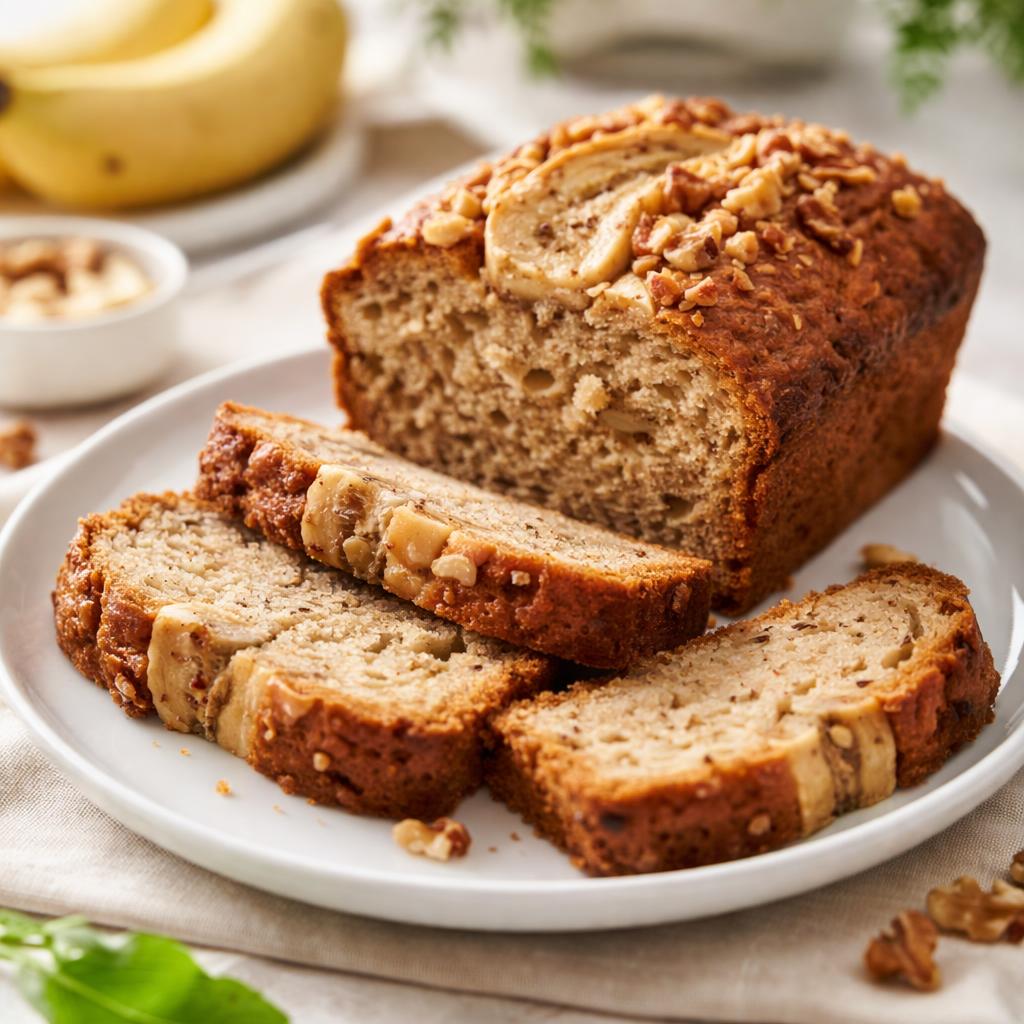
Banana Bread
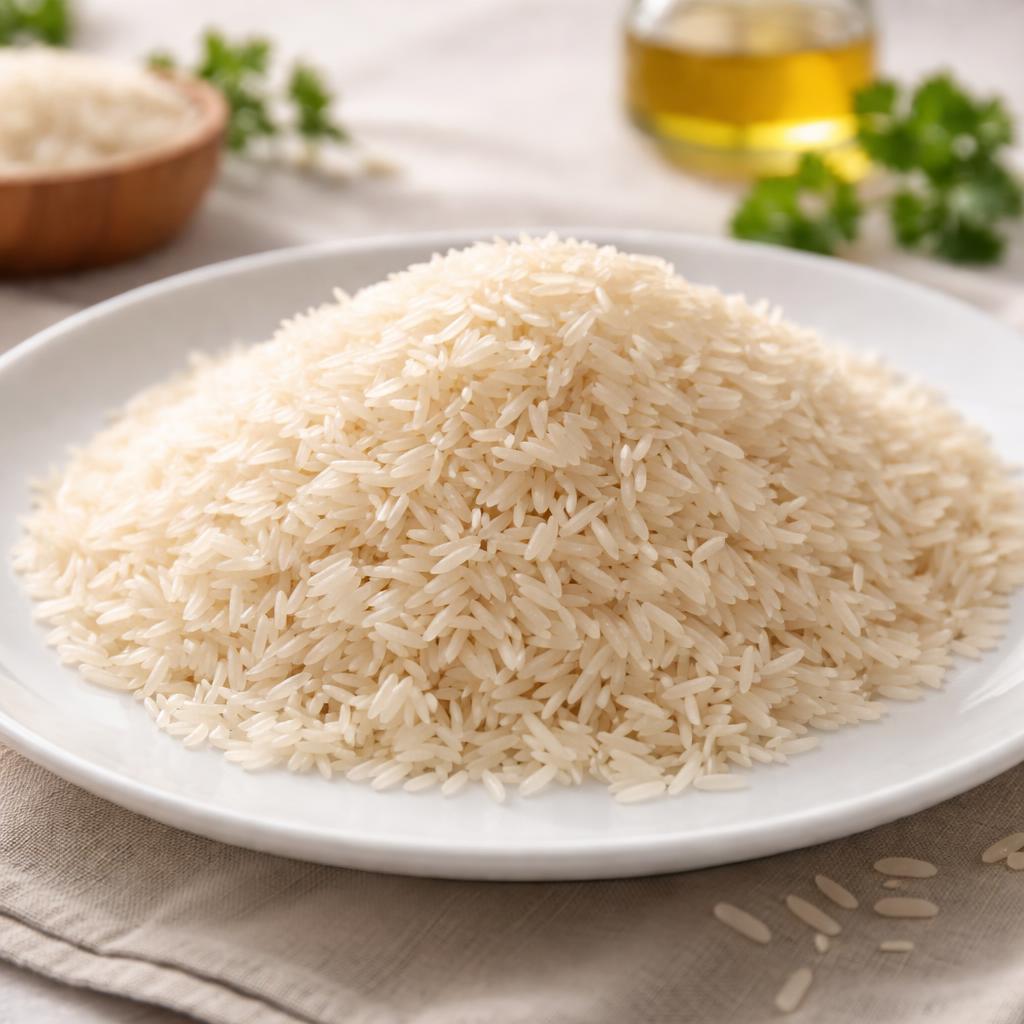
Raw Rice
🎯 Quick Verdict
Banana bread provides more fiber (2g vs. 0g per serving) and is a convenient, ready-to-eat snack with moderate protein content, while raw rice excels in caloric density (370 calories vs. 250 calories per 100g) and serves as a versatile carbohydrate source. Banana bread is better for balanced snacking, and rice is ideal for energy-dense meals or recipes.

Smart Nutrition Tracking with SnapCalorie

📊 Nutritional Comparison
Macronutrients
| Nutrient | Food 1 | Food 2 | Winner |
|---|---|---|---|
| Calories | 250 | 370 | ✓ |
| Protein | 5g | 5g | − |
| Carbs | 40g | 82g | ✓ |
| Fat | 7g | 1g | ✓ |
| Fiber | 2g | 0g | ✓ |
Vitamins & Minerals
| Nutrient | Food 1 | Food 2 | Winner |
|---|---|---|---|
| Vitamin D | 0mcg | 0mcg | − |
| Calcium | 50mg | 10mg | ✓ |
| Iron | 1mg | 0.2mg | ✓ |
🏆 Category Winners
Protein
Both foods provide the same moderate amount of protein (5g per 100g).
Fiber
Banana bread contains 2g of fiber, while raw rice provides no dietary fiber.
Calories
Raw rice is more calorically dense with 370 calories per 100g compared to banana bread’s 250 calories per 100g.
🥗 Diet Compatibility
Keto
Food 1: Not Compatible
Food 2: Not Compatible
Both foods are high in carbohydrates.
Vegan
Food 1: Depends on recipe
Food 2: Compatible
Banana bread may contain eggs, while raw rice is naturally vegan.
Gluten Free
Food 1: Depends on recipe
Food 2: Compatible
Banana bread might use flour with gluten, unless gluten-free flour is used.
Paleo
Food 1: Not Compatible
Food 2: Not Compatible
Neither food adheres to paleo guidelines due to processed grains and sugars.
Low-Carb
Food 1: Not Compatible
Food 2: Not Compatible
Both are carbohydrate-dense, exceeding low-carb limits.
💪 Health Benefits Comparison
Food 1 Benefits
- Provides fiber for digestion and gut health
- Contains moderate protein to support muscle maintenance
- Offers quick energy due to carbohydrate content
- Includes vitamins and minerals like calcium and iron
Food 2 Benefits
- Excellent source of energy through carbohydrates
- Low in fat for heart-healthy diets
- Versatile ingredient for nutrient customization (can pair with vegetables or protein)
- Naturally gluten-free, suitable for sensitive diets
✅ The Bottom Line
Choose banana bread when looking for a balanced, ready-to-eat snack with some fiber and moderate protein. Opt for raw rice when needing a high-energy, versatile carbohydrate to complement larger meals or recipes. Banana bread edges ahead for portability and immediate consumption, whereas rice is better for meal-prep and nutrient-dense dishes.
Choose Food 1 for: Quick snacking, moderate-carb diets, fiber intake
Choose Food 2 for: Energy-dense meals, gluten-free diets, sustained energy


