Banana Bread VS Raisin Bread
A detailed nutritional comparison
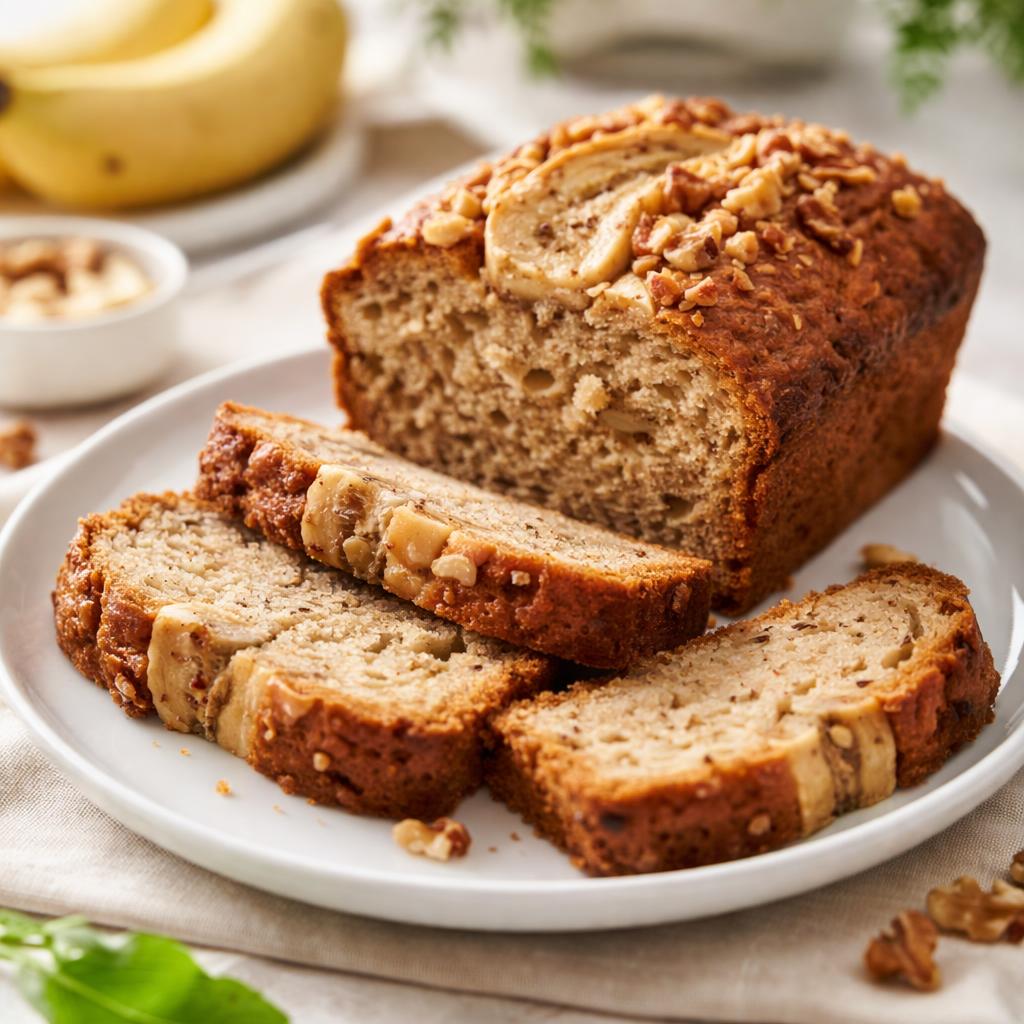
Banana Bread
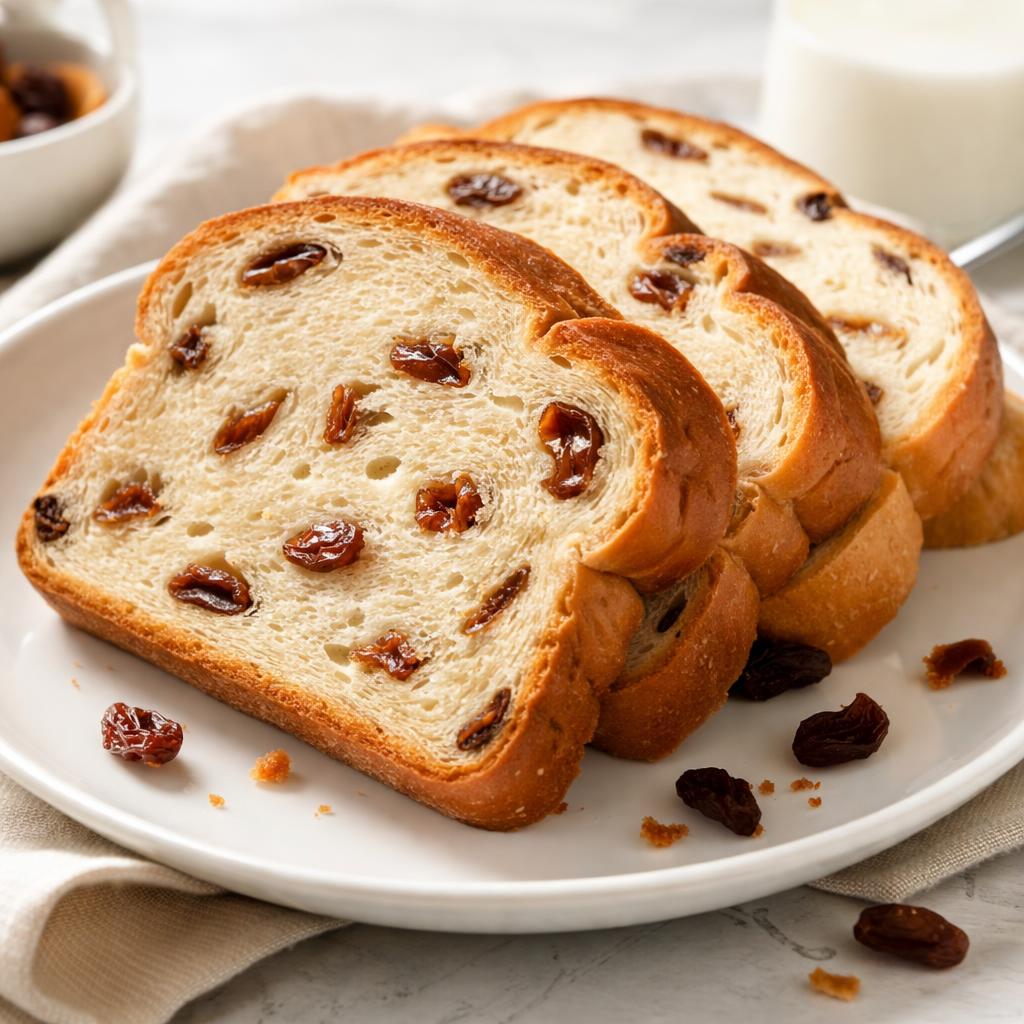
Raisin Bread
🎯 Quick Verdict
Banana bread and raisin bread differ significantly in caloric content, fiber, and protein. Raisin bread is lower in calories, higher in fiber, and slightly higher in protein, making it a better choice for those prioritizing lower calorie and fiber-rich options. Banana bread is denser and more suitable for energy needs, but tends to be higher in sugar and fat due to its preparation style.

Smart Nutrition Tracking with SnapCalorie

📊 Nutritional Comparison
Macronutrients
| Nutrient | Food 1 | Food 2 | Winner |
|---|---|---|---|
| Calories | 220 per slice | 160 per slice | ✓ |
| Protein | 3g | 4g | ✓ |
| Carbs | 30g | 28g | ✓ |
| Fat | 10g | 1g | ✓ |
| Fiber | 2g | 3g | ✓ |
Vitamins & Minerals
| Nutrient | Food 1 | Food 2 | Winner |
|---|---|---|---|
| Vitamin B6 | 0.4mg | 0.1mg | ✓ |
| Vitamin D | 0mcg | 0mcg | − |
| Iron | 1mg | 0.75mg | ✓ |
🏆 Category Winners
Protein
Raisin bread offers 33% more protein per slice.
Fiber
Raisin bread contains 50% more fiber.
Calories
Raisin bread is 27% lower in calories per slice.
🥗 Diet Compatibility
Keto
Food 1: Not Compatible
Food 2: Not Compatible
Both are high-carb breads.
Vegan
Food 1: Compatible if made with dairy-free substitutes
Food 2: Compatible if made with dairy-free ingredients
Both can be adjusted for vegan diets by using plant-based alternatives.
Gluten Free
Food 1: Not Compatible unless a gluten-free version is made
Food 2: Not Compatible unless gluten-free raisin bread is used
Standard recipes contain wheat.
Paleo
Food 1: Not Compatible
Food 2: Not Compatible
Both contain grains forbidden in paleo diets.
Low-Carb
Food 1: Not Compatible
Food 2: Not Compatible
Each slice contains over 25g of carbs.
💪 Health Benefits Comparison
Food 1 Benefits
- Provides quick energy due to high carbohydrate content
- Contains potassium from bananas for muscle function and heart health
- Offers some iron for oxygen transport
Food 2 Benefits
- Rich in dietary fiber for digestive health
- Lower calorie option for weight management
- Provides antioxidants from raisins to combat oxidative stress
✅ The Bottom Line
Raisin bread is the better choice for those seeking lower calories, higher fiber, and protein content. However, banana bread is a more indulgent, energy-dense option, suitable for those needing a calorie boost or a sweet treat. Choose raisin bread for daily snacking or weight management, and banana bread for active lifestyles or dessert occasions.
Choose Food 1 for: High-energy needs, sweet treats, post-exercise recovery
Choose Food 2 for: Weight management, digestive health, antioxidants


