Banana Bread VS Light Bread
A detailed nutritional comparison
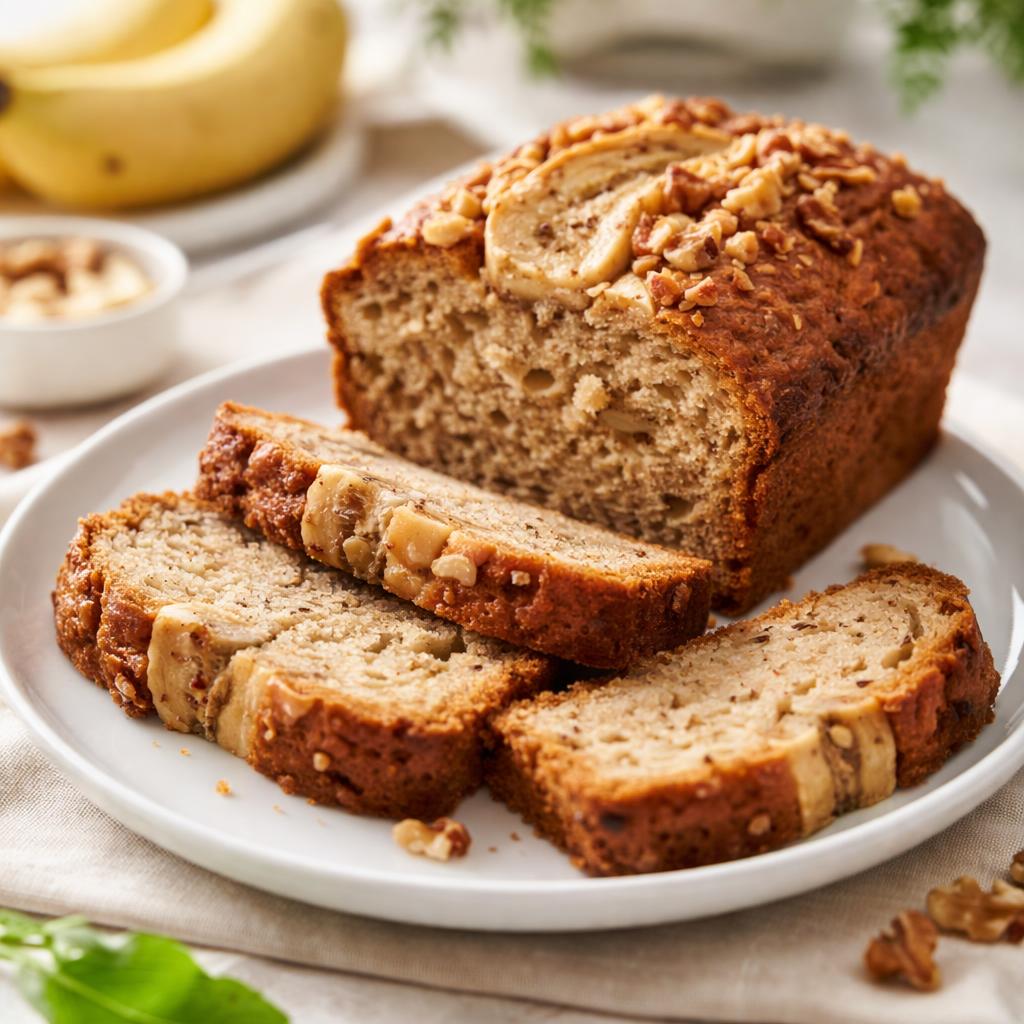
Banana Bread
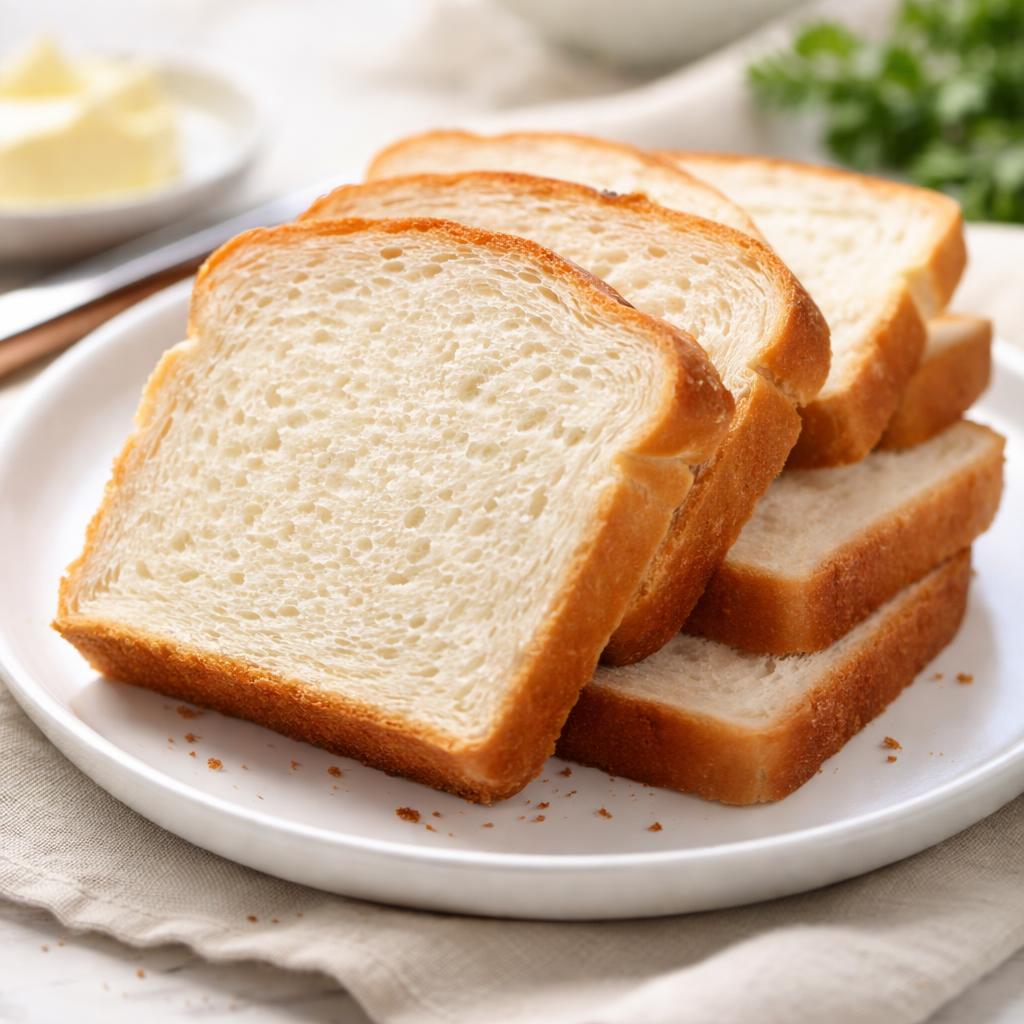
Light Bread
🎯 Quick Verdict
Banana bread is higher in calories and natural sugars, but it also offers more micronutrients like potassium and Vitamin B6. Light bread, on the other hand, provides fewer calories and higher fiber and protein content, making it better suited for weight management or high-protein diets. Banana bread shines as a treat or energy booster, while light bread excels as a daily staple for balanced nutrition.

Smart Nutrition Tracking with SnapCalorie

📊 Nutritional Comparison
Macronutrients
| Nutrient | Food 1 | Food 2 | Winner |
|---|---|---|---|
| Calories | 200 per slice | 80 per slice | ✓ |
| Protein | 3g | 5g | ✓ |
| Carbs | 28g | 15g | ✓ |
| Fat | 7g | 1g | ✓ |
| Fiber | 1g | 3g | ✓ |
Vitamins & Minerals
| Nutrient | Food 1 | Food 2 | Winner |
|---|---|---|---|
| Potassium | 150mg | 50mg | ✓ |
| Vitamin B6 | 0.3mg | 0.1mg | ✓ |
| Iron | 1mg | 0.5mg | ✓ |
🏆 Category Winners
Protein
Light bread contains 66% more protein per slice than banana bread.
Fiber
Light bread has triple the fiber of banana bread.
Calories
Light bread has 60% fewer calories.
Vitamins
Banana bread is richer in potassium, Vitamin B6, and iron.
🥗 Diet Compatibility
Keto
Food 1: Not Compatible
Food 2: Not Compatible
Both are high in carbohydrates.
Vegan
Food 1: Not Compatible
Food 2: Compatible
Banana bread typically contains eggs (unless modified); light bread usually does not.
Gluten Free
Food 1: Not Compatible
Food 2: Not Compatible
Both contain wheat-based flour.
Paleo
Food 1: Not Compatible
Food 2: Not Compatible
Both foods include processed ingredients not compatible with the paleo diet.
Low-Carb
Food 1: Not Compatible
Food 2: Not Compatible
Both have moderate to high carbohydrate content.
💪 Health Benefits Comparison
Food 1 Benefits
- Provides quick energy boost from carbohydrates
- Rich in potassium for heart health and muscle function
- Contains vitamin B6 for brain and metabolism support
Food 2 Benefits
- Lower in calories to support weight management
- Provides higher fiber content for better digestion
- Offers more protein to aid in muscle repair and satiety
✅ The Bottom Line
Banana bread is a better choice if you're looking for a treat or a quick energy boost. Light bread, on the other hand, is ideal for weight management, higher protein intake, and regular use in meals. Consider your dietary goals when choosing between them.
Choose Food 1 for: Energy boost, post-workout recovery, occasional snacks
Choose Food 2 for: Weight management, high-protein diets, daily meals


