Banana Bread VS Cooked Jasmine Rice
A detailed nutritional comparison
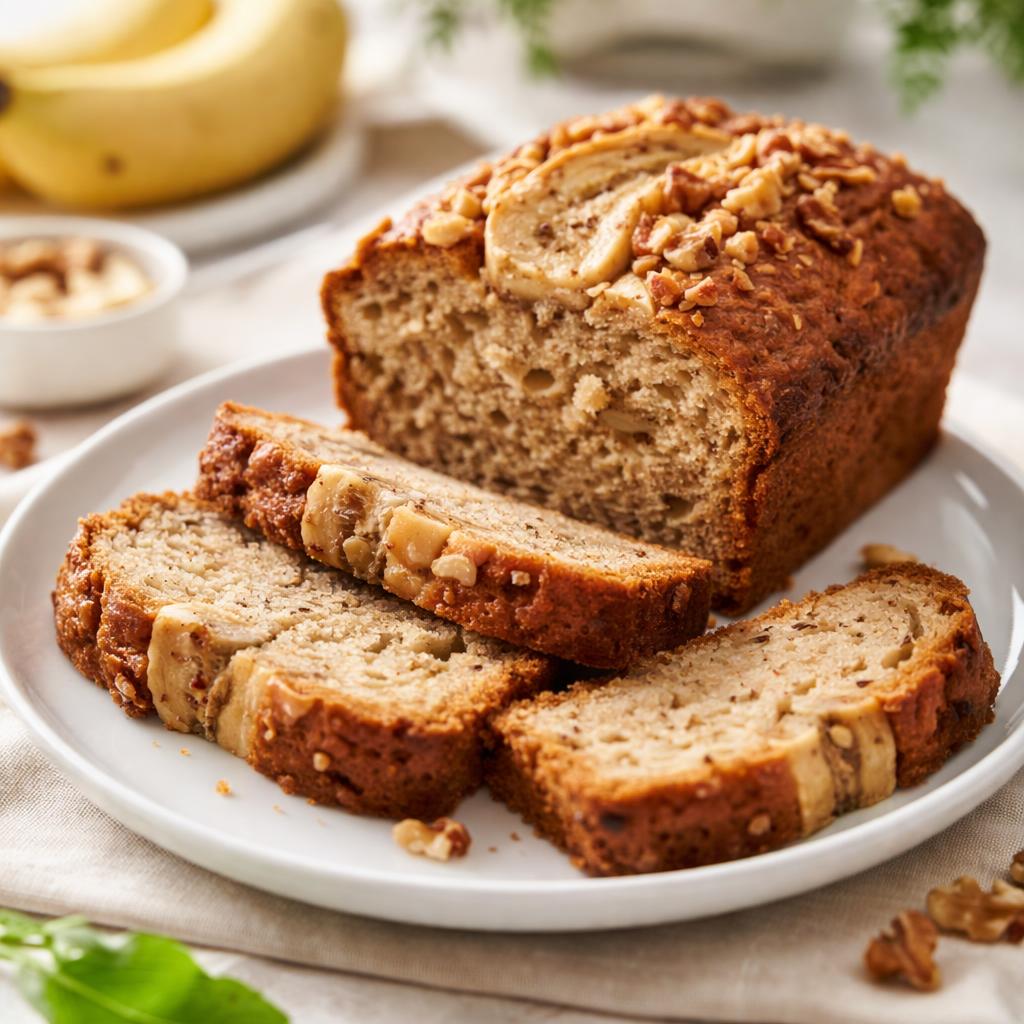
Banana Bread
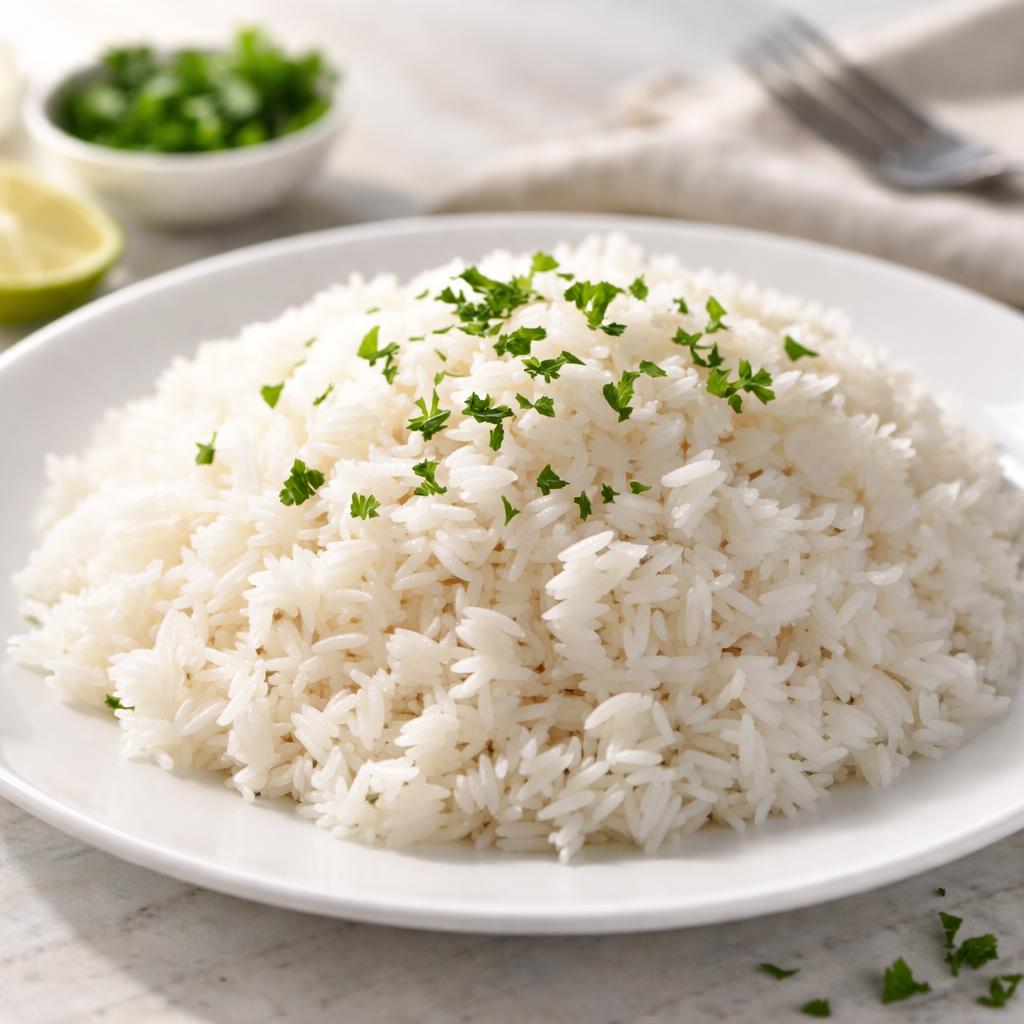
Cooked Jasmine Rice
🎯 Quick Verdict
Banana bread is higher in fiber and vitamins, but jasmine rice is lower in calories and fat. Banana bread works better for those seeking a nutrient-dense snack, while jasmine rice is ideal for lighter meals and energy provision due to its quick-digesting carbs.

Smart Nutrition Tracking with SnapCalorie

📊 Nutritional Comparison
Macronutrients
| Nutrient | Food 1 | Food 2 | Winner |
|---|---|---|---|
| Calories | 196 (per slice, 60g) | 160 (per cup, 140g) | ✓ |
| Protein | 2.7g | 2.7g | − |
| Carbs | 32g | 35g | ✓ |
| Fat | 6g | 0.5g | ✓ |
| Fiber | 1.7g | 0.5g | ✓ |
Vitamins & Minerals
| Nutrient | Food 1 | Food 2 | Winner |
|---|---|---|---|
| Vitamin C | 2mg | 0mg | ✓ |
| Calcium | 10mg | 14mg | ✓ |
| Iron | 1mg | 0.2mg | ✓ |
🏆 Category Winners
Protein
Both foods provide comparable levels of protein (2.7g per serving).
Fiber
Banana bread offers three times the amount of fiber compared to jasmine rice.
Calories
Jasmine rice has 18% fewer calories per serving.
Vitamins
Banana bread contains key vitamins like Vitamin C and iron, which jasmine rice lacks.
🥗 Diet Compatibility
Keto
Food 1: Not Compatible
Food 2: Not Compatible
Both are high in carbs.
Vegan
Food 1: Depends
Food 2: Compatible
Banana bread may contain eggs or dairy, depending on the recipe.
Gluten Free
Food 1: Not Compatible
Food 2: Compatible
Banana bread is made with wheat flour unless specifically gluten-free.
Paleo
Food 1: Not Compatible
Food 2: Not Compatible
Both contain processed ingredients or grains.
Low-Carb
Food 1: Not Compatible
Food 2: Not Compatible
Both are high-carb foods unsuitable for low-carb diets.
💪 Health Benefits Comparison
Food 1 Benefits
- Good source of fiber for digestion and satiety
- Provides Vitamin C for immune function
- Contains iron, beneficial for red blood cell production
Food 2 Benefits
- Low in fat, suitable for heart health
- Provides quick-digesting carbohydrates for energy
- Light on the stomach, ideal for recovery meals
✅ The Bottom Line
Banana bread is a nutrient-rich, fiber-containing snack option ideal for occasional treats and energy. Jasmine rice is a simple, calorie-light carbohydrate source better suited for meals where quick energy or dietary simplicity is required.
Choose Food 1 for: Snacks, nutrient-dense breakfasts, occasional indulgence
Choose Food 2 for: Light meals, post-workout energy, pairing with protein-rich dishes


