Banana Bread VS Brown Bread
A detailed nutritional comparison
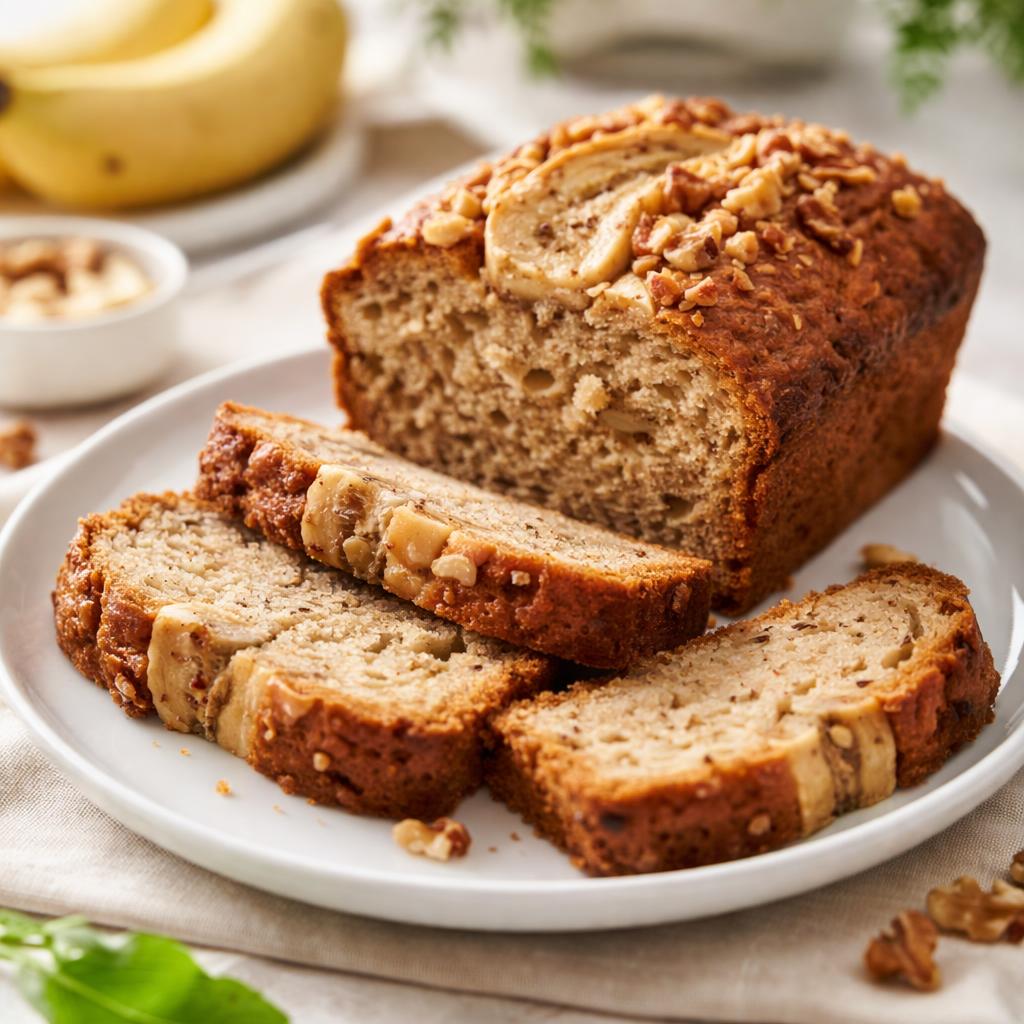
Banana Bread
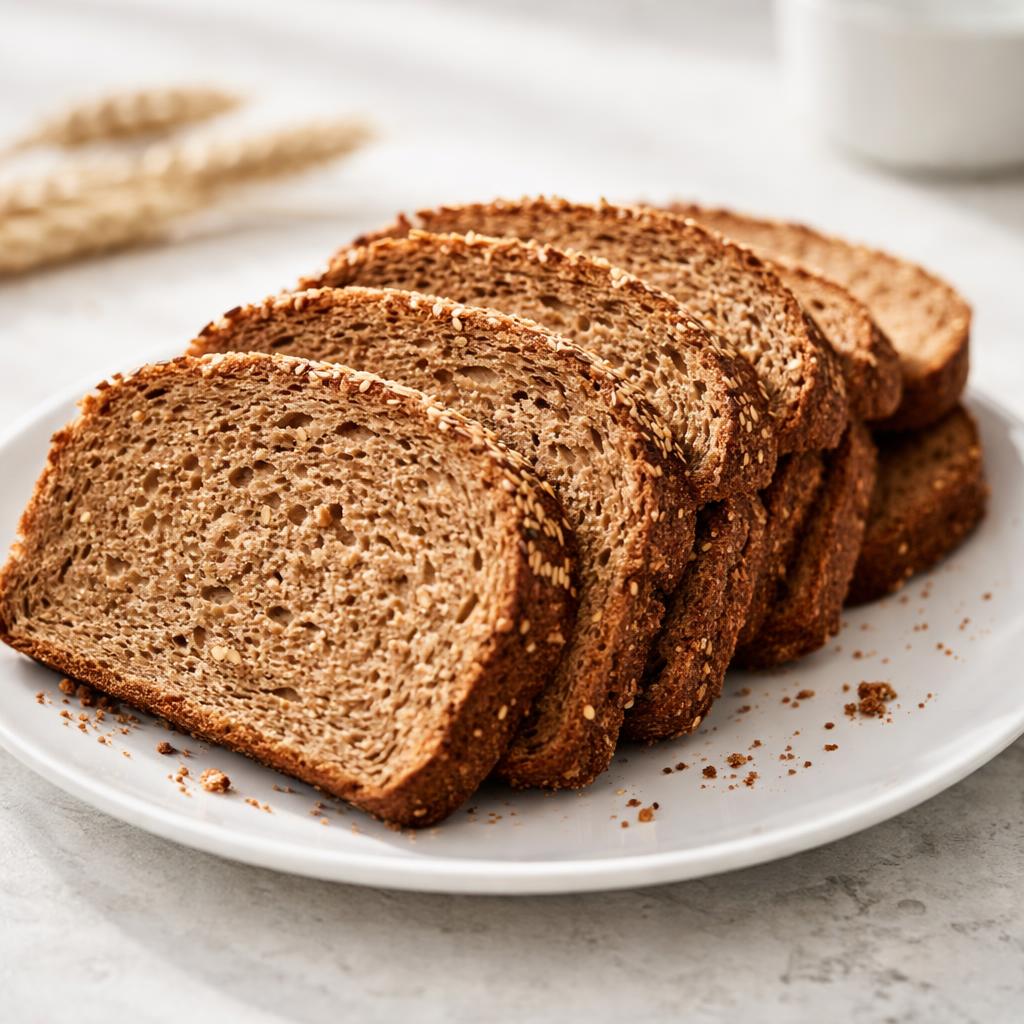
Brown Bread
🎯 Quick Verdict
Brown bread emerges as the healthier option due to lower calorie content, higher protein, and fiber levels compared to banana bread. Banana bread is more calorie-dense due to added sugar and fats, making it better suited for energy-dense snacks or occasional treats, while brown bread is ideal for daily consumption as part of a balanced diet.

Smart Nutrition Tracking with SnapCalorie

📊 Nutritional Comparison
Macronutrients
| Nutrient | Food 1 | Food 2 | Winner |
|---|---|---|---|
| Calories | 200 | 110 | ✓ |
| Protein | 3g | 5g | ✓ |
| Carbs | 30g | 20g | ✓ |
| Fat | 8g | 2g | ✓ |
| Fiber | 2g | 3g | ✓ |
Vitamins & Minerals
| Nutrient | Food 1 | Food 2 | Winner |
|---|---|---|---|
| Vitamin B6 | 0.2mg | 0.1mg | ✓ |
| Iron | 0.5mg | 1.5mg | ✓ |
| Magnesium | 10mg | 25mg | ✓ |
🏆 Category Winners
Protein
Brown bread has approximately 67% more protein compared to banana bread.
Fiber
Brown bread provides 50% more fiber, beneficial for digestion.
Calories
Brown bread is far less calorie-dense, suitable for weight management.
Vitamins
Banana bread offers more Vitamin B6, while brown bread excels in Iron and Magnesium.
🥗 Diet Compatibility
Keto
Food 1: Not Compatible
Food 2: Not Compatible
Both are too high in carbs for a ketogenic diet.
Vegan
Food 1: Not Compatible
Food 2: Potentially Compatible
Banana bread often contains eggs or dairy, while brown bread may be vegan depending on ingredients.
Gluten Free
Food 1: Not Compatible
Food 2: Not Compatible
Both contain gluten unless made with alternative flours.
Paleo
Food 1: Not Compatible
Food 2: Not Compatible
Grains and added sugar disqualify both from the paleo diet.
Low-Carb
Food 1: Not Compatible
Food 2: Not Compatible
Carb levels exceed the requirements for low-carb diets in both foods.
💪 Health Benefits Comparison
Food 1 Benefits
- Provides quick energy due to higher carbohydrate and sugar content
- Contains some Vitamin B6 which supports metabolism
- Can be a tasty snack supporting mental well-being occasionally
Food 2 Benefits
- Higher in fiber to aid digestion and promote gut health
- Provides more protein for muscle maintenance and repair
- Rich in Iron and Magnesium for improved oxygen transport and bone health
✅ The Bottom Line
Brown bread is the healthier, everyday option for balanced diets thanks to lower calories, higher fiber, and protein. Banana bread, while more indulgent, is best suited for occasional treats or energy-dense snacks. Choose based on your dietary needs and goals.
Choose Food 1 for: Energy-rich snacks, occasional dessert alternative, quick carbohydrates
Choose Food 2 for: Daily use, weight management, high-fiber diets, balanced meals


