Avocado VS Vegetable Oil
A detailed nutritional comparison
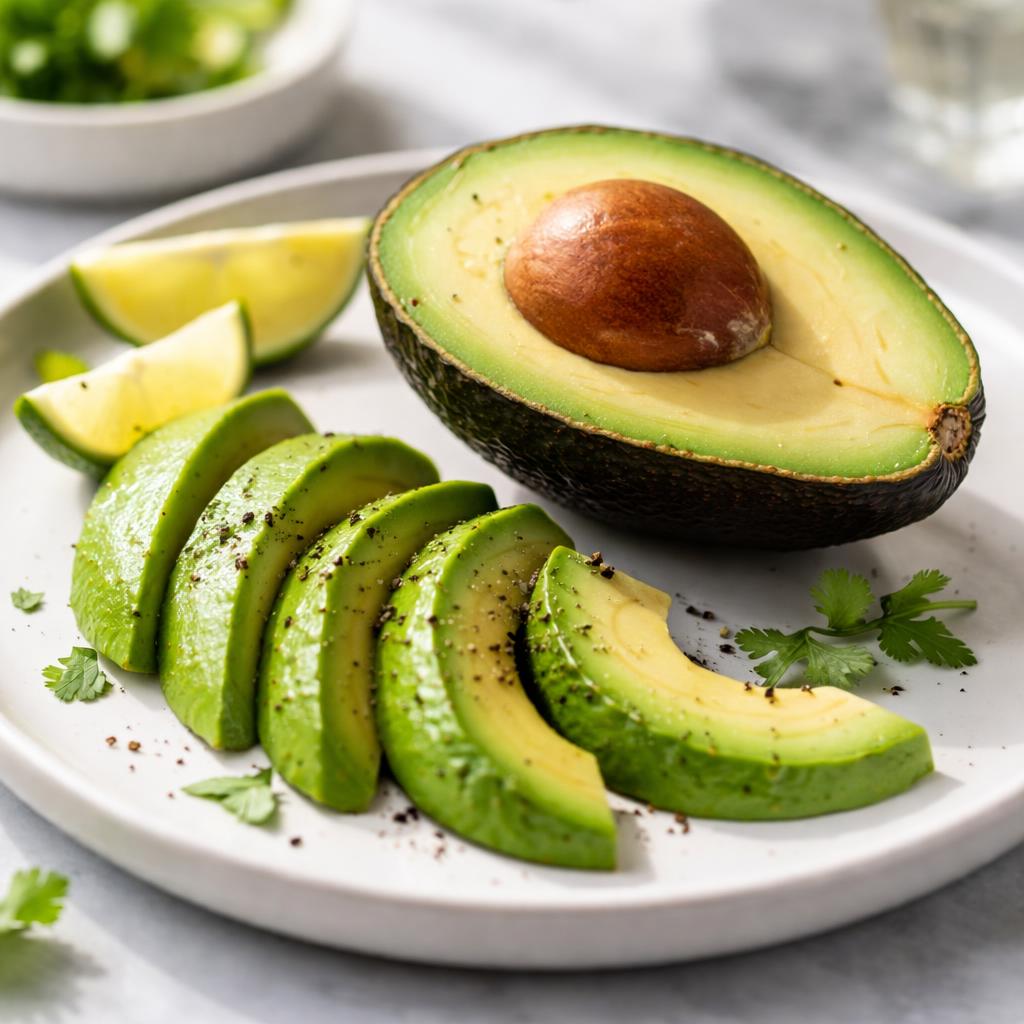
Avocado
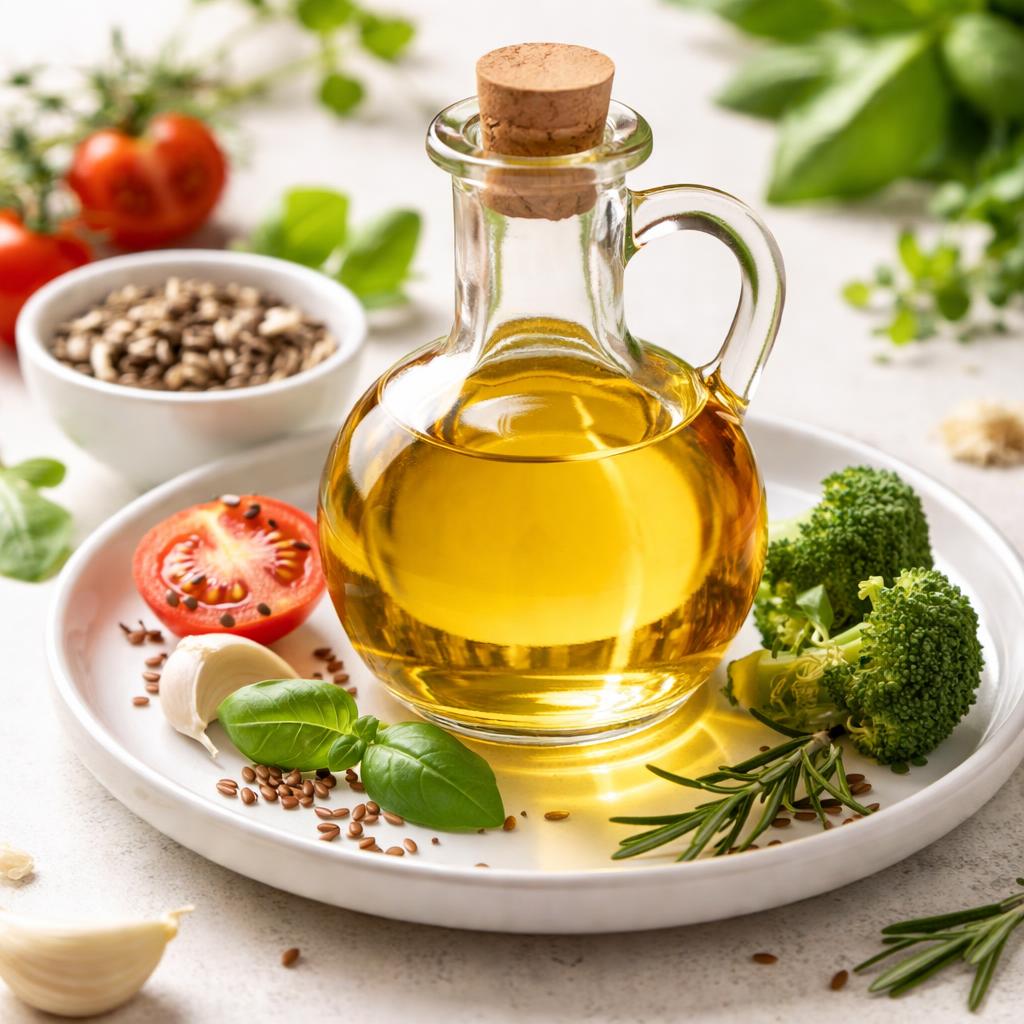
Vegetable Oil
🎯 Quick Verdict
Avocado is nutrient-dense, offering significant fiber, protein, and vitamins, while vegetable oil is calorie-dense but provides mostly healthy fats without other nutrients. Avocado supports digestion and muscle maintenance due to its balanced nutritional profile, whereas vegetable oil is ideal for adding healthy fats to a diet with fewer overall calories per volume compared to avocado.

Smart Nutrition Tracking with SnapCalorie

📊 Nutritional Comparison
Macronutrients
| Nutrient | Food 1 | Food 2 | Winner |
|---|---|---|---|
| Calories | 160 per 100g | 120 per tbsp (13.6g) | ✓ |
| Protein | 2g per 100g | 0g | ✓ |
| Carbs | 8.5g per 100g | 0g | ✓ |
| Fat | 15g per 100g | 14g per tbsp (13.6g) | ✓ |
| Fiber | 6.8g per 100g | 0g | ✓ |
Vitamins & Minerals
| Nutrient | Food 1 | Food 2 | Winner |
|---|---|---|---|
| Vitamin D | 0mcg | 0mcg | − |
| Vitamin E | 2.07mg per 100g | 3.36mg per tbsp (13.6g) | ✓ |
| Vitamin K | 21mcg per 100g | 8.1mcg per tbsp (13.6g) | ✓ |
🏆 Category Winners
Protein
Avocado contains 2g of protein per 100g, while vegetable oil has none.
Fiber
Avocado is an excellent source of fiber, contributing 6.8g per 100g, whereas vegetable oil contains none.
Calories
Vegetable oil is more calorie-dense by volume; however, it provides fewer calories per single serving compared to an equivalent serving of avocado.
Vitamins
While avocado excels in Vitamin K, vegetable oil provides higher Vitamin E levels.
🥗 Diet Compatibility
Keto
Food 1: Compatible
Food 2: Compatible
Both are high-fat and low-carb.
Vegan
Food 1: Compatible
Food 2: Compatible
Neither food contains animal products.
Gluten Free
Food 1: Compatible
Food 2: Compatible
Neither food contains gluten.
Paleo
Food 1: Compatible
Food 2: Compatible
Both are unprocessed and fit within paleo guidelines.
Low-Carb
Food 1: Compatible
Food 2: Compatible
Avocado is low-carb (~8.5g per 100g), and vegetable oil contains no carbs at all.
💪 Health Benefits Comparison
Food 1 Benefits
- Rich in heart-healthy monounsaturated fats for improved cardiovascular health.
- Provides fiber for better digestion and gut health.
- Contains potassium to help maintain electrolyte balance and reduce blood pressure.
- Offers key antioxidants like lutein for eye health.
Food 2 Benefits
- Excellent source of Vitamin E for skin health and antioxidant protection.
- Contains omega-3 and omega-6 fatty acids for brain and heart health.
- Provides concentrated energy with healthy fats.
- Serves as a versatile cooking base and aids nutrient absorption when paired with other foods.
✅ The Bottom Line
Avocado and vegetable oil serve different nutritional purposes. Avocado is ideal when looking for a fiber-rich, nutrient-dense food with healthy fats and antioxidants. Vegetable oil is best for those looking to add healthy fats to cooking or enhance the flavor of dishes without additional carbs or protein. Choose avocado for balanced meals and vegetable oil for culinary applications and concentrated fat intake.
Choose Food 1 for: Digestive health, balanced nutrition, snacks, salads
Choose Food 2 for: Cooking, increasing fat intake, quick energy sources


