Avocado VS Turkey Bacon
A detailed nutritional comparison
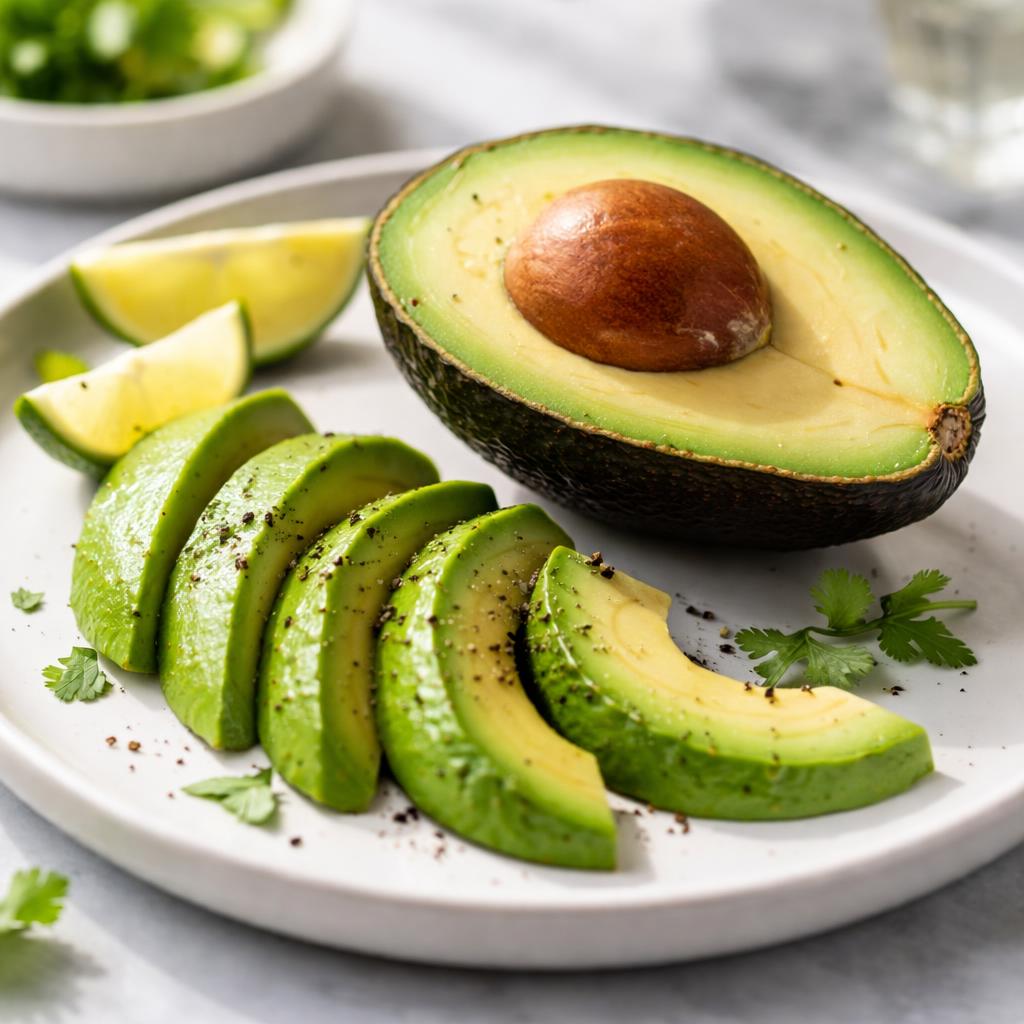
Avocado
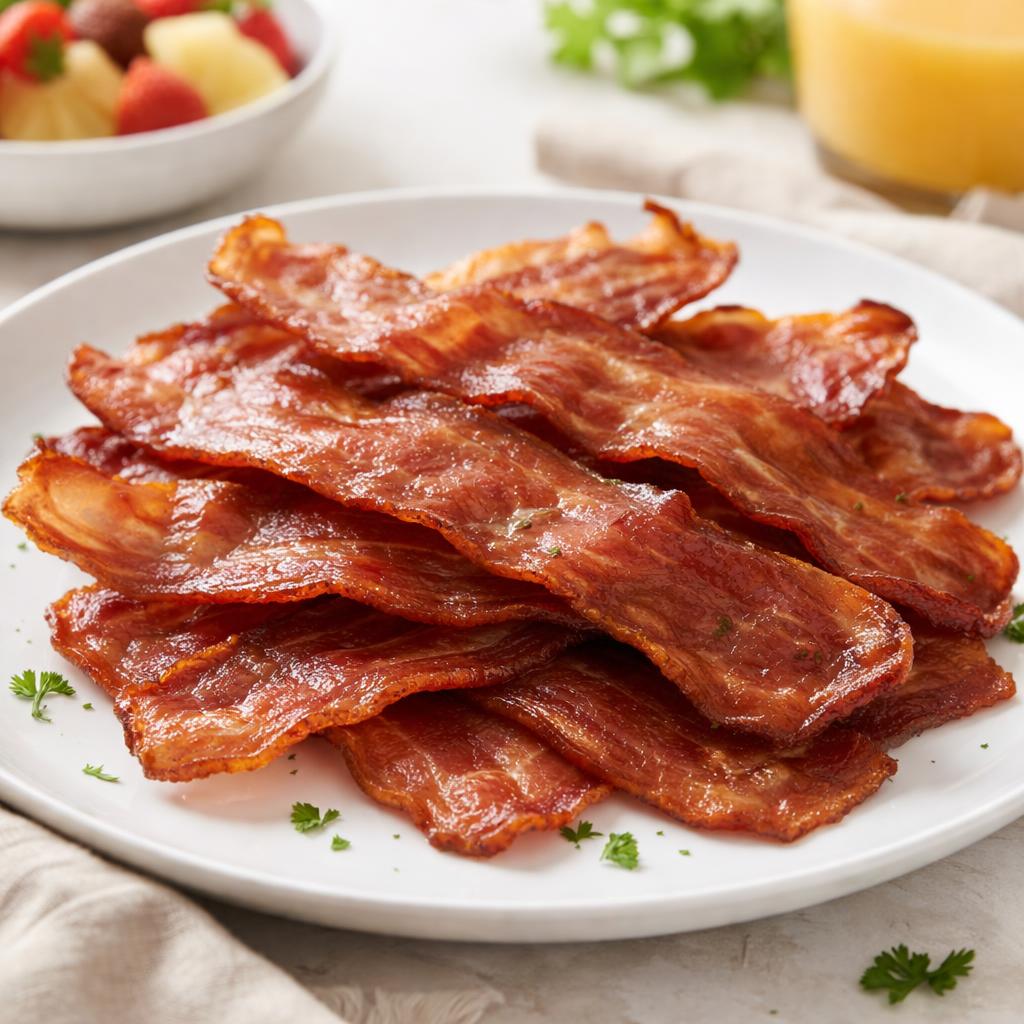
Turkey Bacon
🎯 Quick Verdict
Avocado and turkey bacon differ significantly in their nutritional profiles. Avocado is rich in healthy fats, fiber, and vitamins, while turkey bacon is much higher in protein and lower in carbs. Choose avocado for heart-healthy fats and fiber, and turkey bacon for a high-protein option with lower fat content compared to traditional bacon.

Smart Nutrition Tracking with SnapCalorie

📊 Nutritional Comparison
Macronutrients
| Nutrient | Food 1 | Food 2 | Winner |
|---|---|---|---|
| Calories | 160 (per 100g) | 120 (per 100g) | ✓ |
| Protein | 2g | 17g | ✓ |
| Carbs | 9g | 1g | ✓ |
| Fat | 15g | 6g | ✓ |
| Fiber | 7g | 0g | ✓ |
Vitamins & Minerals
| Nutrient | Food 1 | Food 2 | Winner |
|---|---|---|---|
| Vitamin C | 10mg | 0mg | ✓ |
| Vitamin D | 0mcg | 1.5mcg | ✓ |
| Potassium | 485mg | 200mg | ✓ |
| Sodium | 7mg | 510mg | ✓ |
🏆 Category Winners
Protein
Turkey bacon contains 8.5 times more protein per serving than avocado.
Fiber
Avocado provides 7g of fiber per serving, while turkey bacon has no fiber.
Calories
Turkey bacon has 25% fewer calories than avocado per 100g.
Vitamins
Avocado is an excellent source of Vitamin C and potassium, which are minimal in turkey bacon.
🥗 Diet Compatibility
Keto
Food 1: Compatible
Food 2: Compatible
Both foods are low in carbs and suitable for keto diets.
Vegan
Food 1: Compatible
Food 2: Not Compatible
Food1 (avocado) is plant-based, while food2 (turkey bacon) is animal-derived.
Gluten Free
Food 1: Compatible
Food 2: Compatible
Neither food contains gluten.
Paleo
Food 1: Compatible
Food 2: Compatible
Both are allowed on paleo diets, with turkey bacon fitting modern paleo adaptations.
Low Carb
Food 1: Compatible
Food 2: Compatible
Both foods are very low in carbohydrates (avocado 9g per serving, turkey bacon 1g).
💪 Health Benefits Comparison
Food 1 Benefits
- Rich in monounsaturated fats, beneficial for heart health.
- Provides dietary fiber that supports digestion and promotes satiety.
- High in potassium, which helps balance electrolyte levels.
- Contains antioxidants like Vitamin C for immune support.
Food 2 Benefits
- High in lean protein, supporting muscle retention and growth.
- Low in carbs, making it suitable for low-carb and keto diets.
- Good source of Vitamin D, aiding bone health and immune function.
- Lower in fat compared to traditional bacon, offering a lighter option.
✅ The Bottom Line
Avocado is ideal for those seeking heart-healthy fats, fiber, and high levels of vitamins, making it great for vegan, paleo, and high-fiber diets. Turkey bacon is best for individuals who require a high-protein, low-calorie option and prefer a lighter, lower-fat substitute for traditional bacon.
Choose Food 1 for: Heart health, vegan or paleo diets, digestive health
Choose Food 2 for: High-protein diets, weight loss, keto or low-carb meal plans


