Avocado VS Sea Bass
A detailed nutritional comparison
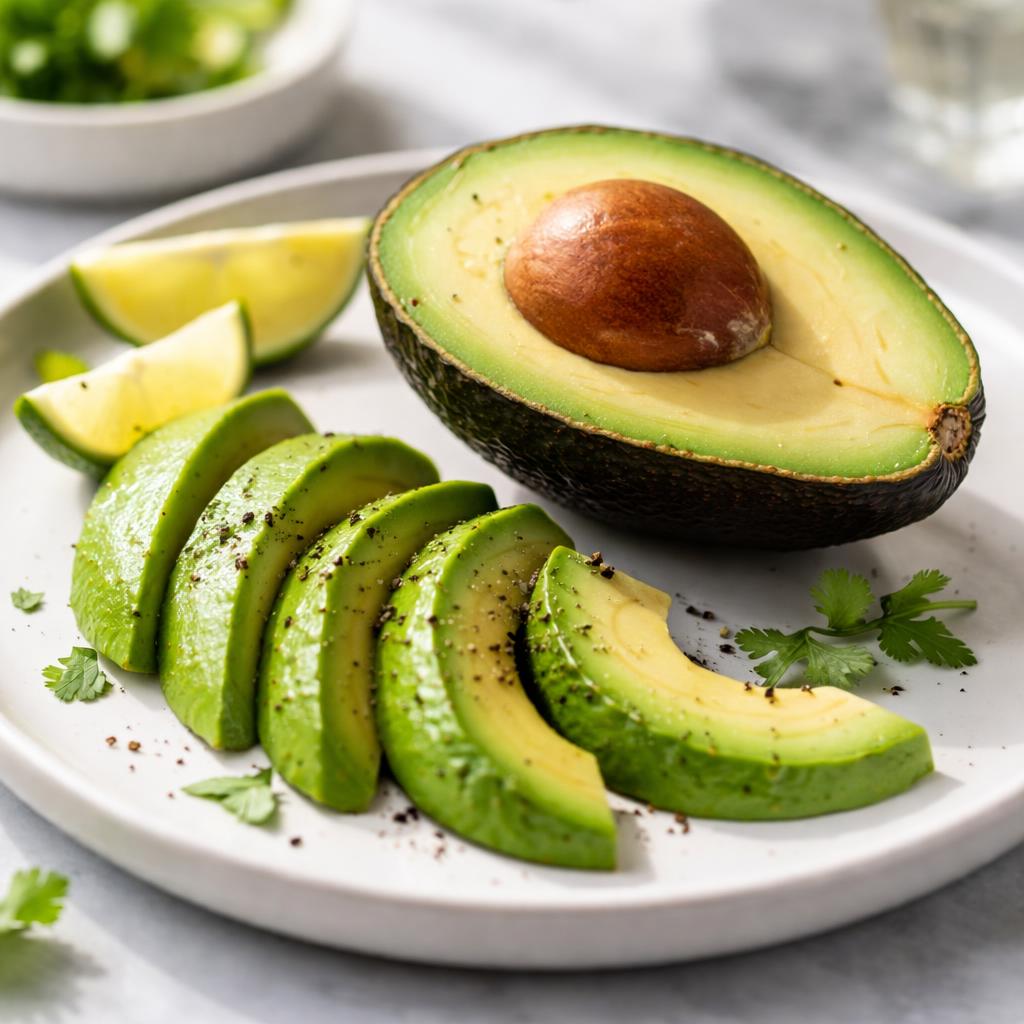
Avocado
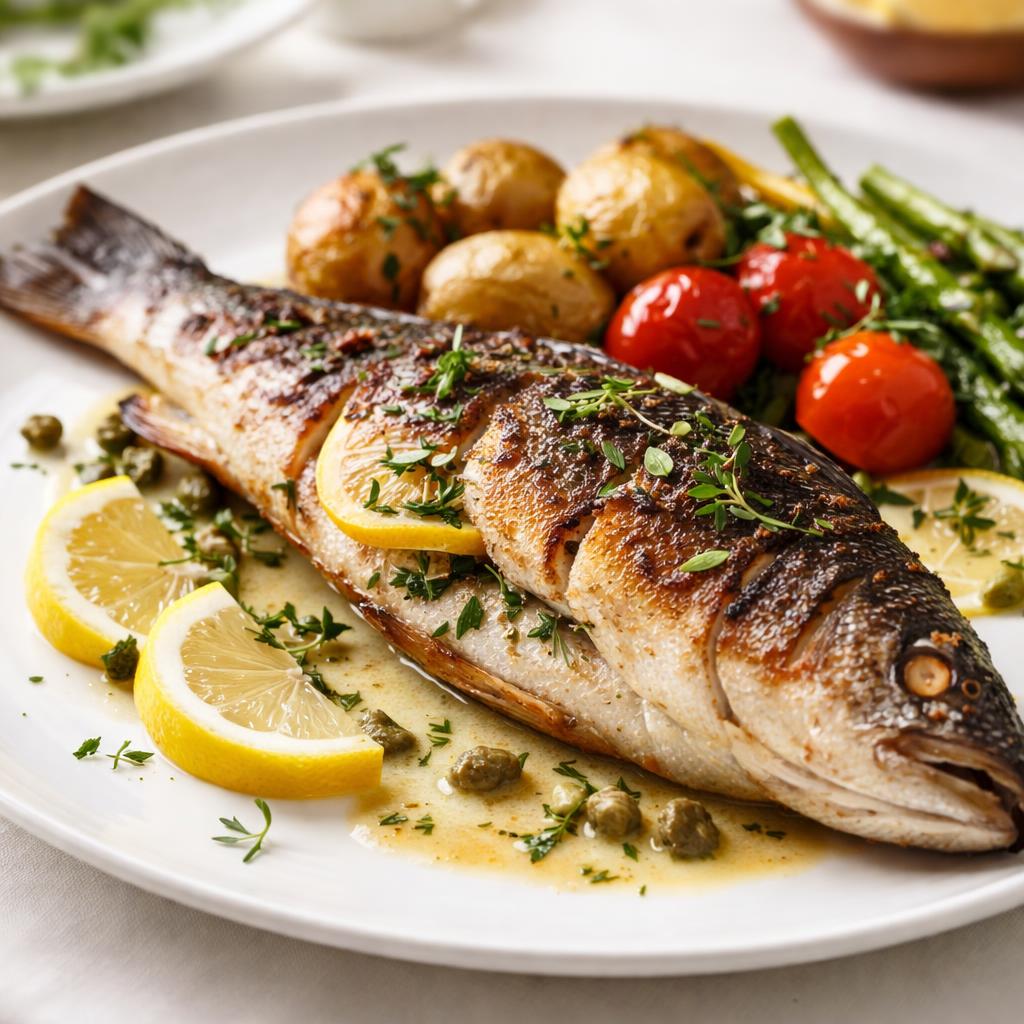
Sea Bass
🎯 Quick Verdict
Avocado and sea bass serve distinct nutritional purposes. Avocado is rich in fiber, healthy fats, and several vitamins, making it ideal for heart health and digestion. On the other hand, sea bass is an excellent source of lean protein and lower in calories, suitable for muscle building and weight management. Choose based on your dietary goals and preferences.

Smart Nutrition Tracking with SnapCalorie

📊 Nutritional Comparison
Macronutrients
| Nutrient | Food 1 | Food 2 | Winner |
|---|---|---|---|
| Calories | 240 per 1 cup (150g) | 125 per 100g | ✓ |
| Protein | 3g per 1 cup (150g) | 24g per 100g | ✓ |
| Carbs | 12g per 1 cup (150g) | 0g per 100g | ✓ |
| Fat | 22g per 1 cup (150g) | 3g per 100g | ✓ |
| Fiber | 10g per 1 cup (150g) | 0g per 100g | ✓ |
Vitamins & Minerals
| Nutrient | Food 1 | Food 2 | Winner |
|---|---|---|---|
| Vitamin D | 0mcg | 6.2mcg (50% DV) per 100g | ✓ |
| Vitamin K | 21mcg (26% DV) per 1 cup (150g) | 0mcg | ✓ |
| Vitamin E | 3.1mg (15% DV) per 1 cup (150g) | 0.37mg per 100g | ✓ |
| Potassium | 728mg (21% DV) per 1 cup (150g) | 453mg per 100g | ✓ |
| Iron | 0.8mg per 1 cup (150g) | 0.7mg per 100g | ✓ |
🏆 Category Winners
Protein
Sea bass contains eight times more protein than avocado, making it an ideal choice for protein-focused diets.
Fiber
Avocado offers 10g of fiber per serving, while sea bass contains none.
Calories
Sea bass is lower in calories with just 125 per serving compared to avocado's 240.
Vitamins
Both foods excel in different vitamins—avocado in potassium, vitamin K, and E; sea bass in vitamin D.
🥗 Diet Compatibility
Keto
Food 1: Compatible
Food 2: Compatible
Both foods are low in carbs and fit the macronutrient profile for ketogenic diets.
Vegan
Food 1: Compatible
Food 2: Not Compatible
Avocado is plant-based, whereas sea bass is an animal product.
Gluten Free
Food 1: Compatible
Food 2: Compatible
Neither contains gluten.
Paleo
Food 1: Compatible
Food 2: Compatible
Both foods fit paleo guidelines.
Low-Carb
Food 1: Compatible
Food 2: Compatible
Avocado is low-carb, and sea bass contains no carbs at all.
💪 Health Benefits Comparison
Food 1 Benefits
- High in heart-healthy monounsaturated fats
- Rich in fiber for better digestion and gut health
- Provides potassium to support muscle and nerve function
- Contains vitamin E for skin health and antioxidant protection
Food 2 Benefits
- Excellent source of lean, complete protein for muscle repair and growth
- Rich in omega-3 fatty acids, promoting heart and brain health
- Good dietary source of vitamin D for bone health and immune support
- Low-calorie option which supports weight management
✅ The Bottom Line
Choose avocado for a nutrient-dense, heart-healthy option, especially if you need fiber or are on a plant-based diet. Opt for sea bass when you need high-quality protein, omega-3s, and fewer calories. Both foods can complement diverse dietary needs.
Choose Food 1 for: Heart health, plant-based diets, digestive health
Choose Food 2 for: Muscle growth, weight management, paleo or keto diets


