Avocado VS Quinoa Salad
A detailed nutritional comparison
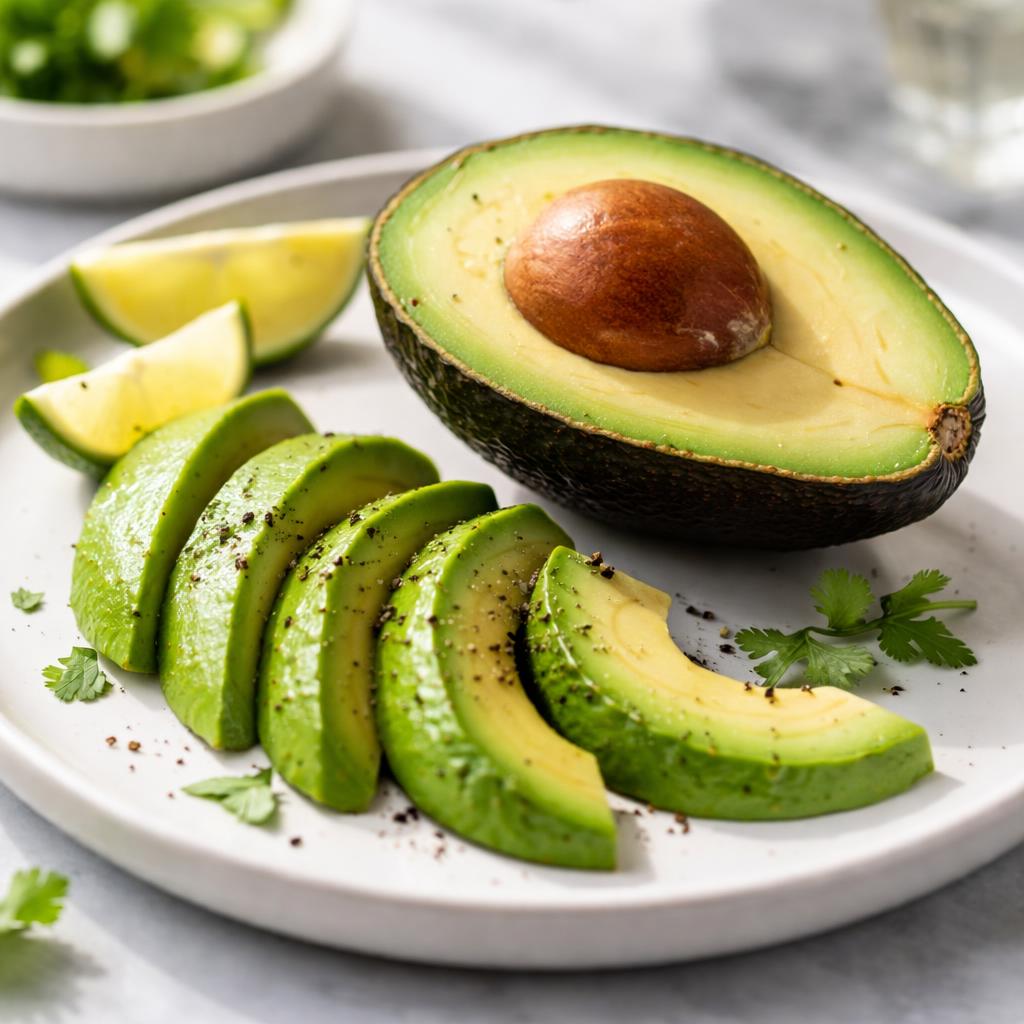
Avocado
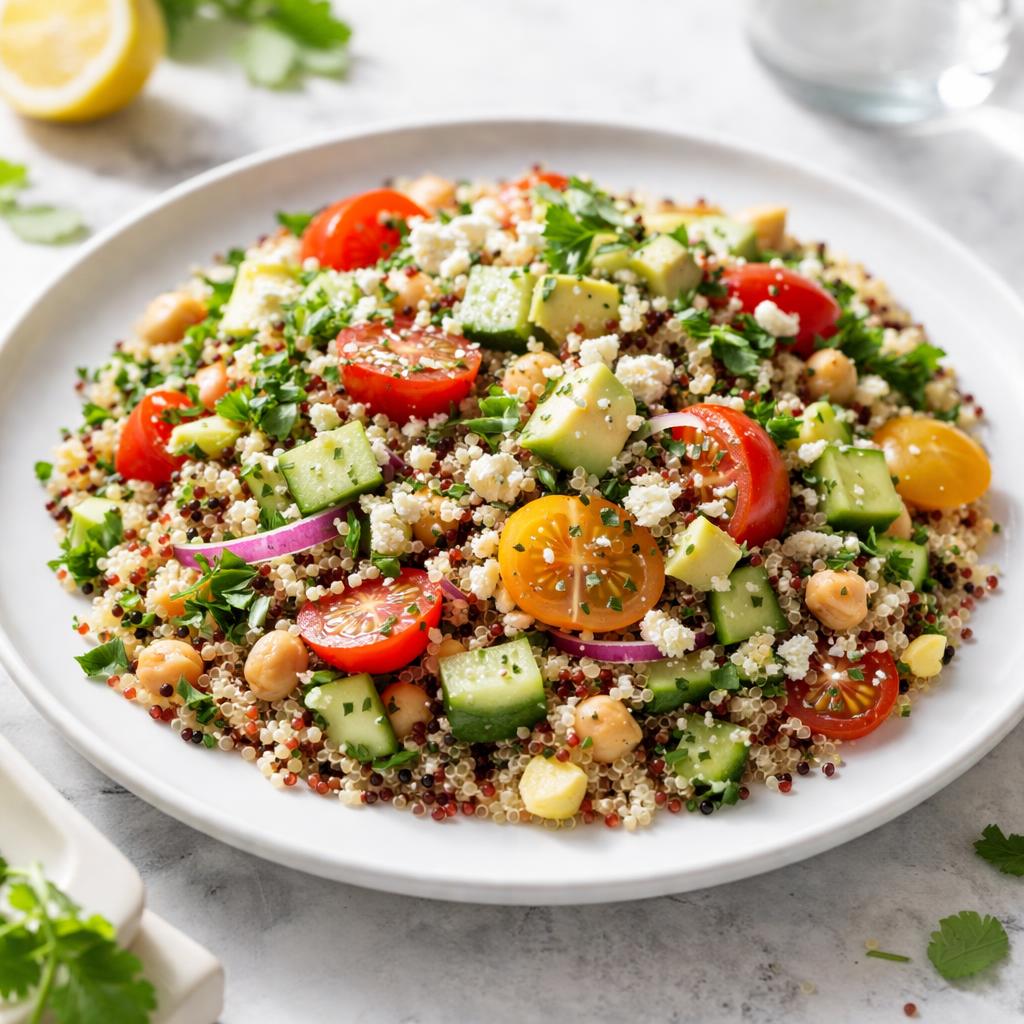
Quinoa Salad
🎯 Quick Verdict
Avocados are nutrient-dense, high in heart-healthy monounsaturated fats, and lower in calories compared to quinoa salad. Quinoa salad, on the other hand, offers more protein, fiber, and overall carbohydrate content, making it a better fit for energy and satiety. Both foods are excellent choices but have distinct use cases depending on dietary needs.

Smart Nutrition Tracking with SnapCalorie

📊 Nutritional Comparison
Macronutrients
| Nutrient | Food 1 | Food 2 | Winner |
|---|---|---|---|
| Calories | 160 | 230 | ✓ |
| Protein | 2g | 8g | ✓ |
| Carbs | 8.5g | 35g | ✓ |
| Fat | 15g | 6g | ✓ |
| Fiber | 7g | 10g | ✓ |
Vitamins & Minerals
| Nutrient | Food 1 | Food 2 | Winner |
|---|---|---|---|
| Vitamin C | 10mg | 5mg | ✓ |
| Folate | 81mcg | 40mcg | ✓ |
| Iron | 0.3mg | 2.8mg | ✓ |
🏆 Category Winners
Protein
Quinoa salad contains 8g protein per serving, while avocado has only 2g.
Fiber
Quinoa salad contains 10g fiber, offering slightly more than avocado's 7g.
Calories
Avocado has 160 calories per serving, compared to 230 calories in quinoa salad.
Vitamins
Avocado offers higher levels of Vitamin C and Folate compared to quinoa salad.
🥗 Diet Compatibility
Keto
Food 1: Compatible
Food 2: Not Compatible
Avocado is high-fat and low-carb (8.5g net carbs).
Vegan
Food 1: Compatible
Food 2: Compatible
Both foods are plant-based.
Gluten Free
Food 1: Compatible
Food 2: Compatible
Neither food contains gluten.
Paleo
Food 1: Compatible
Food 2: Not Compatible
Avocado aligns with paleo principles, while quinoa is excluded due to being a seed grain.
Low-Carb
Food 1: Compatible
Food 2: Not Compatible
Avocado is low in carbs, while quinoa salad contains 35g carbs per serving, making it less low-carb-friendly.
💪 Health Benefits Comparison
Food 1 Benefits
- Rich in monounsaturated fats to support heart health
- High in fiber for digestive health and satiety
- Provides important vitamins like Vitamin C and Folate
- Contains potassium to help regulate blood pressure
Food 2 Benefits
- Great source of complex carbohydrates for sustained energy
- High in protein for muscle support and repair
- Contains a wide array of minerals, including iron and magnesium
- Rich in antioxidants, promoting overall cellular health
✅ The Bottom Line
Choose avocado if you are seeking a nutrient-dense, heart-healthy food that's compatible with keto or paleo diets. Opt for quinoa salad if you need a filling, protein-packed option for sustained energy and satiety. Both foods have distinct strengths, providing flexibility based on dietary goals.
Choose Food 1 for: Heart health, weight management, low-carb diets
Choose Food 2 for: Energy and stamina, high-protein diets, nutrient-dense meals


