Avocado VS Pork
A detailed nutritional comparison
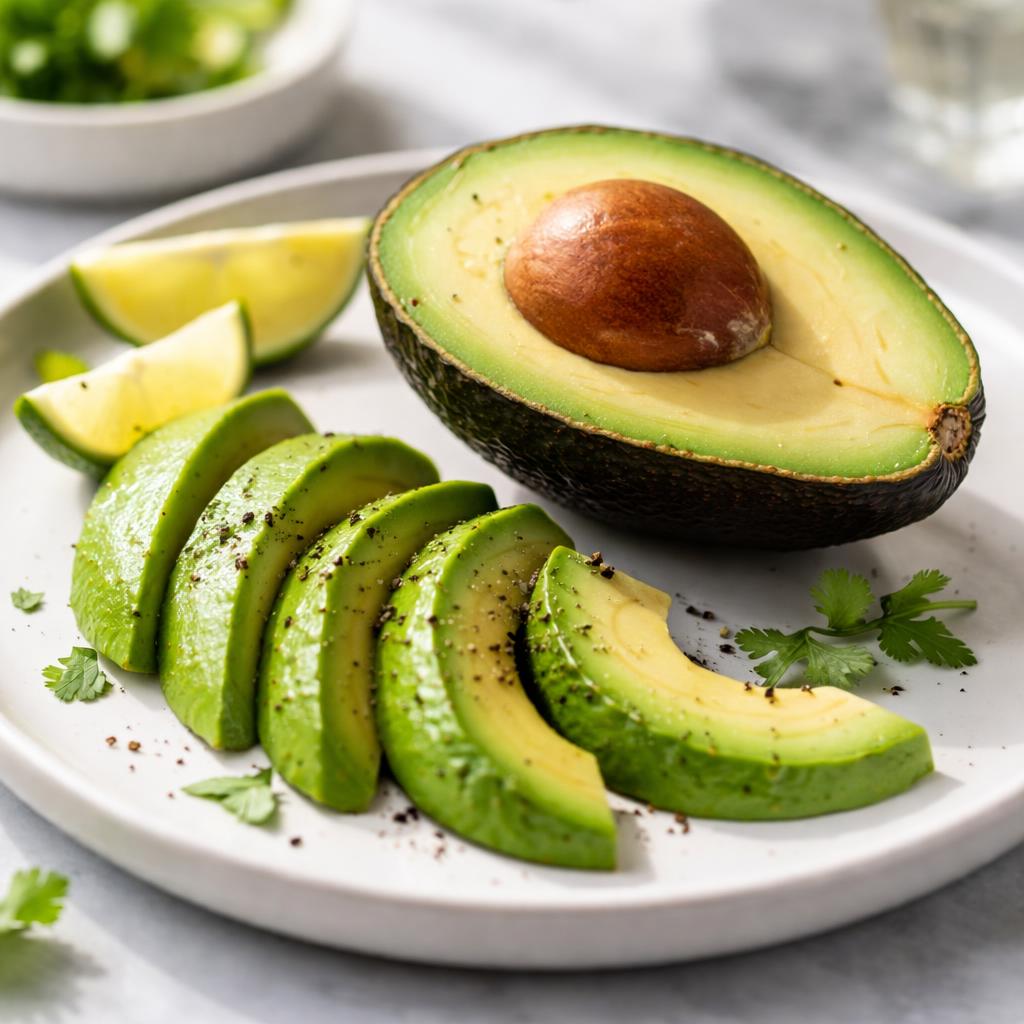
Avocado
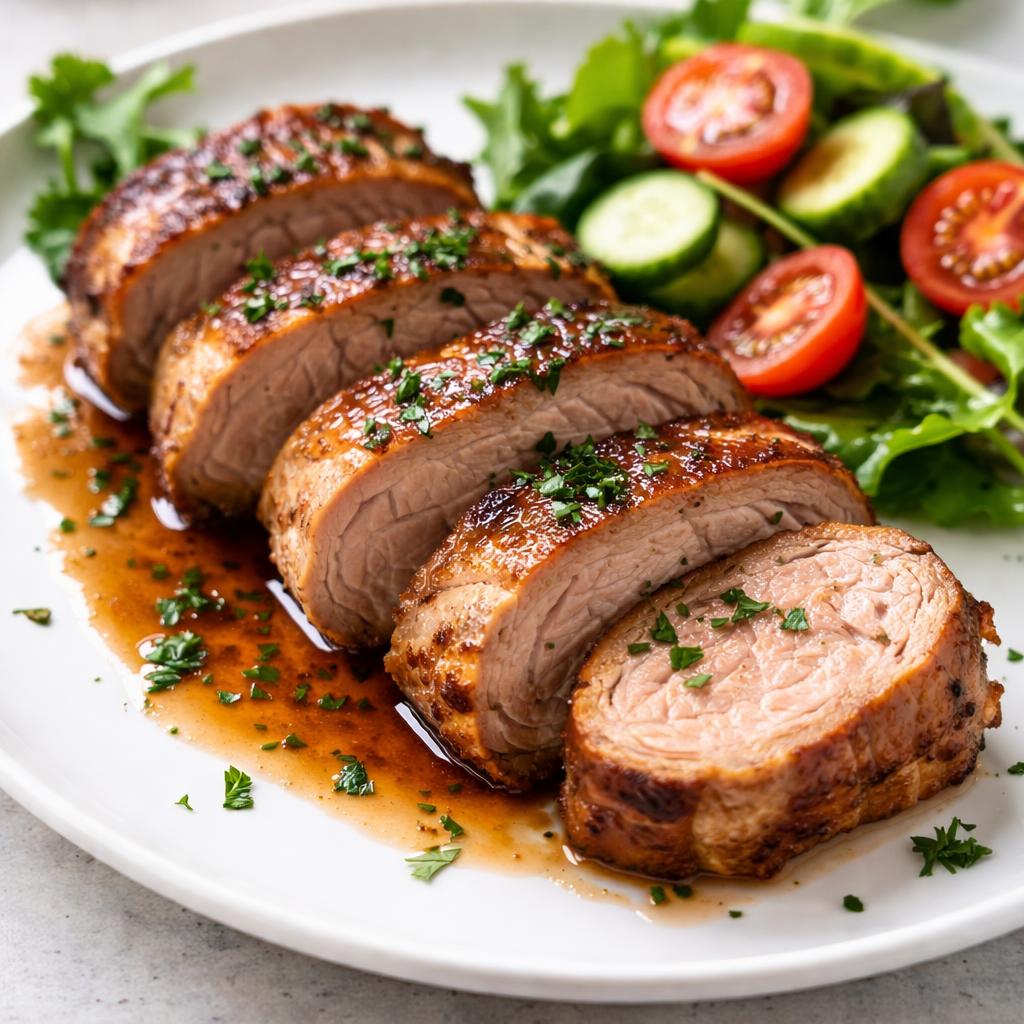
Pork
🎯 Quick Verdict
Avocado and pork serve different dietary needs. Avocado excels in fiber and healthy fats, making it ideal for digestion and heart health. Pork is superior in protein and vitamins like B12, supporting muscle growth and energy production. For weight loss, avocado’s low calorie count helps; for muscle building, pork is a better choice.

Smart Nutrition Tracking with SnapCalorie

📊 Nutritional Comparison
Macronutrients
| Nutrient | Food 1 | Food 2 | Winner |
|---|---|---|---|
| Calories | 160 | 242 | ✓ |
| Protein | 2g | 26g | ✓ |
| Carbs | 9g | 0g | ✓ |
| Fat | 15g | 13g | ✓ |
| Fiber | 7g | 0g | ✓ |
Vitamins & Minerals
| Nutrient | Food 1 | Food 2 | Winner |
|---|---|---|---|
| Vitamin D | 0mcg | 1.2mcg | ✓ |
| Vitamin B12 | 0mcg | 0.7mcg | ✓ |
| Potassium | 485mg | 330mg | ✓ |
| Iron | 0.6mg | 0.9mg | ✓ |
🏆 Category Winners
Protein
Pork has 13x more protein per serving than avocado.
Fiber
Avocado provides 7g of fiber, while pork has none.
Calories
Avocado has 34% fewer calories than pork.
Vitamins
Both have unique vitamin profiles—for instance, pork offers vitamin B12, while avocado provides potassium.
🥗 Diet Compatibility
Keto
Food 1: Compatible
Food 2: Compatible
Both foods are low-carb and high-fat, fitting well into ketogenic diets.
Vegan
Food 1: Compatible
Food 2: Not Compatible
Avocado is plant-based, while pork is animal-derived.
Gluten Free
Food 1: Compatible
Food 2: Compatible
Both foods are naturally gluten-free.
Paleo
Food 1: Compatible
Food 2: Compatible
Both foods align with Paleo principles as whole, unprocessed foods.
Low-Carb
Food 1: Compatible
Food 2: Compatible
Avocado and pork are both low in carbohydrates per serving.
💪 Health Benefits Comparison
Food 1 Benefits
- Rich in monounsaturated fats for heart health
- High in fiber for improved digestion
- Good source of potassium for maintaining healthy blood pressure
- Contains antioxidants like lutein beneficial for eye health
Food 2 Benefits
- Excellent source of complete protein for muscle growth and repair
- Rich in vitamin B12 for nerve and blood health
- Provides iron to support oxygen transport in the body
- Contains saturated fats and cholesterol, which are essential in moderation for hormones and cell structure
✅ The Bottom Line
Choose avocado for fiber and heart health or if following a plant-based diet. Opt for pork if seeking high protein and nutrient-dense food for muscle maintenance and energy. Both can fit into keto or low-carb diets depending on your goals.
Choose Food 1 for: Heart health, digestion, weight loss, vegan diets
Choose Food 2 for: Muscle-building, energy, Paleo diets, nutrient density


