Avocado VS Omelette
A detailed nutritional comparison
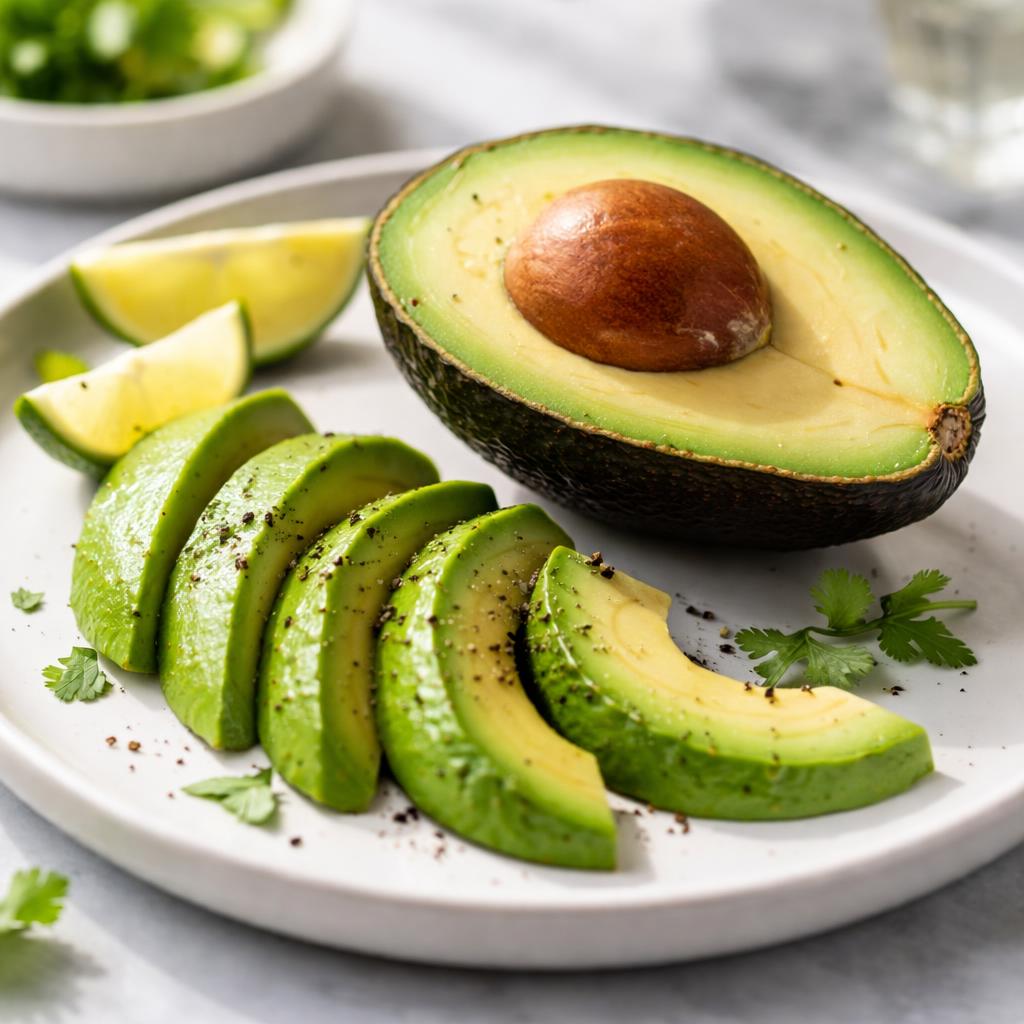
Avocado

Omelette
🎯 Quick Verdict
Avocado and omelette differ significantly in their nutritional profile. Avocado provides more fiber, healthy fats, and vitamin C, making it ideal for digestive health and nutrient density. Omelette is higher in protein and lower in calories, making it a better choice for muscle building and weight loss. Both foods can complement different dietary goals depending on individual needs.

Smart Nutrition Tracking with SnapCalorie

📊 Nutritional Comparison
Macronutrients
| Nutrient | Food 1 | Food 2 | Winner |
|---|---|---|---|
| Calories | 160 | 140 | ✓ |
| Protein | 2g | 10g | ✓ |
| Carbs | 9g | 1g | ✓ |
| Fat | 15g | 10g | ✓ |
| Fiber | 7g | 0g | ✓ |
Vitamins & Minerals
| Nutrient | Food 1 | Food 2 | Winner |
|---|---|---|---|
| Vitamin C | 10mg | 0mg | ✓ |
| Vitamin D | 0mcg | 2mcg | ✓ |
| Potassium | 485mg | 150mg | ✓ |
| Folate | 80mcg | 25mcg | ✓ |
🏆 Category Winners
Protein
Omelette contains five times more protein per serving compared to avocado.
Fiber
Avocado provides significant fiber (7g per serving) while omelette has none.
Calories
Omelette has 12.5% fewer calories compared to avocado, making it better for a calorie-controlled diet.
🥗 Diet Compatibility
Keto
Food 1: Compatible
Food 2: Compatible
Both are low-carb and rich in fats.
Vegan
Food 1: Compatible
Food 2: Not Compatible
Avocado is plant-based, whereas omelette contains eggs.
Gluten Free
Food 1: Compatible
Food 2: Compatible
Neither food contains gluten.
Paleo
Food 1: Compatible
Food 2: Compatible
Both foods fit within a Paleo diet framework focused on whole foods.
Low-Carb
Food 1: Compatible
Food 2: Compatible
Both foods are low in carbohydrates, making them suitable for low-carb diets.
💪 Health Benefits Comparison
Food 1 Benefits
- Rich in healthy fats that support heart health
- High in fiber for improved digestion
- Contains potassium for maintaining electrolyte balance
- Good source of folate for cellular growth and repair
Food 2 Benefits
- High in protein to support muscle building and repair
- Contains vitamin D for bone health and immune function
- Low in calories, beneficial for weight management
- Provides essential choline for brain and liver health
✅ The Bottom Line
Both avocado and omelette are nutrient-rich choices with distinct uses. Avocado is ideal for plant-based eaters and those prioritizing heart health, fiber, and digestive benefits. Omelette is suitable for those seeking a protein-packed, calorie-conscious food for muscle repair and overall energy. Include these foods based on your dietary goals.
Choose Food 1 for: Heart health, improved digestion, nutrient density
Choose Food 2 for: Muscle building, calorie-controlled diets, post-workout meals


