Avocado VS Lemon
A detailed nutritional comparison
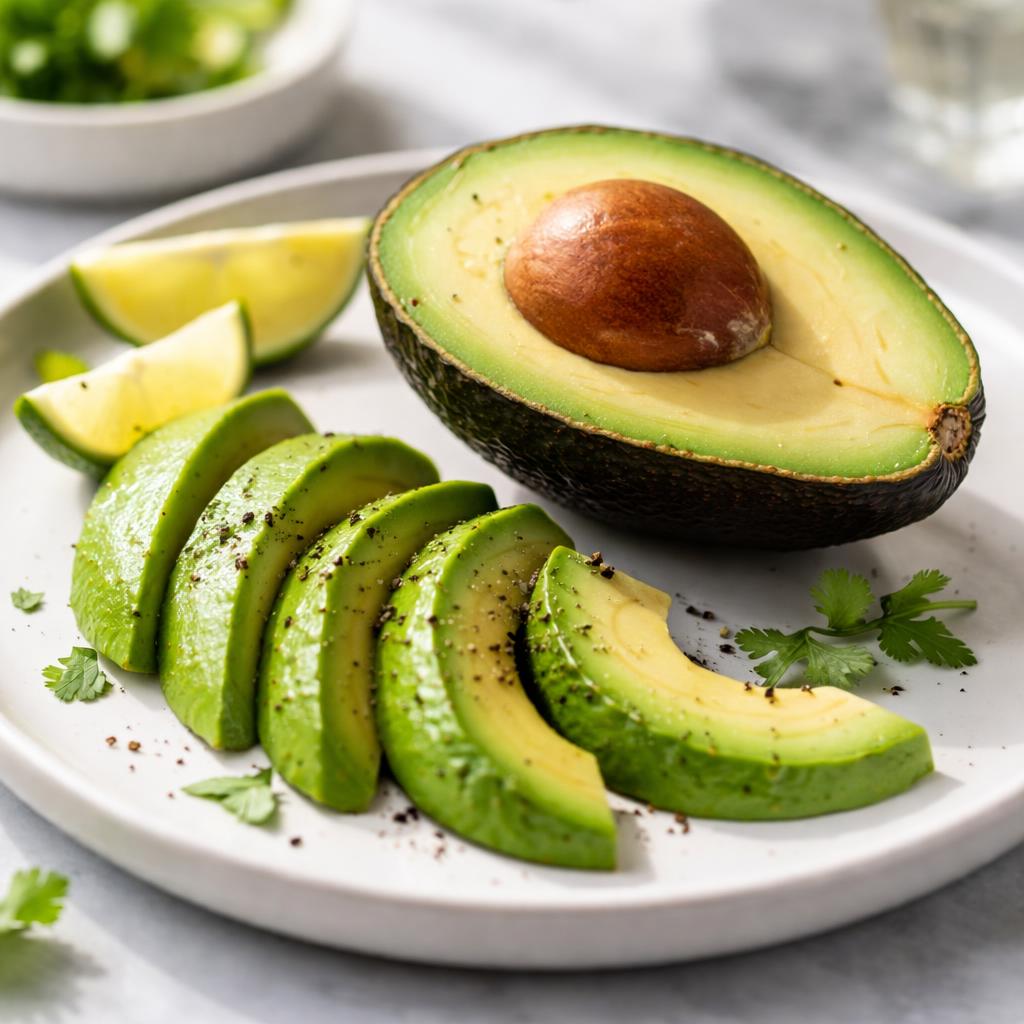
Avocado

Lemon
🎯 Quick Verdict
Avocado and lemon are nutritionally distinct: avocado is rich in healthy fats, fiber, and a small amount of protein, making it a great choice for nutrient density and energy. Lemon is low in calories and carbs, with a high concentration of vitamin C, ideal for flavor enhancement and immune support. Use avocado for satiety and sustained energy, while lemon is perfect for refreshing drinks or adding zest to meals.

Smart Nutrition Tracking with SnapCalorie

📊 Nutritional Comparison
Macronutrients
| Nutrient | Food 1 | Food 2 | Winner |
|---|---|---|---|
| Calories | 160 (per 100g) | 29 (per 100g) | ✓ |
| Protein | 2g | 1g | ✓ |
| Carbs | 9g | 9g | − |
| Fat | 15g | 0.3g | ✓ |
| Fiber | 7g | 2.8g | ✓ |
Vitamins & Minerals
| Nutrient | Food 1 | Food 2 | Winner |
|---|---|---|---|
| Vitamin C | 10mg | 53mg | ✓ |
| Vitamin K | 21mcg | 0mcg | ✓ |
| Potassium | 485mg | 138mg | ✓ |
🏆 Category Winners
Protein
Avocado has twice as much protein compared to lemon.
Fiber
Avocado offers 7g of fiber, more than double the amount in lemon.
Calories
Lemon is much lower in calories, making it ideal for low-calorie diets.
Vitamins
Lemon is an excellent source of vitamin C, offering 53mg compared to avocado's 10mg.
🥗 Diet Compatibility
Keto
Food 1: Compatible
Food 2: Compatible
Both are low-carb, though avocado also provides healthy fats.
Vegan
Food 1: Compatible
Food 2: Compatible
Both are plant-based foods with no animal products.
Gluten Free
Food 1: Compatible
Food 2: Compatible
Neither food contains gluten.
Paleo
Food 1: Compatible
Food 2: Compatible
Both fit within paleo principles.
Low Carb
Food 1: Compatible
Food 2: Compatible
Both foods are naturally low in carbohydrate content.
💪 Health Benefits Comparison
Food 1 Benefits
- Rich in heart-healthy monounsaturated fats
- High fiber content promotes digestive health
- Good source of potassium for electrolyte balance
- Provides vitamin K for bone health
Food 2 Benefits
- Excellent source of vitamin C for immune system support
- Low-calorie content makes it ideal for weight management
- Contains compounds with antioxidant benefits
- Promotes hydration and enhances flavor in recipes
✅ The Bottom Line
Avocado is a great choice for satiety, heart health, and versatile use in meals, offering healthy fats and fiber. Lemon is an excellent option for boosting vitamin C intake, enhancing flavor, and adding antioxidants to your diet with minimal calories. Both have distinct strengths depending on your dietary goals.
Choose Food 1 for: Weight maintenance, nutrient density, satiating meals
Choose Food 2 for: Flavor enhancement, immune support, low-calorie diets


