Avocado VS Kale Salad
A detailed nutritional comparison
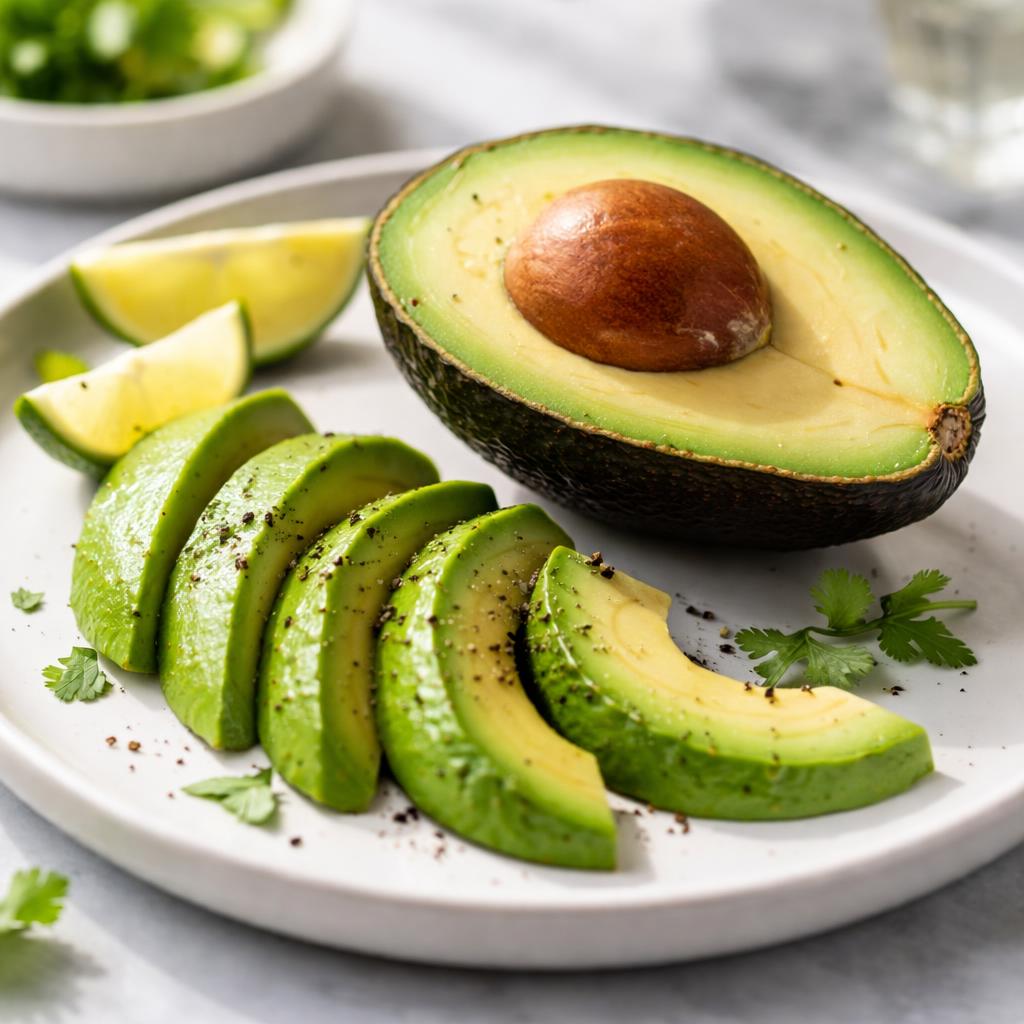
Avocado
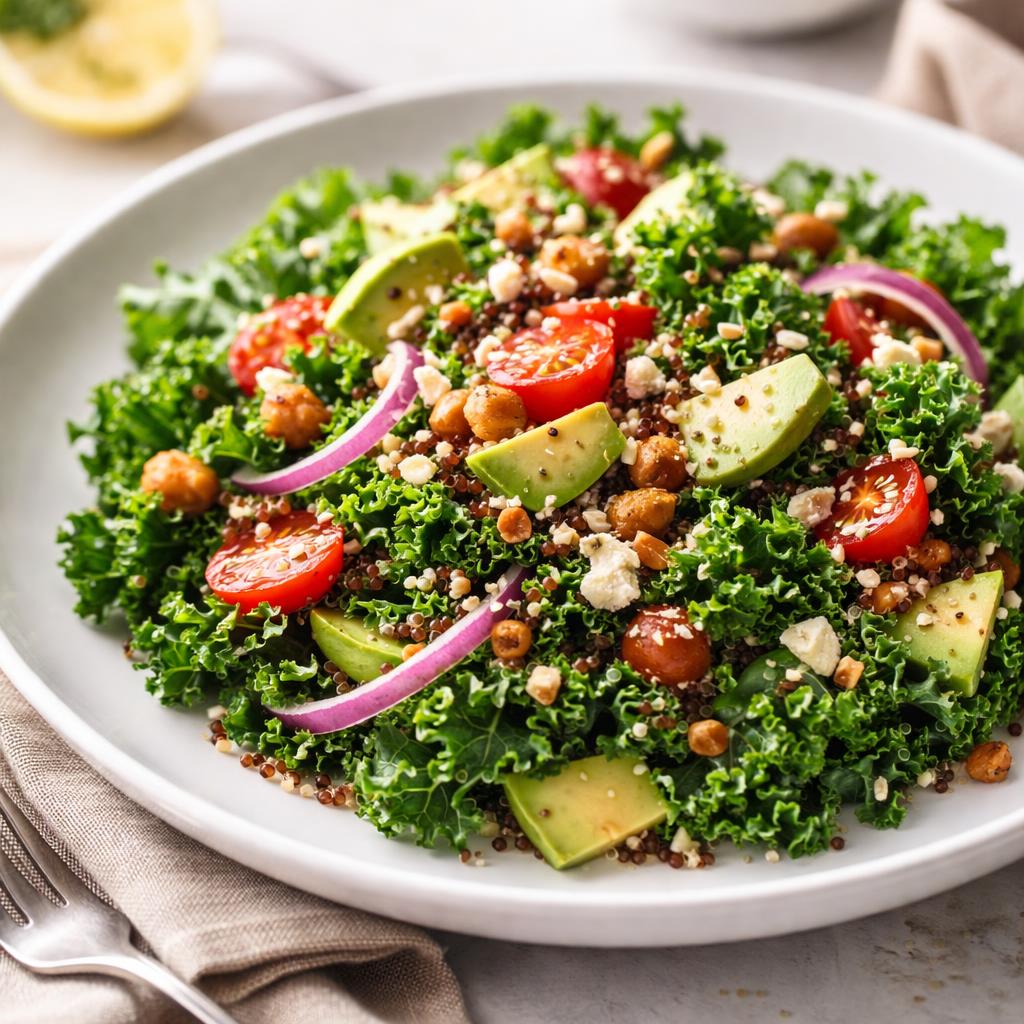
Kale Salad
🎯 Quick Verdict
Avocado is rich in healthy fats and provides vitamin E and potassium, making it great for heart health and energy sustenance. Kale salad is low in calories, high in fiber, and packed with vitamins A, C, and K, making it ideal for nutrient density and digestion. Both foods work well for vegan and gluten-free diets, with distinct strengths depending on your goals.

Smart Nutrition Tracking with SnapCalorie

📊 Nutritional Comparison
Macronutrients
| Nutrient | Food 1 | Food 2 | Winner |
|---|---|---|---|
| Calories | 160 | 120 | ✓ |
| Protein | 2g | 4g | ✓ |
| Carbs | 9g | 15g | ✓ |
| Fat | 15g | 3g | ✓ |
| Fiber | 7g | 8g | ✓ |
Vitamins & Minerals
| Nutrient | Food 1 | Food 2 | Winner |
|---|---|---|---|
| Vitamin D | 0mcg | 0mcg | − |
| Vitamin A | 7mcg | 150mcg | ✓ |
| Vitamin K | 21mcg | 50mcg | ✓ |
| Vitamin C | 10mg | 60mg | ✓ |
🏆 Category Winners
Protein
Kale salad contains twice the protein per serving compared to avocado.
Fiber
Kale salad has slightly more fiber than avocado, aiding digestion.
Calories
Kale salad has 25% fewer calories per serving, making it lighter for weight management.
Vitamins
Kale salad is rich in vitamins A, C, and K, whereas avocado primarily offers vitamin E and potassium.
🥗 Diet Compatibility
Keto
Food 1: Compatible
Food 2: Not Compatible
Avocado has high fats and is keto-friendly; kale salad’s higher carb content makes it less compatible.
Vegan
Food 1: Compatible
Food 2: Compatible
Both foods are plant-based and vegan-friendly.
Gluten Free
Food 1: Compatible
Food 2: Compatible
Neither food contains gluten, making both gluten-free.
Paleo
Food 1: Compatible
Food 2: Compatible
Both foods fit within the paleo framework of whole, unprocessed foods.
Low-Carb
Food 1: Compatible
Food 2: Not Compatible
Avocado is lower in carbs (9g per serving), while kale salad has 15g of carbs per serving.
💪 Health Benefits Comparison
Food 1 Benefits
- Rich in healthy fats for heart health
- Excellent source of potassium for electrolyte balance
- Contains vitamin E for skin and cell health
- Supports weight management with satiating fats and fiber
Food 2 Benefits
- High in fiber to promote digestion and gut health
- Rich in vitamin C for immune support
- Excellent source of vitamin K for bone health
- Low-calorie option for weight management
✅ The Bottom Line
Avocado is ideal for keto and low-carb diets, providing healthy fats and essential nutrients. Kale salad is perfect for those looking for a nutrient-dense, low-calorie option rich in fiber and vitamins. Both can complement vegan and paleo lifestyles but serve different dietary priorities.
Choose Food 1 for: Keto diets, heart health, healthy fats
Choose Food 2 for: Weight management, nutrient-dense meals, digestion


