Avocado VS Egg Salad
A detailed nutritional comparison
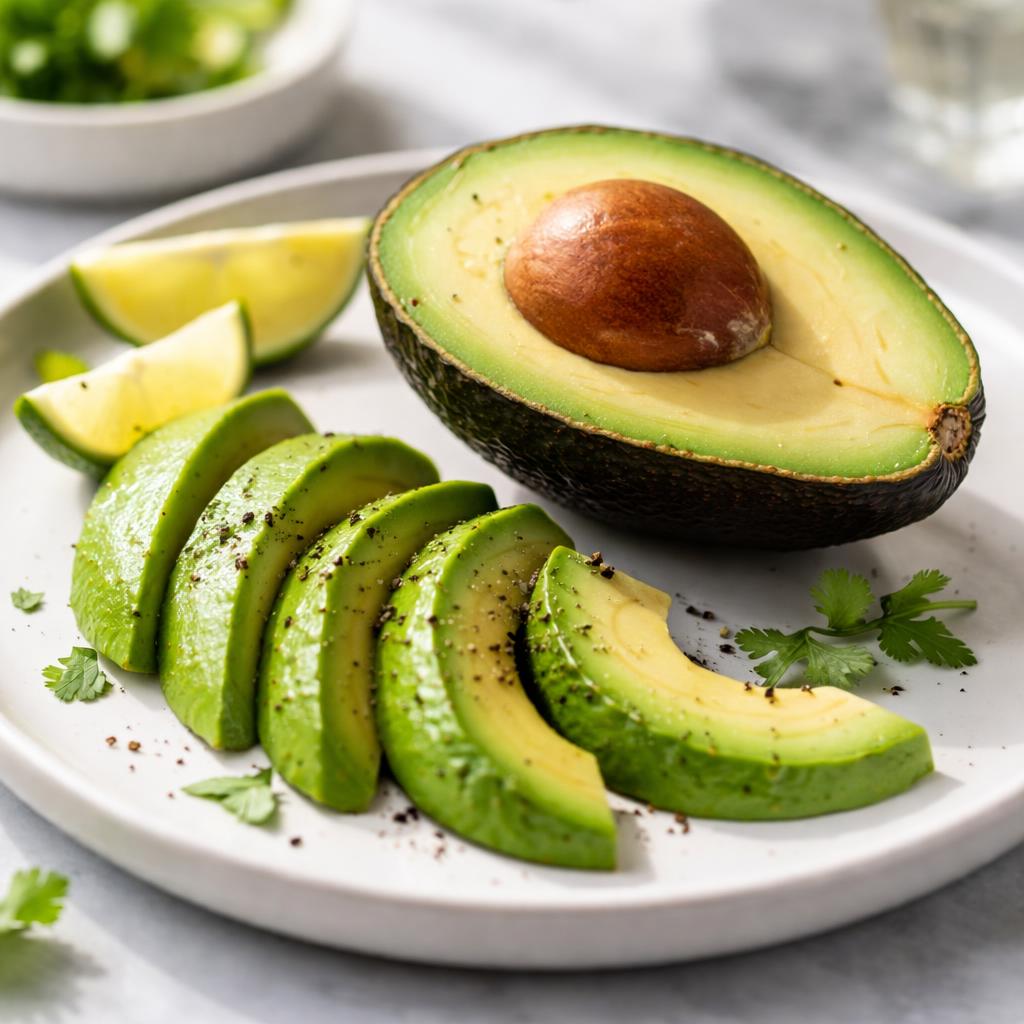
Avocado

Egg Salad
🎯 Quick Verdict
Avocado is lower in calories and higher in fiber, making it an excellent choice for digestion and weight management. Egg salad is significantly higher in protein and contains healthy fats, suitable for those aiming to build muscle or maintain energy levels. Both foods are nutrient-dense and offer complementary benefits depending on dietary needs.

Smart Nutrition Tracking with SnapCalorie

📊 Nutritional Comparison
Macronutrients
| Nutrient | Food 1 | Food 2 | Winner |
|---|---|---|---|
| Calories | 160 | 200 | ✓ |
| Protein | 2g | 8g | ✓ |
| Carbs | 8.5g | 2g | ✓ |
| Fat | 15g | 16g | ✓ |
| Fiber | 7g | 0.5g | ✓ |
Vitamins & Minerals
| Nutrient | Food 1 | Food 2 | Winner |
|---|---|---|---|
| Vitamin C | 10mg | 1mg | ✓ |
| Vitamin D | 0mcg | 2mcg | ✓ |
| Vitamin B6 | 0.3mg | 0.1mg | ✓ |
| Iron | 0.6mg | 1.2mg | ✓ |
| Potassium | 485mg | 70mg | ✓ |
🏆 Category Winners
Protein
Egg salad contains 4x more protein per serving compared to avocado.
Fiber
Avocado has a dramatic edge with 7g of fiber per serving versus only 0.5g for egg salad.
Calories
Avocado offers slightly fewer calories, making it a lighter choice.
Vitamins
Both foods excel in different areas: avocado is higher in Vitamin C and potassium, while egg salad exceeds in Vitamin D and iron.
🥗 Diet Compatibility
Keto
Food 1: Compatible
Food 2: Compatible
Both foods are high in healthy fats and low in carbs, fitting well into ketogenic diets.
Vegan
Food 1: Compatible
Food 2: Not Compatible
Avocado is plant-based while egg salad contains animal products.
Gluten Free
Food 1: Compatible
Food 2: Compatible
Neither food contains gluten ingredients.
Paleo
Food 1: Compatible
Food 2: Compatible
Both foods align with the Paleo criteria of whole, natural foods.
Low Carb
Food 1: Partially Compatible
Food 2: Compatible
Egg salad is very low in carbs (2g), while avocado has moderate carbs (8.5g).
💪 Health Benefits Comparison
Food 1 Benefits
- Rich in heart-healthy monounsaturated fats
- High in fiber for improved digestion and gut health
- Excellent source of potassium for maintaining blood pressure
- Contains antioxidants like lutein for eye health
Food 2 Benefits
- High in protein for muscle maintenance and satiety
- Source of Vitamin D for bone health
- Contains healthy fats supporting brain function and hormone regulation
- Provides choline, essential for brain development
✅ The Bottom Line
Both avocado and egg salad have distinct strengths. Choose avocado for fiber and heart health or egg salad for higher protein and essential nutrients like Vitamin D and choline. They complement each other well in balanced meals.
Choose Food 1 for: Weight management, digestion, vegan diets, heart health
Choose Food 2 for: Muscle building, energy maintenance, nutrient density, keto/low-carb diets


