Avocado VS Coconut Oil
A detailed nutritional comparison
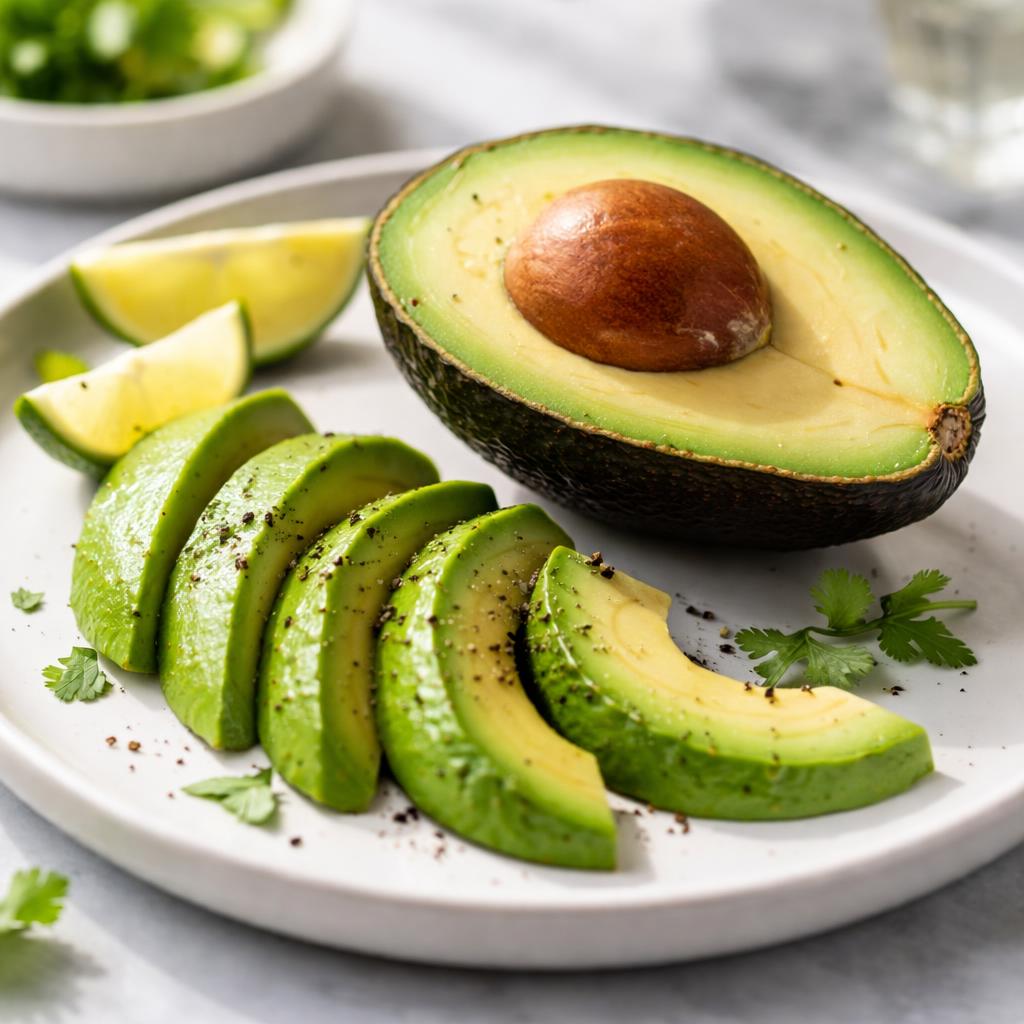
Avocado
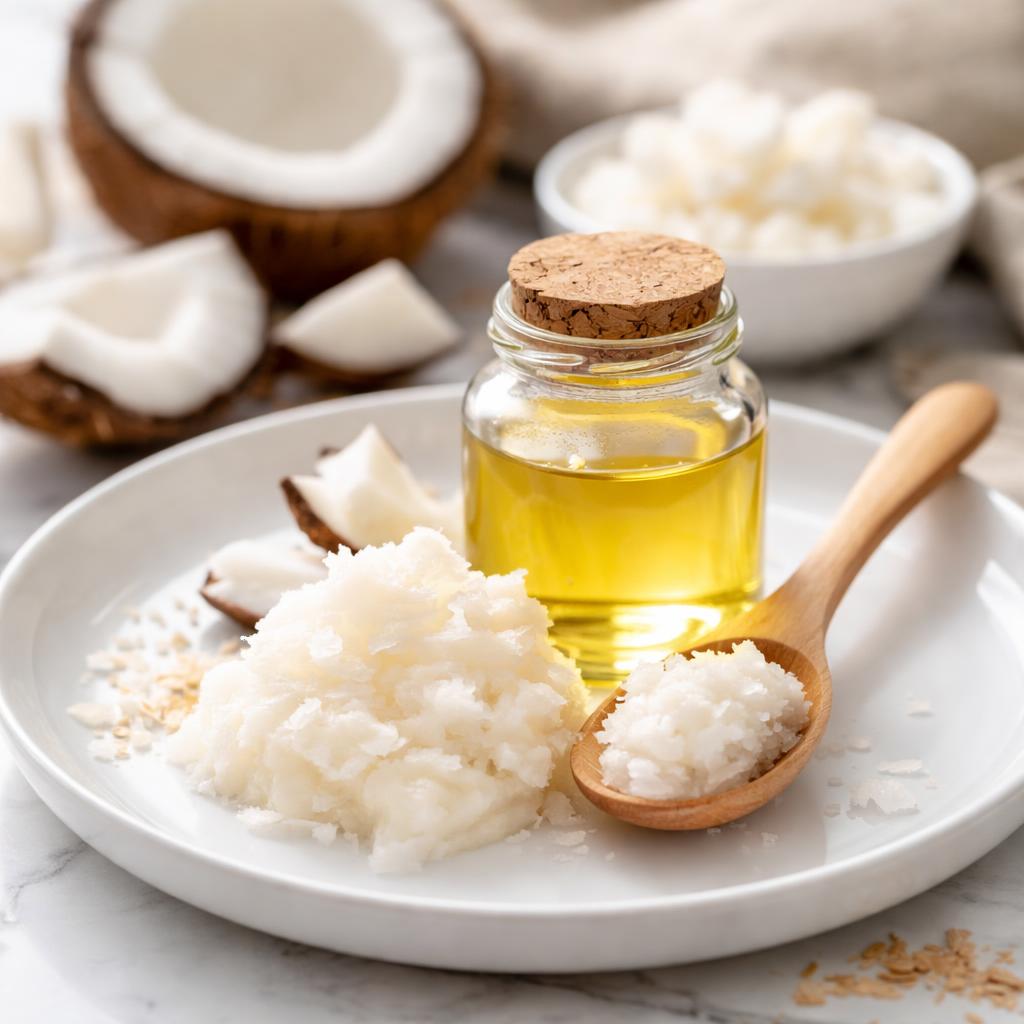
Coconut Oil
🎯 Quick Verdict
Avocados are nutrient-dense and high in fiber, vitamins, and protein compared to coconut oil, which is primarily fat and calorie-dense. Avocado makes a better choice for overall nutrition and versatility in meals, while coconut oil serves a specific purpose as a cooking fat with quick energy sources for keto diets.

Smart Nutrition Tracking with SnapCalorie

📊 Nutritional Comparison
Macronutrients
| Nutrient | Food 1 | Food 2 | Winner |
|---|---|---|---|
| Calories | 160 (per 100g) | 862 (per 100g) | ✓ |
| Protein | 2g | 0g | ✓ |
| Carbs | 8.5g | 0g | ✓ |
| Fat | 14.7g | 100g | ✓ |
| Fiber | 6.7g | 0g | ✓ |
Vitamins & Minerals
| Nutrient | Food 1 | Food 2 | Winner |
|---|---|---|---|
| Vitamin K | 21mcg | 0mcg | ✓ |
| Vitamin E | 2.1mg | 0mg | ✓ |
| Potassium | 485mg | 0mg | ✓ |
🏆 Category Winners
Protein
Avocado contains 2g of protein per 100g, while coconut oil has none.
Fiber
Avocado provides 6.7g of fiber per serving, whereas coconut oil contains no fiber.
Calories
Coconut oil is significantly more calorie-dense with 862 calories per 100g, making avocado the lower-calorie option.
🥗 Diet Compatibility
Keto
Food 1: Compatible
Food 2: Compatible
Both are high-fat, low-carb, making them suitable for keto diets.
Vegan
Food 1: Compatible
Food 2: Compatible
Both are plant-based and vegan-friendly.
Gluten Free
Food 1: Compatible
Food 2: Compatible
Neither food contains gluten.
Paleo
Food 1: Compatible
Food 2: Compatible
Both fit well in paleo diets focused on whole, unprocessed foods.
Low-Carb
Food 1: Compatible
Food 2: Compatible
Coconut oil is entirely carb-free, while avocado is relatively low-carb with 8.5g per 100g.
💪 Health Benefits Comparison
Food 1 Benefits
- Excellent source of heart-healthy monounsaturated fats
- High in fiber for improved digestion
- Rich in potassium, supporting healthy blood pressure
- Provides antioxidants like vitamin E and lutein for skin and eye health
Food 2 Benefits
- Contains medium-chain triglycerides (MCTs) for quick energy
- Supports brain health and ketosis for low-carb diets
- May have antimicrobial properties due to lauric acid
- Suitable high-heat cooking oil for frying and baking
✅ The Bottom Line
Avocado is a nutrient powerhouse, ideal for adding fiber, protein, and healthy fats to meals, while coconut oil is a concentrated fat source primarily suited for keto or paleo diets and cooking purposes. Avocado is the better everyday choice for overall nutrition, while coconut oil is best for specific dietary strategies like keto or high-fat requirements.
Choose Food 1 for: General health, weight management, heart health, digestion support
Choose Food 2 for: Keto, high-fat diets, cooking high-heat meals, quick energy


