Avocado VS Chia Seeds
A detailed nutritional comparison
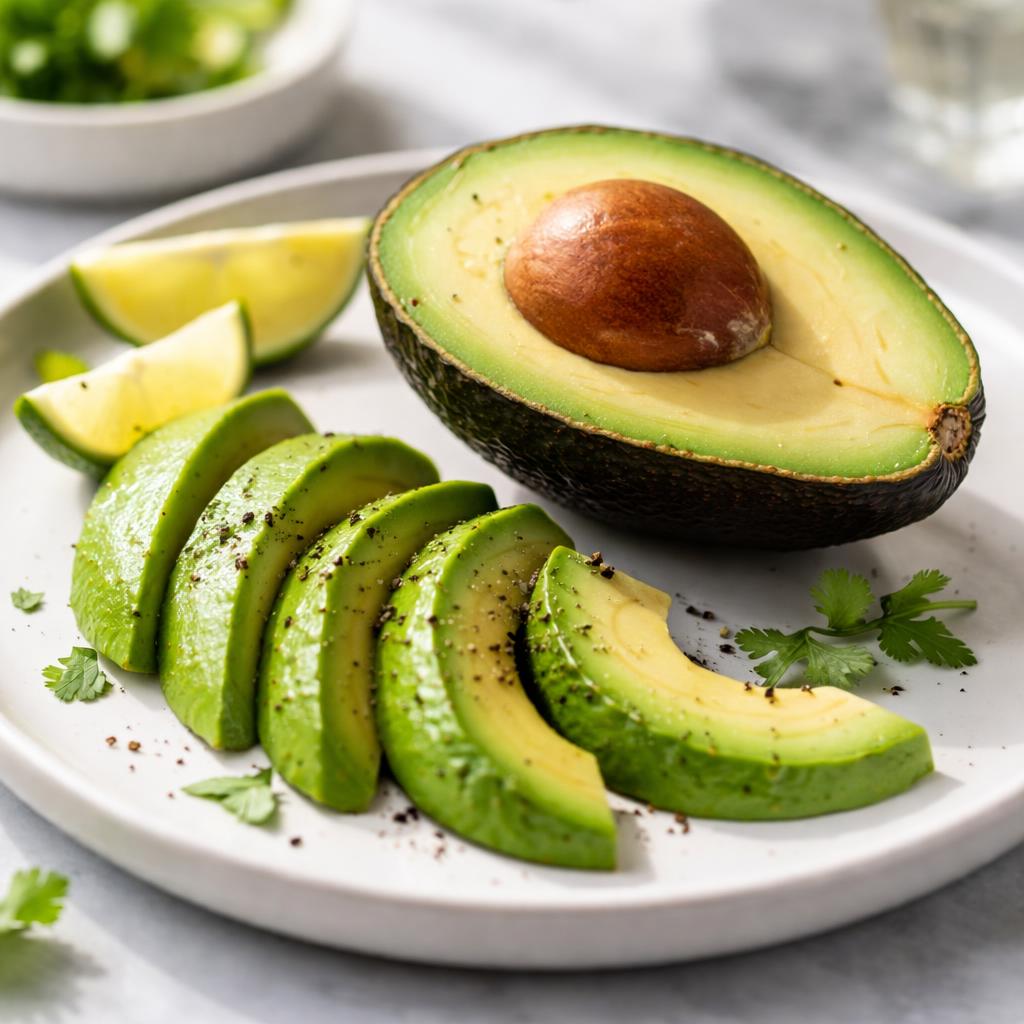
Avocado
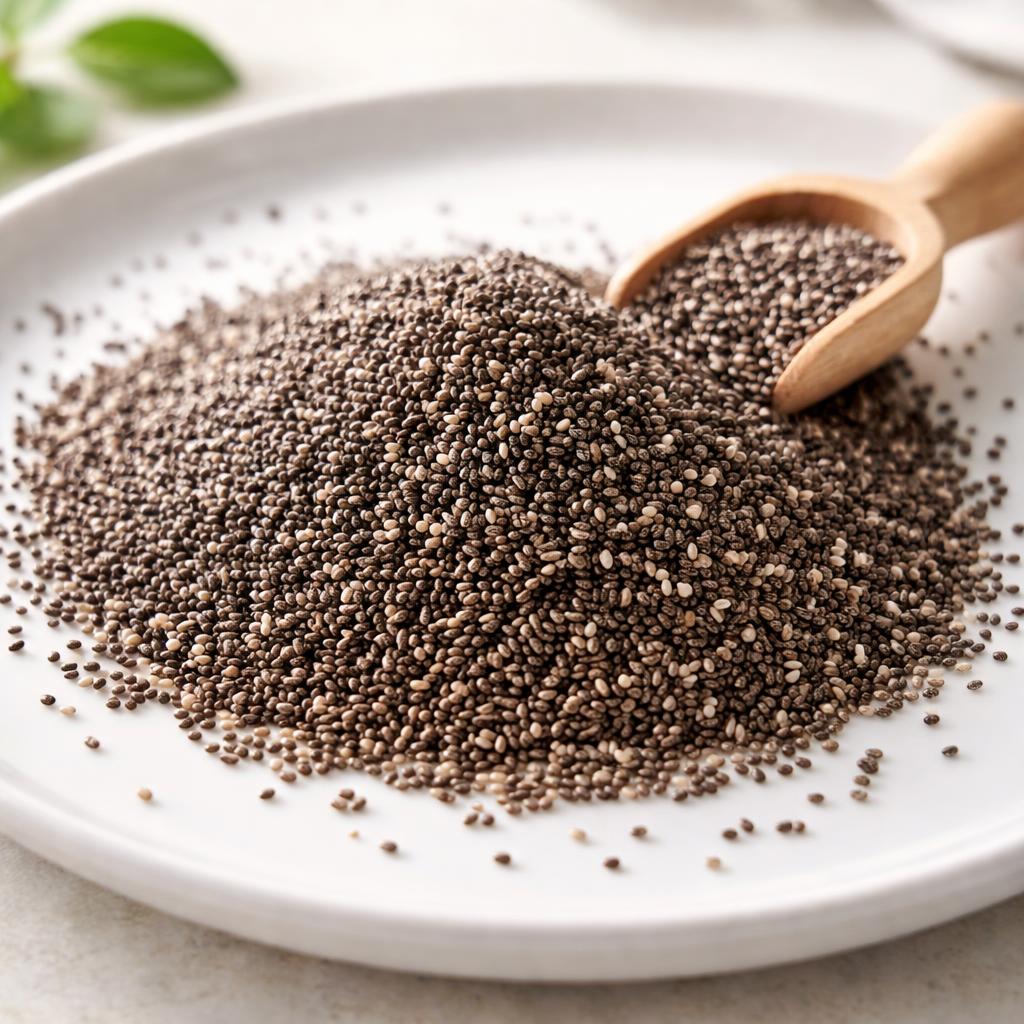
Chia Seeds
🎯 Quick Verdict
Avocado is lower in calories and fats are mainly heart-healthy monounsaturated fats, making it great for energy and satiety. Chia seeds, on the other hand, pack significantly more protein and fiber per serving and offer a more concentrated source of minerals and omega-3 fatty acids, ideal for nutrient density and digestive health. Both are excellent for their own unique dietary purposes.

Smart Nutrition Tracking with SnapCalorie

📊 Nutritional Comparison
Macronutrients
| Nutrient | Food 1 | Food 2 | Winner |
|---|---|---|---|
| Calories | 160 (per 100g) | 486 (per 100g) | − |
| Protein | 2g (per 100g) | 16g (per 100g) | − |
| Carbs | 9g (per 100g) | 42g (per 100g) | − |
| Fat | 15g (per 100g) | 31g (per 100g) | − |
| Fiber | 7g (per 100g) | 34g (per 100g) | − |
Vitamins & Minerals
| Nutrient | Food 1 | Food 2 | Winner |
|---|---|---|---|
| Vitamin C | 10mg (11% DV) | 0.6mg (1% DV) | − |
| Vitamin D | 0mcg | 0mcg | − |
| Calcium | 10mg (1% DV) | 631mg (63% DV) | − |
| Iron | 0.55mg (3% DV) | 7.7mg (43% DV) | − |
| Potassium | 485mg (10% DV) | 407mg (9% DV) | − |
🏆 Category Winners
Protein
Chia seeds contain 8x more protein than avocado per 100g.
Fiber
Chia seeds are extremely high-fiber, offering nearly 5x more fiber than avocado.
Calories
Avocado contains significantly fewer calories per 100g.
Vitamins
Chia seeds win for calcium and iron concentrations, but avocado excels in vitamin C and potassium.
🥗 Diet Compatibility
Keto
Food 1: Compatible
Food 2: Compatible
Both are keto-friendly due to their low net carbs relative to fat and protein values.
Vegan
Food 1: Compatible
Food 2: Compatible
Both foods are plant-based and vegan-friendly.
Gluten Free
Food 1: Compatible
Food 2: Compatible
Neither food contains gluten.
Paleo
Food 1: Compatible
Food 2: Compatible
Both qualify as paleo-friendly whole foods.
Low-Carb
Food 1: Compatible
Food 2: Partially Compatible
Avocado is extremely low-carb, while chia seeds are moderately high-carb but offer high fiber to reduce net carbs.
💪 Health Benefits Comparison
Food 1 Benefits
- Rich in heart-healthy monounsaturated fats.
- Excellent source of potassium for blood pressure regulation.
- Contains vitamin C for immune system support.
- Provides natural anti-inflammatory benefits.
Food 2 Benefits
- High in soluble fiber for digestive health and weight management.
- Source of plant-based complete protein.
- Rich in omega-3 fatty acids for brain and heart health.
- Contains high levels of calcium and iron for bone and blood health.
✅ The Bottom Line
Avocado is ideal for those seeking a creamy, satiating source of healthy fats and potassium in fewer calories. Chia seeds are a nutrient-dense powerhouse, especially for fiber, protein, and omega-3 benefits, making them ideal for energy, digestive health, and vegan diets.
Choose Food 1 for: Low-calorie diets, heart health, anti-inflammatory benefits
Choose Food 2 for: Fiber intake, plant-based protein needs, omega-3 supplementation


