Apple VS Yogurt Sauce
A detailed nutritional comparison
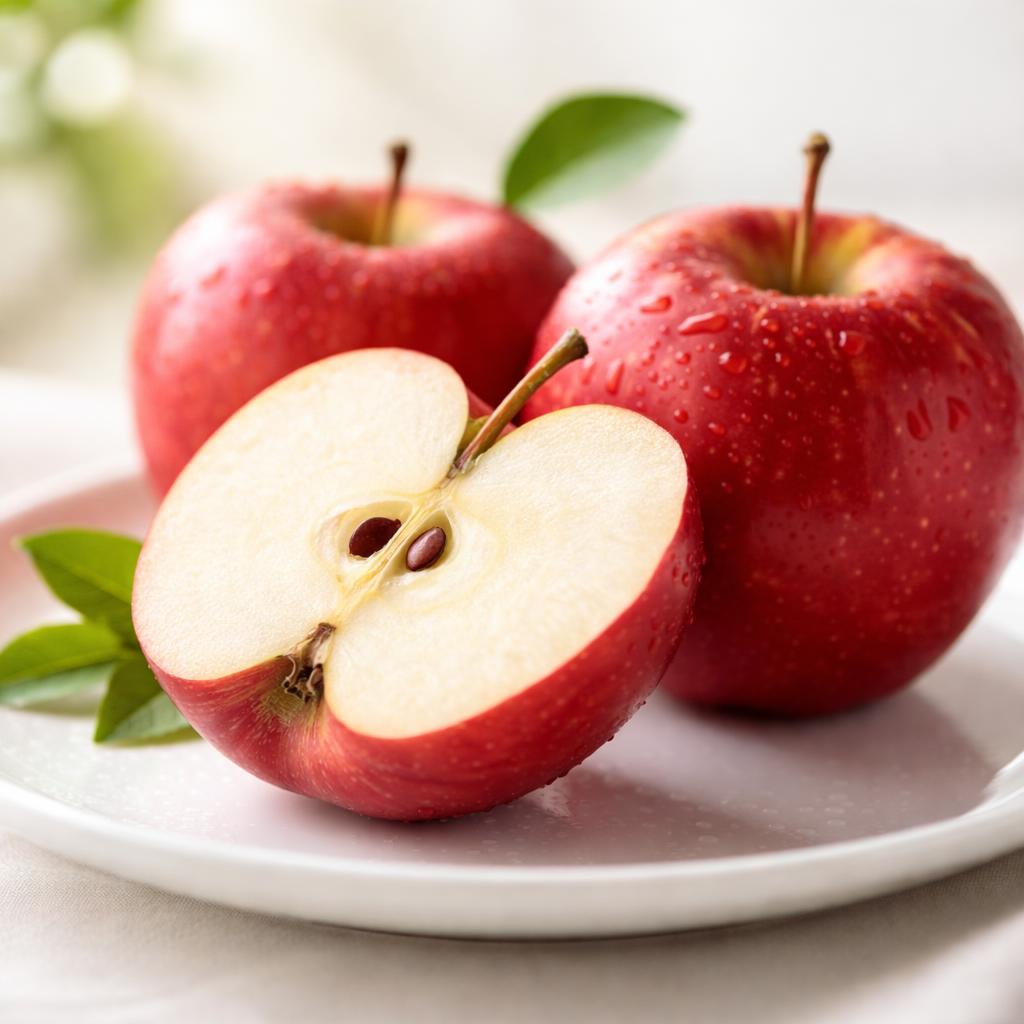
Apple

Yogurt Sauce
🎯 Quick Verdict
Apples are lower in calories, higher in fiber, and rich in vitamin C, making them a great choice for snacking and digestion. Yogurt sauce provides more protein and calcium, rendering it useful as a topping to complement meals and boost nutrient density. Each has distinct strengths depending on dietary priorities.

Smart Nutrition Tracking with SnapCalorie

📊 Nutritional Comparison
Macronutrients
| Nutrient | Food 1 | Food 2 | Winner |
|---|---|---|---|
| Calories | 95 | 120 | ✓ |
| Protein | 0.5g | 5g | ✓ |
| Carbs | 25g | 9g | ✓ |
| Fat | 0.3g | 4g | ✓ |
| Fiber | 4g | 0g | ✓ |
Vitamins & Minerals
| Nutrient | Food 1 | Food 2 | Winner |
|---|---|---|---|
| Vitamin C | 8.4mg | 0mg | ✓ |
| Calcium | 10mg | 125mg | ✓ |
| Potassium | 195mg | 150mg | ✓ |
🏆 Category Winners
Protein
Yogurt sauce has 10 times more protein than apples.
Fiber
Apples have 4g of fiber while yogurt sauce contains none.
Calories
Apples are lower in calories by 25% compared to yogurt sauce.
🥗 Diet Compatibility
Keto
Food 1: Not Compatible
Food 2: Compatible
Yogurt sauce is lower in carbs, suitable for keto.
Vegan
Food 1: Compatible
Food 2: Not Compatible
Apples are plant-based, while yogurt sauce typically contains dairy.
Gluten Free
Food 1: Compatible
Food 2: Compatible
Neither food contains gluten.
Paleo
Food 1: Compatible
Food 2: Not Compatible
Apples fit into a whole-food paleo diet, but yogurt sauce may contain dairy and additives.
Low Carb
Food 1: Not Compatible
Food 2: Compatible
Yogurt sauce is significantly lower in carbohydrates compared to apples.
💪 Health Benefits Comparison
Food 1 Benefits
- Rich source of dietary fiber for gut health
- High in vitamin C to support immune function
- Contains naturally occurring antioxidants
- Low calorie, suitable for weight management
Food 2 Benefits
- Good source of protein for muscle repair and maintenance
- High calcium content supports healthy bones and teeth
- Contains probiotics, beneficial for digestive health (if made with live cultures)
- Lower carbohydrate option suitable for low-carb diets
✅ The Bottom Line
Apples are ideal for those focused on weight management, fiber intake, and snacking. Yogurt sauce excels as a protein and calcium-rich condiment, especially for people seeking to complement meals with heartier nutrients. Each food serves distinct dietary roles depending on individual goals.
Choose Food 1 for: Snacking, digestion, immune support, whole-food diets
Choose Food 2 for: Meal enhancement, protein-rich diets, low-carb eating, bone health


