Apple VS Vinegar
A detailed nutritional comparison
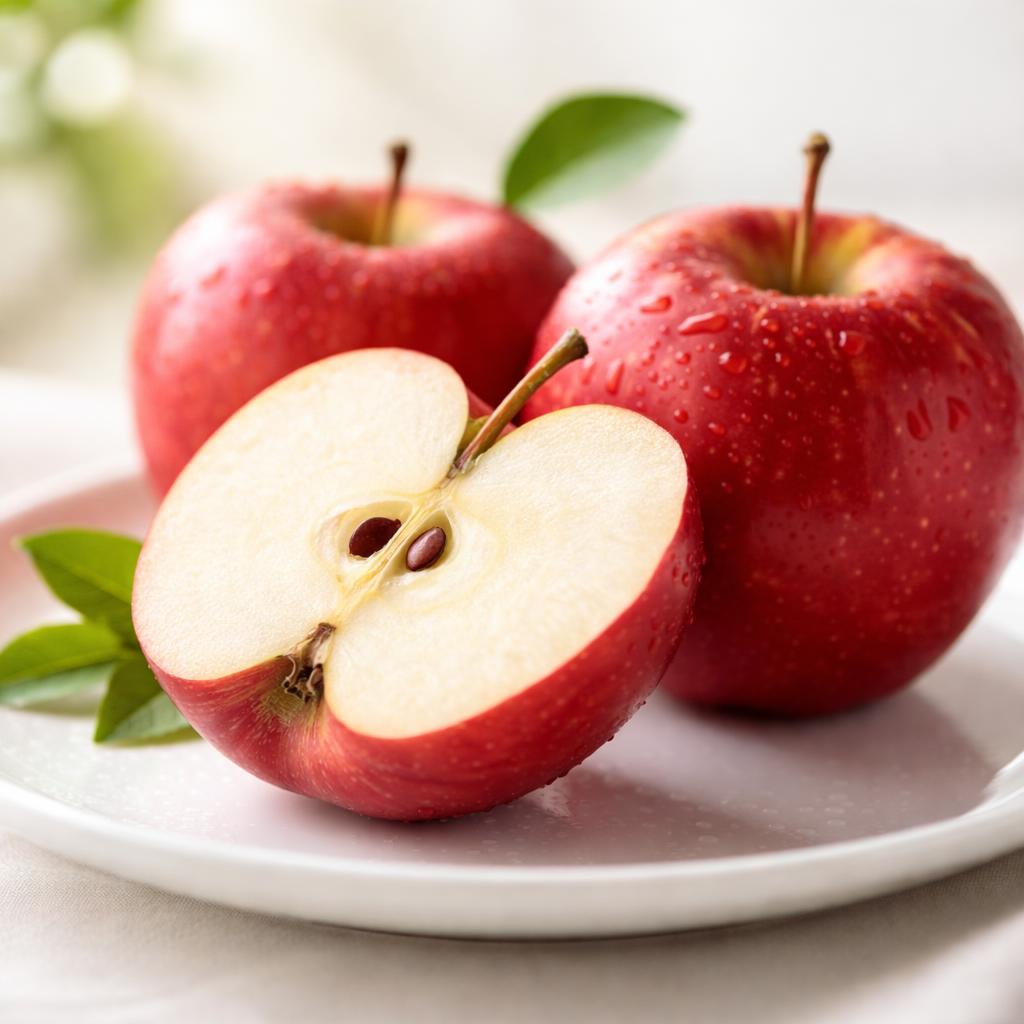
Apple
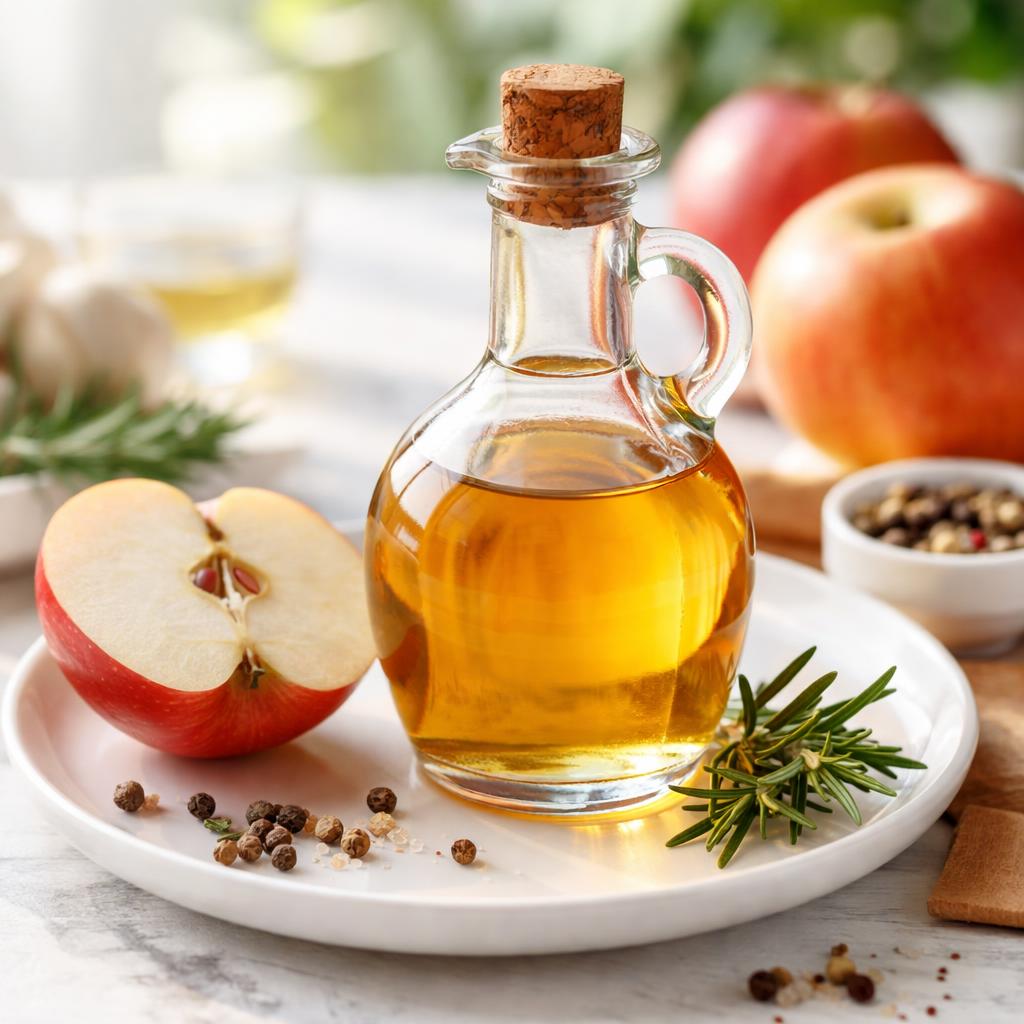
Vinegar
🎯 Quick Verdict
Apples and vinegar differ significantly in nutrition and use cases. Apples provide fiber, natural sugars, and some vitamins, making them great for snacking and digestion. Vinegar, on the other hand, is low-calorie, with trace minerals and acetic acid, but lacks macronutrients. It's excellent for flavor enhancement and aiding digestion in small amounts.

Smart Nutrition Tracking with SnapCalorie

📊 Nutritional Comparison
Macronutrients
| Nutrient | Food 1 | Food 2 | Winner |
|---|---|---|---|
| Calories | 95 | 3 | ✓ |
| Protein | 0.5g | 0g | − |
| Carbs | 25g | 0g | ✓ |
| Fat | 0.3g | 0g | ✓ |
| Fiber | 4g | 0g | ✓ |
Vitamins & Minerals
| Nutrient | Food 1 | Food 2 | Winner |
|---|---|---|---|
| Vitamin C | 8mg | trace amounts | ✓ |
| Potassium | 195mg | 1mg | ✓ |
| Calcium | 6mg | 1mg | ✓ |
| Iron | 0.1mg | trace amounts | ✓ |
🏆 Category Winners
Protein
Both foods have negligible protein content.
Fiber
Apples provide 4g of fiber per serving, while vinegar contains none.
Calories
Vinegar has only 3 calories per tablespoon compared to 95 calories from an average apple.
Vitamins
Apples contain higher levels of Vitamin C, potassium, and other essential nutrients compared to vinegar.
🥗 Diet Compatibility
Keto
Food 1: Not Compatible
Food 2: Compatible
Apples are high in carbs, while vinegar contains zero carbohydrates.
Vegan
Food 1: Compatible
Food 2: Compatible
Both foods are entirely plant-based and suitable for vegans.
Gluten Free
Food 1: Compatible
Food 2: Compatible
Neither food contains gluten.
Paleo
Food 1: Compatible
Food 2: Compatible
Both apple and vinegar are paleo-friendly.
Low Carb
Food 1: Not Compatible
Food 2: Compatible
Apples are relatively high in carbs, while vinegar is low-carb.
💪 Health Benefits Comparison
Food 1 Benefits
- High in dietary fiber for improved digestion
- Rich in antioxidants to combat oxidative stress
- Provides Vitamin C for immune health
- Contains natural sugars for energy
Food 2 Benefits
- Supports digestion with acetic acid
- Low-calorie option for weight management
- May help regulate blood sugar levels
- Contains trace minerals for general health
✅ The Bottom Line
Choose apples for a nutritious, high-fiber snack or when you need a source of energy and antioxidants. Opt for vinegar if you're looking for a low-calorie addition to meals or want to aid digestion and blood sugar control.
Choose Food 1 for: Snacking, digestion improvement, antioxidant intake
Choose Food 2 for: Flavor enhancement, weight control, blood sugar regulation


