Apple VS Sweet Potatoes
A detailed nutritional comparison
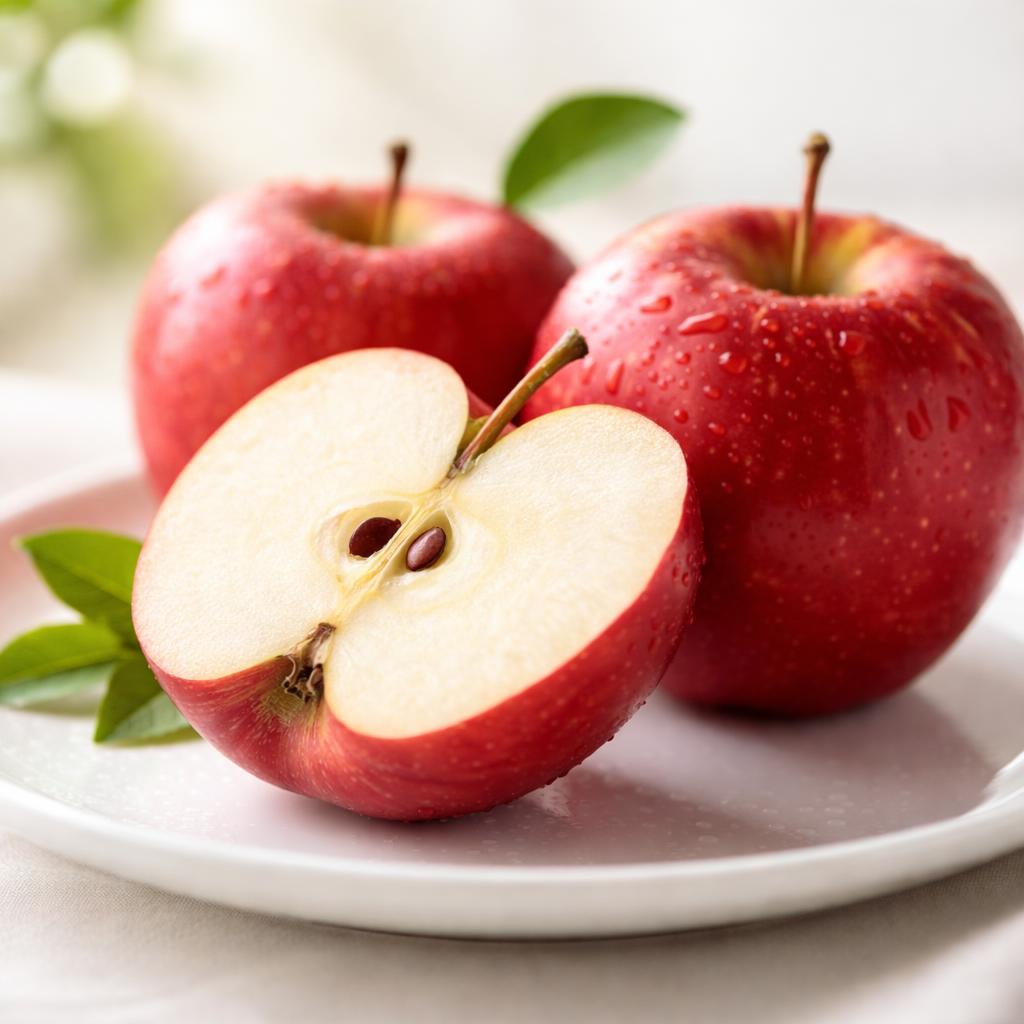
Apple
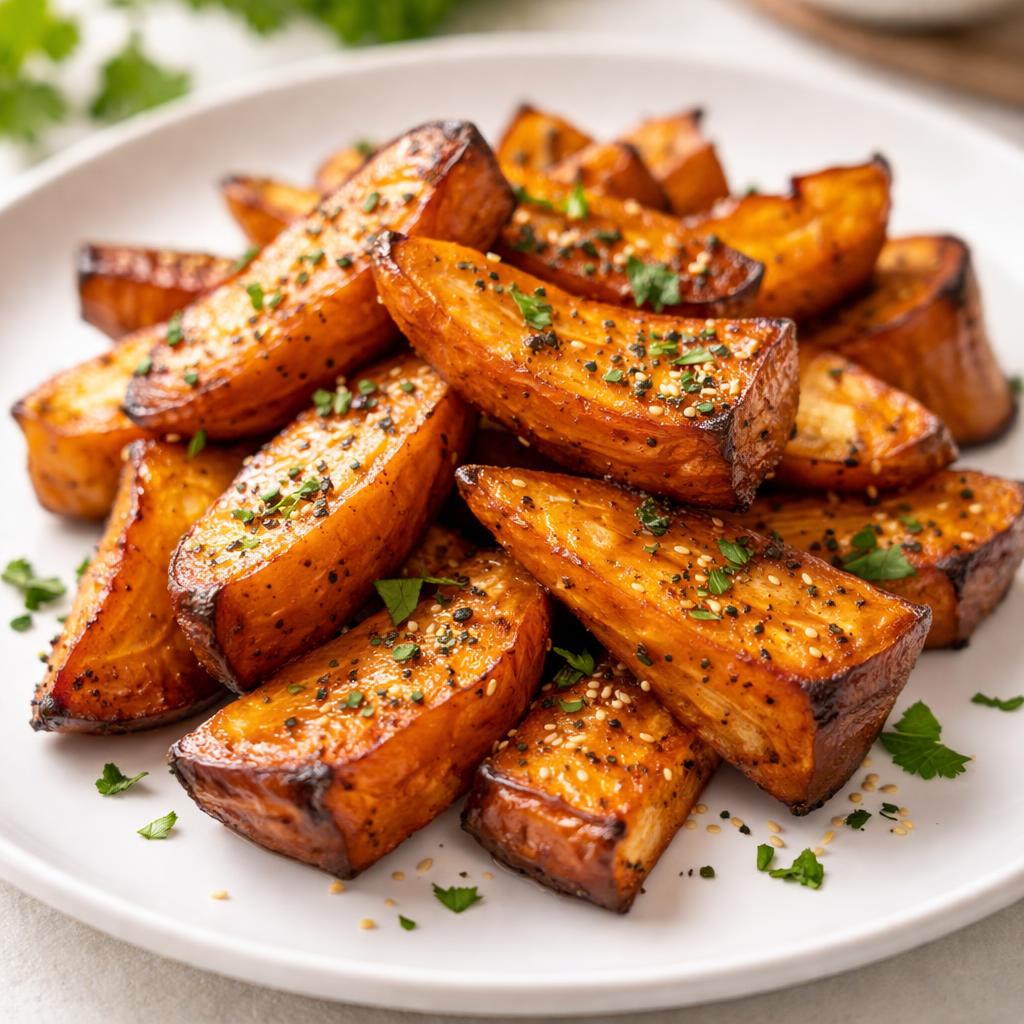
Sweet Potatoes
🎯 Quick Verdict
Sweet potatoes generally offer more nutrients per serving, including higher protein, fiber, and vitamin A compared to apples. Apples are lower in carbs and provide a hydrating, quick snack. Sweet potatoes are better suited for complex carbohydrates and micronutrient density in meals, making them ideal for sustaining energy and supporting overall health.

Smart Nutrition Tracking with SnapCalorie

📊 Nutritional Comparison
Macronutrients
| Nutrient | Food 1 | Food 2 | Winner |
|---|---|---|---|
| Calories | 95 | 100 | − |
| Protein | 0.5g | 2g | − |
| Carbs | 25g | 23g | − |
| Fat | 0.3g | 0.1g | − |
| Fiber | 4g | 3g | − |
Vitamins & Minerals
| Nutrient | Food 1 | Food 2 | Winner |
|---|---|---|---|
| Vitamin A | 0 IU | 19218 IU | − |
| Vitamin C | 8.4mg | 2.4mg | − |
| Potassium | 195mg | 438mg | − |
| Iron | 0.2mg | 0.7mg | − |
🏆 Category Winners
Protein
Sweet potatoes contain 300% more protein per serving compared to apples.
Fiber
Apples contain 33% more fiber, beneficial for digestion.
Calories
Both foods provide nearly equal calories, suitable for energy balance.
Vitamins
Sweet potatoes are a rich source of vitamin A, potassium, and iron, whereas apples excel in vitamin C.
🥗 Diet Compatibility
Keto
Food 1: Not Compatible
Food 2: Not Compatible
Both are too high in carbs for a strict keto diet.
Vegan
Food 1: Compatible
Food 2: Compatible
Both are plant-based and ideal for vegan diets.
Gluten Free
Food 1: Compatible
Food 2: Compatible
Naturally gluten-free, suitable for those avoiding gluten.
Paleo
Food 1: Compatible
Food 2: Compatible
Both are allowed on a paleo diet, offering natural, whole-food carbohydrates.
Low-Carb
Food 1: Partially Compatible
Food 2: Partially Compatible
Both contain moderate carbs—not ideal for strict low-carb diets but feasible for relaxed carb limits.
💪 Health Benefits Comparison
Food 1 Benefits
- Rich in antioxidants like flavonoids and vitamin C, promoting immune health
- Good source of dietary fiber for digestion and satiety
- Contains naturally hydrating properties due to high water content
Food 2 Benefits
- Provides a significant amount of vitamin A for vision and skin health
- Rich in potassium to support heart and muscle function
- Offers complex carbohydrates for sustained energy throughout the day
✅ The Bottom Line
Apples are best for quick, convenient snacking, hydration, and digestion, while sweet potatoes excel as a nutrient-dense, filling food for meals or energy replenishment. Both have specific strengths based on your dietary needs.
Choose Food 1 for: Snack, digestion, hydration, portable energy source
Choose Food 2 for: Nutrient-dense meals, vitamin A boost, energy sustenance


