Apple VS Sugar
A detailed nutritional comparison
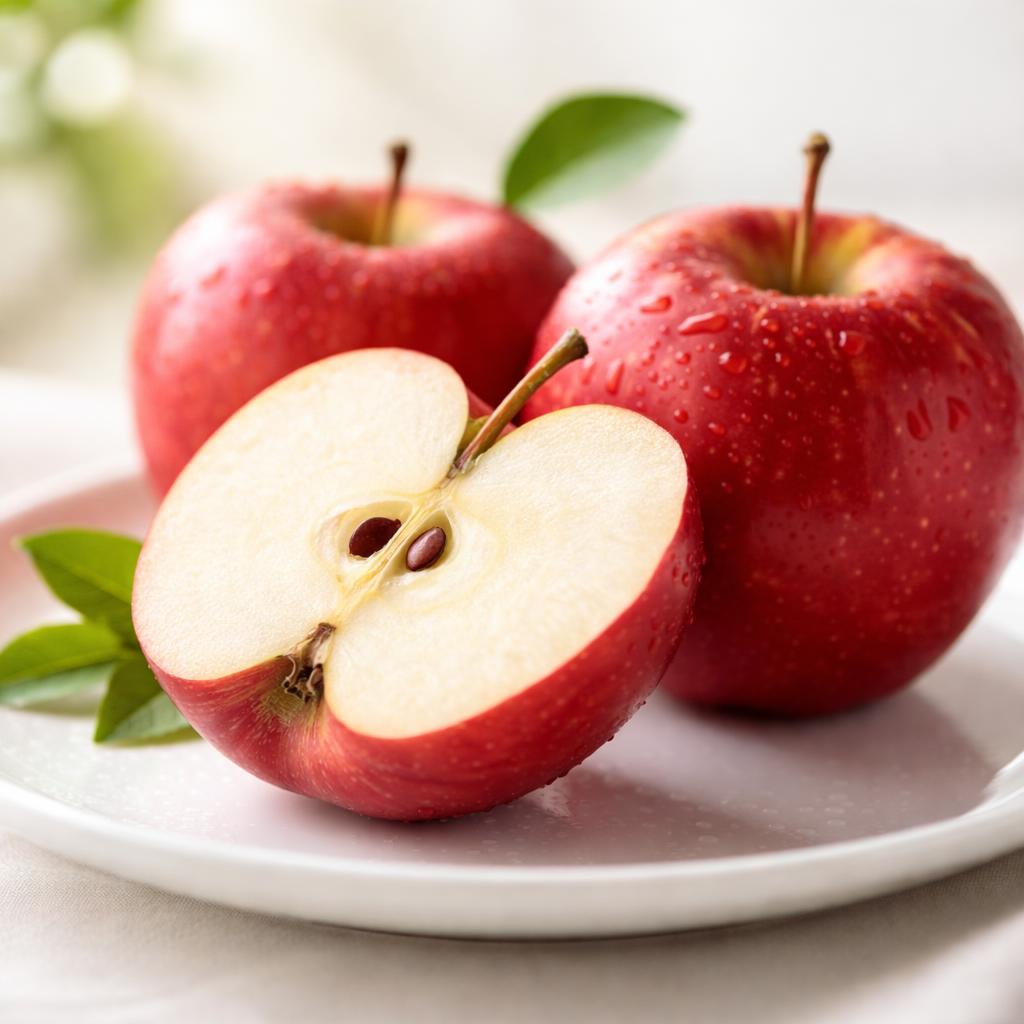
Apple
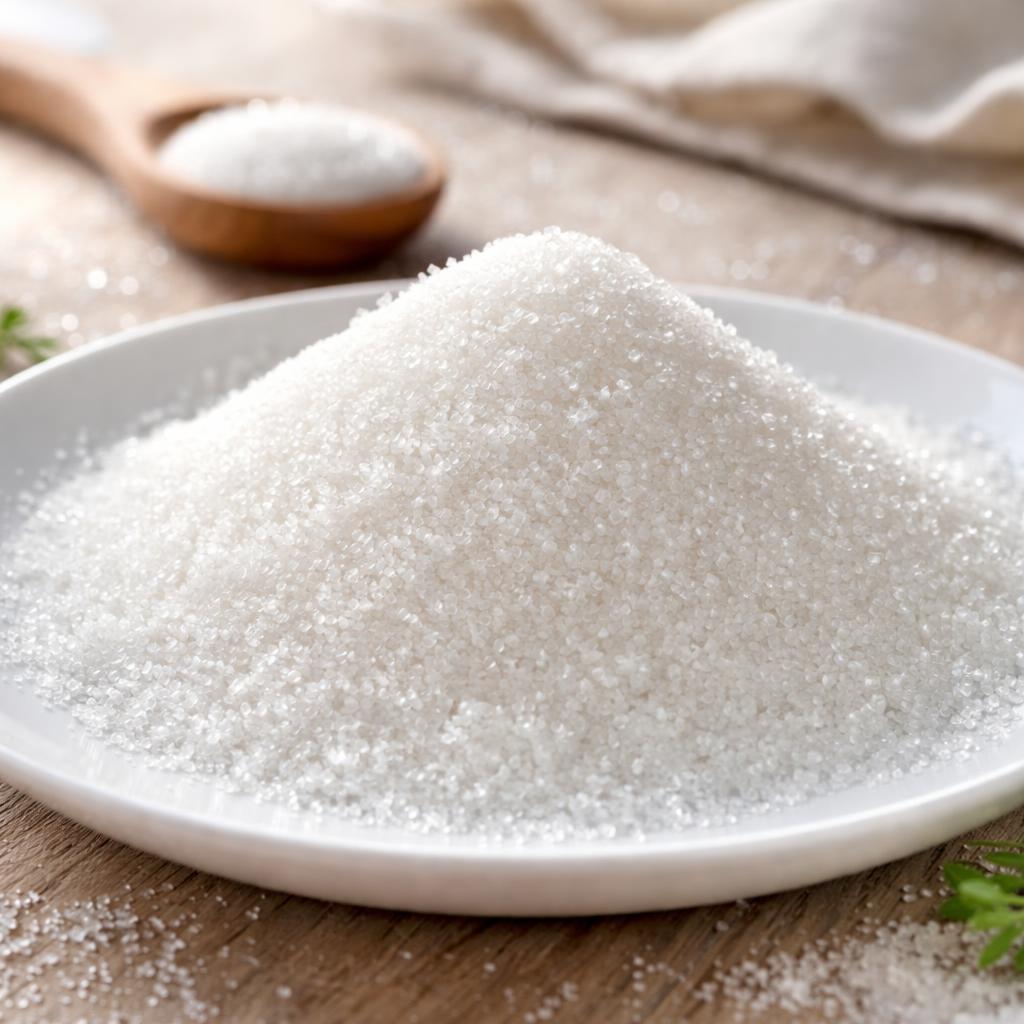
Sugar
🎯 Quick Verdict
Apples are far superior to sugar in terms of overall nutrition, offering fiber, vitamins, and lower calorie density. Sugar, while lower in calories per serving, lacks nutrients and provides empty calories, making it less suitable for regular consumption except for quick bursts of energy.

Smart Nutrition Tracking with SnapCalorie

📊 Nutritional Comparison
Macronutrients
| Nutrient | Food 1 | Food 2 | Winner |
|---|---|---|---|
| Calories | 95 | 50 (per tablespoon) | ✓ |
| Protein | 0.5g | 0g | ✓ |
| Carbs | 25g | 13g (per tablespoon) | ✓ |
| Fat | 0g | 0g | − |
| Fiber | 4.4g | 0g | ✓ |
Vitamins & Minerals
| Nutrient | Food 1 | Food 2 | Winner |
|---|---|---|---|
| Vitamin C | 8.4mg | 0mg | ✓ |
| Potassium | 195mg | 0mg | ✓ |
| Vitamin A | 3mcg | 0mcg | ✓ |
🏆 Category Winners
Protein
Apples provide some protein, while sugar contains none.
Fiber
Apples are a good source of fiber (4.4g per serving), while sugar offers none.
Calories
Sugar has fewer calories per tablespoon compared to a whole apple.
🥗 Diet Compatibility
Keto
Food 1: Not Compatible
Food 2: Compatible
Sugar is carb-heavy but fits keto diets in small amounts. Apples are too high in carbs for keto.
Vegan
Food 1: Compatible
Food 2: Compatible
Both foods are plant-based.
Gluten Free
Food 1: Compatible
Food 2: Compatible
Neither contains gluten.
Paleo
Food 1: Compatible
Food 2: Not Compatible
Apples are naturally occurring and paleo-friendly, while processed sugar is not.
Low-Carb
Food 1: Not Compatible
Food 2: Compatible
Sugar has fewer carbs per serving compared to apples.
💪 Health Benefits Comparison
Food 1 Benefits
- Rich in fiber to support digestive health
- Good source of vitamin C for immune function
- Provides natural sugars with lower calories than processed sugars
- Contains antioxidants for overall health
Food 2 Benefits
- Quick source of energy via glucose
- Can be used to rapidly boost blood sugar levels
- No fats; purely carbohydrate energy
✅ The Bottom Line
Apples are the clear winner for overall nutrition, offering fiber, vitamins, and natural sugars that are healthier in comparison to processed sugar. Sugar may be useful for quick energy bursts or in baking, but reliance should be minimized due to its lack of nutrients.
Choose Food 1 for: Digestive health, balanced snacking, natural sweetness
Choose Food 2 for: Quick energy boosts, desserts, occasional use


