Apple VS Shredded Cabbage
A detailed nutritional comparison
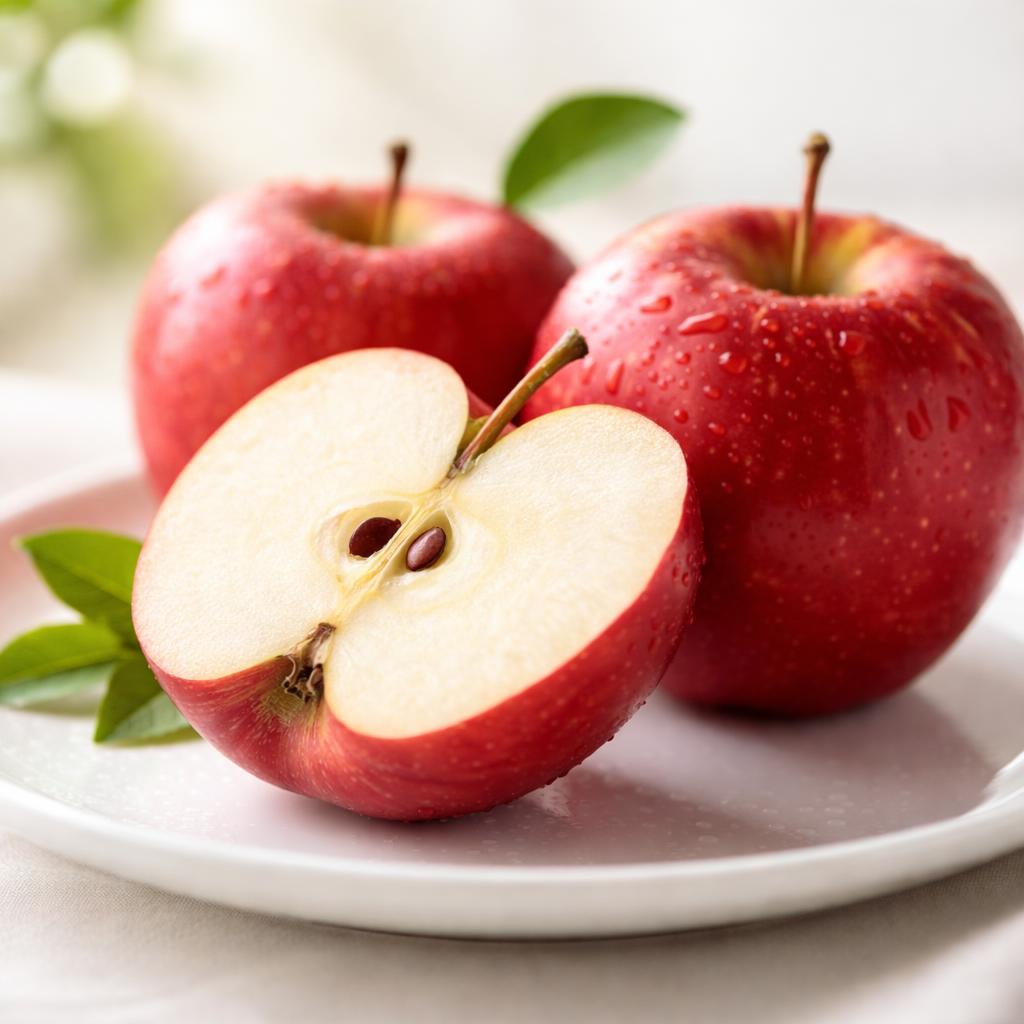
Apple
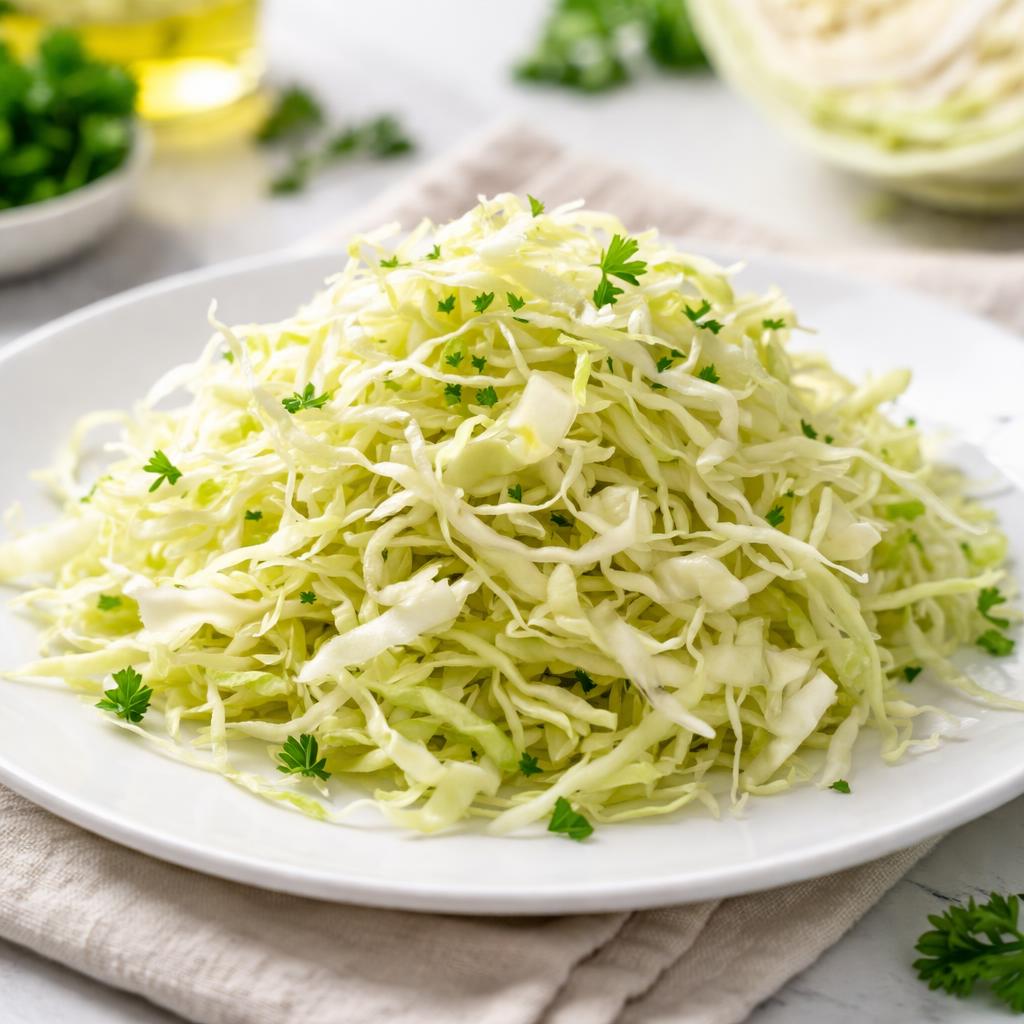
Shredded Cabbage
🎯 Quick Verdict
Apples are slightly higher in carbohydrates and sugar, providing quick energy, while shredded cabbage is lower in calories and richer in fiber, making it ideal for weight management and digestive health. Both foods are versatile and fit into most dietary plans, but cabbage has more overall nutrient density per calorie, especially in terms of vitamins and minerals.

Smart Nutrition Tracking with SnapCalorie

📊 Nutritional Comparison
Macronutrients
| Nutrient | Food 1 | Food 2 | Winner |
|---|---|---|---|
| Calories | 95 (1 medium apple) | 22 (1 cup shredded cabbage) | − |
| Protein | 0.5g | 1g | − |
| Carbs | 25g | 5g | − |
| Fat | 0.3g | 0.2g | − |
| Fiber | 4g | 2g | − |
Vitamins & Minerals
| Nutrient | Food 1 | Food 2 | Winner |
|---|---|---|---|
| Vitamin C | 8.4mg | 34mg | − |
| Vitamin A | 3mcg | 25mcg | − |
| Calcium | 11mg | 36mg | − |
| Potassium | 195mg | 151mg | − |
| Iron | 0.2mg | 0.4mg | − |
🏆 Category Winners
Protein
Shredded cabbage has twice as much protein per serving.
Fiber
Apples contain 2g more fiber per serving than shredded cabbage.
Calories
Shredded cabbage has 75% fewer calories per serving compared to an apple.
Vitamins
Shredded cabbage is richer in Vitamin C, Vitamin A, and calcium compared to apples.
🥗 Diet Compatibility
Keto
Food 1: Not Compatible
Food 2: Compatible
Cabbage is low-carb (5g per serving), while apples are higher in sugar and carbs.
Vegan
Food 1: Compatible
Food 2: Compatible
Both are plant-based foods suitable for vegan diets.
Gluten Free
Food 1: Compatible
Food 2: Compatible
Neither food contains gluten.
Paleo
Food 1: Compatible
Food 2: Compatible
Both are whole foods allowed on a paleo diet.
Low-Carb
Food 1: Not Compatible
Food 2: Compatible
Apples are higher in sugars, while cabbage is low in carbs and fits low-carb diets.
💪 Health Benefits Comparison
Food 1 Benefits
- Rich in antioxidants for cellular health
- Helps support digestion due to natural fiber
- Provides quick energy through natural sugars
- Contains flavonoids for heart health
Food 2 Benefits
- Excellent source of Vitamin C for immunity
- Rich in fiber for gut health
- Low-calorie option for weight management
- Contains sulfur-based compounds for anti-inflammatory benefits
✅ The Bottom Line
Choose apples for a quick energy boost, fiber, and a sweet snack. Pick shredded cabbage for weight loss, low-carb meals, and nutrient density. Both foods are versatile and should be part of a healthy diet.
Choose Food 1 for: Quick snacking, digestive health, antioxidant benefits
Choose Food 2 for: Weight management, low-calorie diets, immune support


