Apple VS Shredded Beef
A detailed nutritional comparison
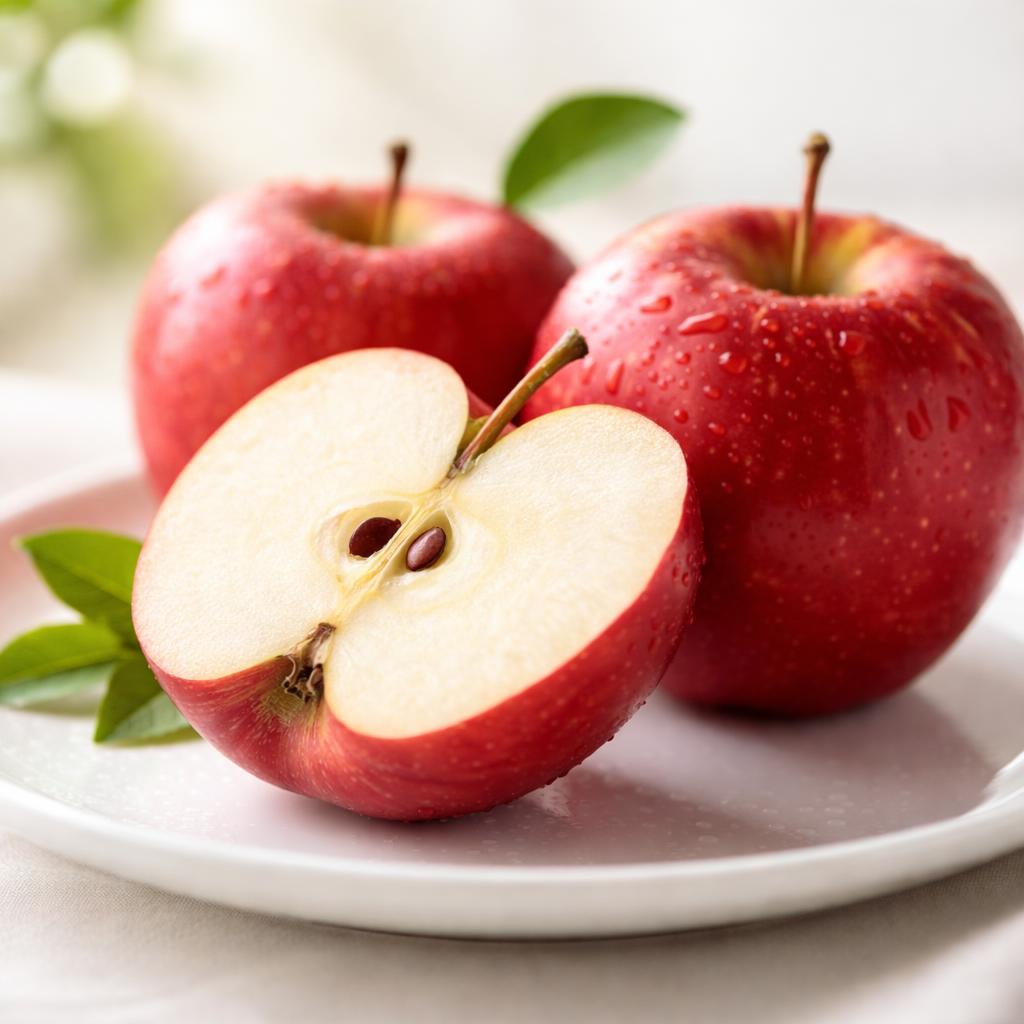
Apple
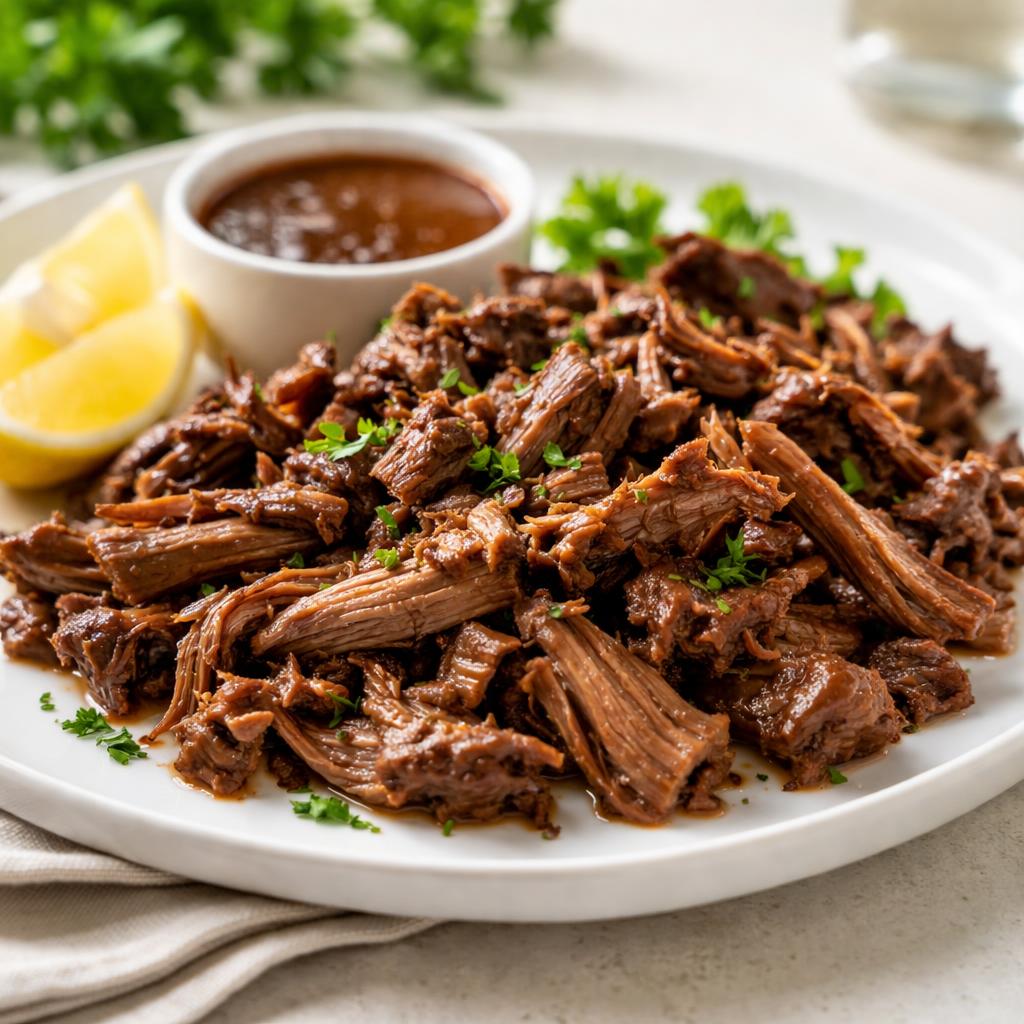
Shredded Beef
🎯 Quick Verdict
Apples are a low-calorie, high-fiber fruit that provides vitamins and antioxidants, making them ideal for snacking and supporting digestion. Shredded beef is rich in protein, iron, and healthy fats, making it beneficial for muscle growth, energy, and nutrient-dense meals. Each food serves a distinct purpose in a balanced diet.

Smart Nutrition Tracking with SnapCalorie

📊 Nutritional Comparison
Macronutrients
| Nutrient | Food 1 | Food 2 | Winner |
|---|---|---|---|
| Calories | 95 | 250 | ✓ |
| Protein | 0.5g | 20g | ✓ |
| Carbs | 25g | 0g | ✓ |
| Fat | 0.3g | 15g | ✓ |
| Fiber | 4g | 0g | ✓ |
Vitamins & Minerals
| Nutrient | Food 1 | Food 2 | Winner |
|---|---|---|---|
| Vitamin D | 0mcg | 0mcg | − |
| Vitamin C | 8.4mg | 0mg | ✓ |
| Calcium | 6mg | 10mg | ✓ |
| Iron | 0.1mg | 2.6mg | ✓ |
🏆 Category Winners
Protein
Shredded beef far exceeds apple in protein content, providing 20g vs 0.5g per serving.
Fiber
Apples have 4g fiber per serving, while shredded beef contains no fiber.
Calories
Apples are lower in calories (95 vs 250 per serving).
🥗 Diet Compatibility
Keto
Food 1: Not Compatible
Food 2: Compatible
Apples are high in carbs, while shredded beef is low-carb and high-fat.
Vegan
Food 1: Compatible
Food 2: Not Compatible
Apples are plant-based, but shredded beef is animal-derived.
Gluten Free
Food 1: Compatible
Food 2: Compatible
Both foods are naturally gluten-free.
Paleo
Food 1: Compatible
Food 2: Compatible
Both are suitable for paleo diets.
Low Carb
Food 1: Not Compatible
Food 2: Compatible
Apples are high in carbs (25g per serving).
💪 Health Benefits Comparison
Food 1 Benefits
- Rich in antioxidants for cellular protection
- Supports digestive health through fiber content
- Low-calorie snack option for weight management
- Provides vitamin C for immune support
Food 2 Benefits
- High in protein for muscle repair and growth
- Excellent source of iron for oxygen transport
- Contains healthy fats for sustained energy
- Nutrient-dense option for energy and satiety
✅ The Bottom Line
Choose an apple when seeking a refreshing, low-calorie, high-fiber snack or a quick source of vitamins and antioxidants. Opt for shredded beef for high-protein, nutrient-dense meals or diets focusing on muscle growth or low-carb principles. Both have their place depending on dietary goals.
Choose Food 1 for: Snacking, digestion support, low-calorie diets
Choose Food 2 for: Muscle growth, low-carb diets, nutrient-dense meals


