Apple VS Sashimi
A detailed nutritional comparison
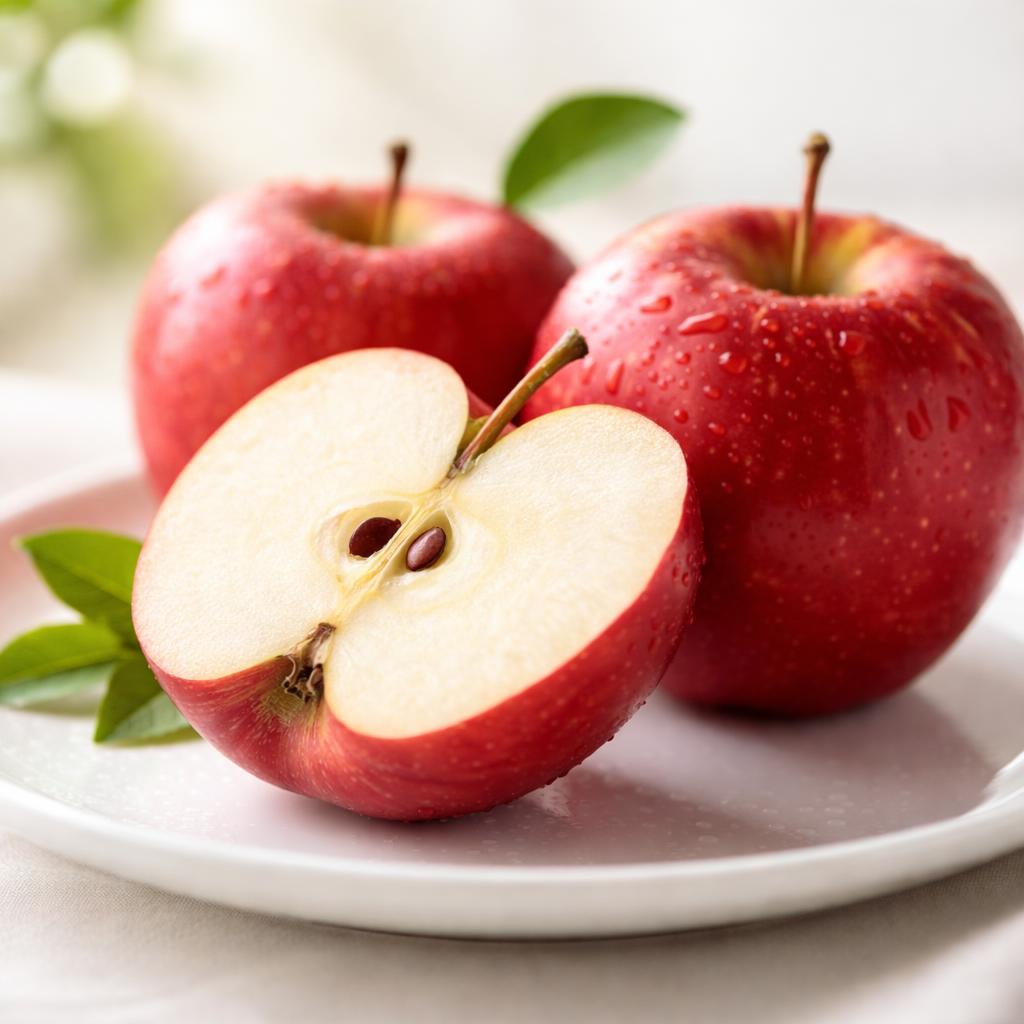
Apple
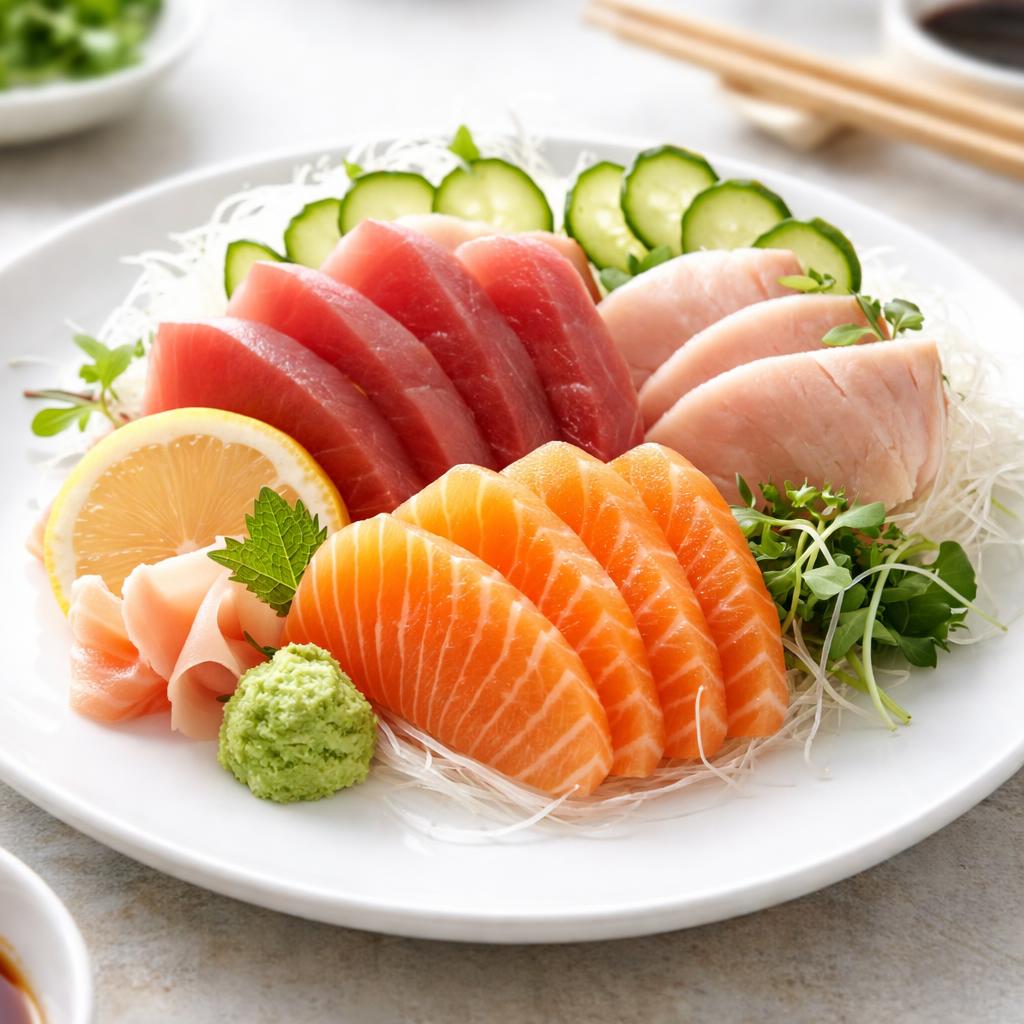
Sashimi
🎯 Quick Verdict
Apples are a nutrient-rich fruit lower in calories (95 per medium apple) and higher in fiber, making them ideal for digestion and weight management. Sashimi, made from raw fish, is dense in protein (approximately 20-25g per 3-ounce serving) and healthy fats like omega-3, benefiting muscle repair and heart health. The choice depends on your dietary goals: light snacking vs protein-packed meals.

Smart Nutrition Tracking with SnapCalorie

📊 Nutritional Comparison
Macronutrients
| Nutrient | Food 1 | Food 2 | Winner |
|---|---|---|---|
| Calories | 95 | 70 | ✓ |
| Protein | 0.5g | 20g | ✓ |
| Carbs | 25g | 0g | ✓ |
| Fat | 0.3g | 2-3g | ✓ |
| Fiber | 4g | 0g | ✓ |
Vitamins & Minerals
| Nutrient | Food 1 | Food 2 | Winner |
|---|---|---|---|
| Vitamin C | 8.4mg | 0mg | ✓ |
| Vitamin D | 0mcg | 1mcg | ✓ |
| Potassium | 195mg | 250mg | ✓ |
| Iron | 0.2mg | 0.5mg | ✓ |
🏆 Category Winners
Protein
Sashimi contains about 40x the protein content of apples, making it an excellent choice for protein intake.
Fiber
Apples have a substantial fiber content of 4g per serving, while sashimi offers none.
Calories
Sashimi is lower in calories (70 per serving vs 95 for an apple).
Vitamins
Apples provide more vitamin C and a variety of micronutrients than sashimi.
🥗 Diet Compatibility
Keto
Food 1: Not Compatible
Food 2: Compatible
Apples are high-carb (25g per serving), while sashimi is carb-free.
Vegan
Food 1: Compatible
Food 2: Not Compatible
Apples are plant-based, whereas sashimi contains fish.
Gluten Free
Food 1: Compatible
Food 2: Compatible
Neither contains gluten.
Paleo
Food 1: Compatible
Food 2: Compatible
Both fit within paleo guidelines and are whole foods.
Low-Carb
Food 1: Not Compatible
Food 2: Compatible
Apples are high in carbs, while sashimi provides no carbohydrates.
💪 Health Benefits Comparison
Food 1 Benefits
- High fiber content aids digestion and promotes satiety.
- Rich in antioxidants, particularly vitamin C, to support immunity.
- May help reduce the risk of cardiovascular diseases.
- Low calorie fruit suitable for weight management snacks.
Food 2 Benefits
- Excellent source of lean protein, supporting muscle repair and growth.
- High in omega-3 fatty acids for heart health and brain function.
- Rich in potassium for healthy blood pressure regulation.
- Provides vitamin D, crucial for bone and immune health.
✅ The Bottom Line
Choose apples for fiber, antioxidants, and light snacking or weight management. Opt for sashimi if your focus is on protein intake and heart-healthy fats, making it ideal for low-carb or post-workout diets.
Choose Food 1 for: High-fiber diets, light snacks, digestion support.
Choose Food 2 for: Protein intake, low-carb diets, post-workout recovery.


