Apple VS Rice Pilaf
A detailed nutritional comparison
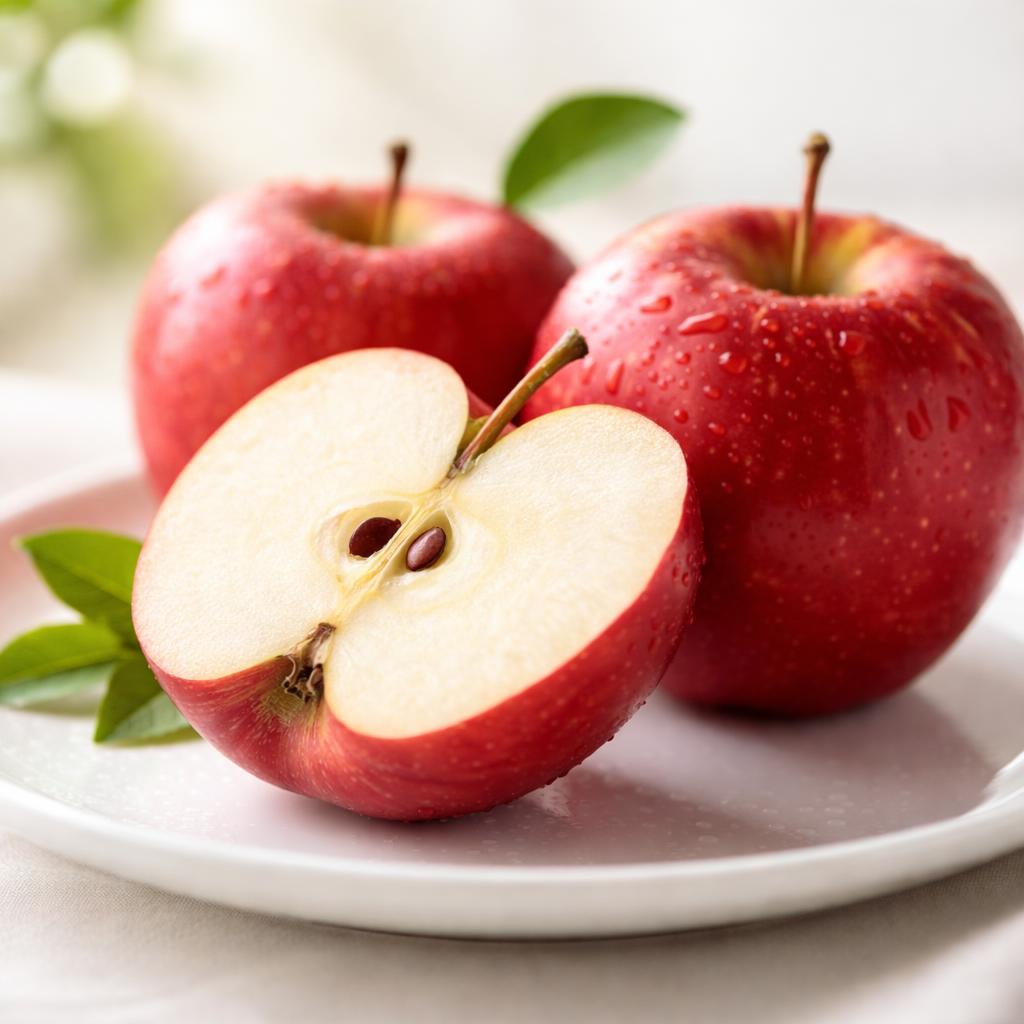
Apple
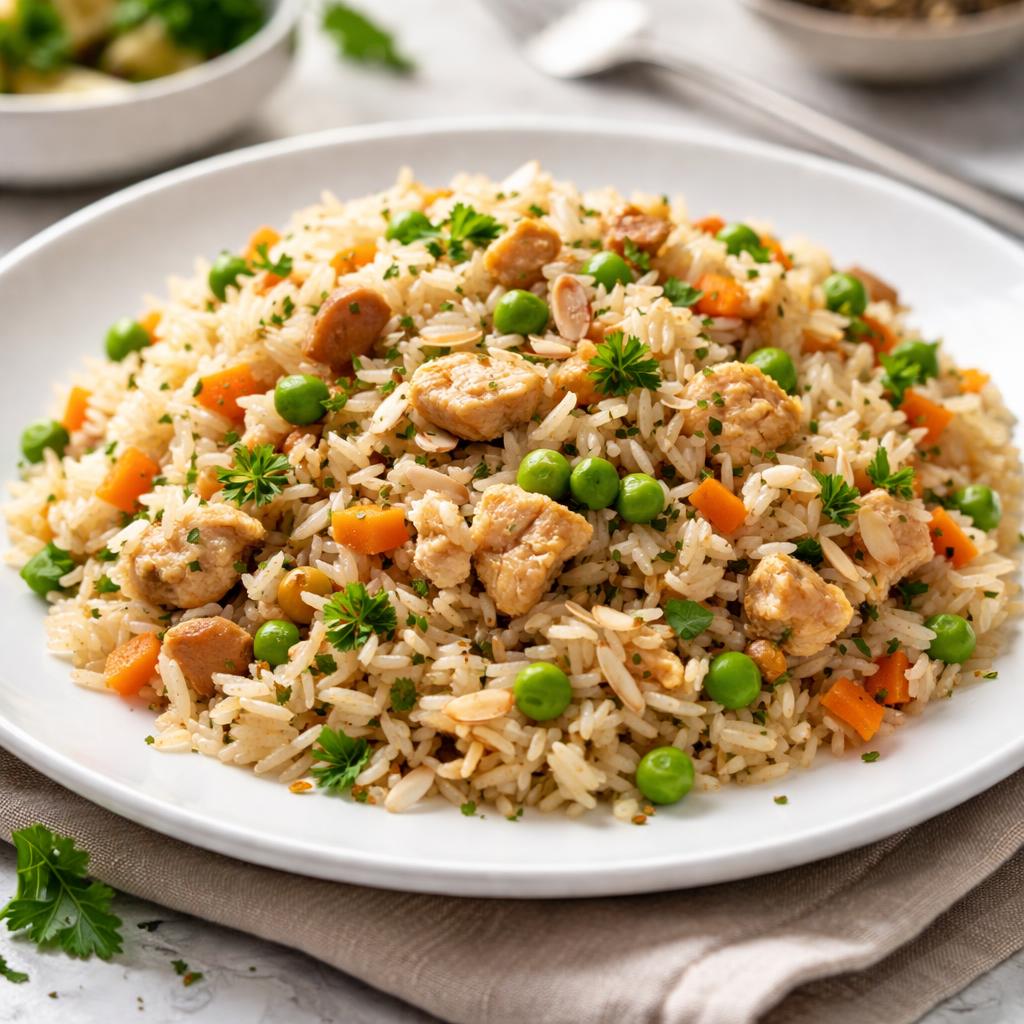
Rice Pilaf
🎯 Quick Verdict
Apples are a lower-calorie, high-fiber fruit ideal for snacking and improving digestion, while rice pilaf is a more calorie-dense energy source with higher protein and carbohydrates, often better suited for a meal or side dish. Apples provide vitamins like vitamin C, whereas rice pilaf contains more minerals like iron.

Smart Nutrition Tracking with SnapCalorie

📊 Nutritional Comparison
Macronutrients
| Nutrient | Food 1 | Food 2 | Winner |
|---|---|---|---|
| Calories | 95 | 200 | ✓ |
| Protein | 0.5g | 5g | ✓ |
| Carbs | 25g | 35g | ✓ |
| Fat | 0.3g | 6g | ✓ |
| Fiber | 4g | 1g | ✓ |
Vitamins & Minerals
| Nutrient | Food 1 | Food 2 | Winner |
|---|---|---|---|
| Vitamin C | 8.4mg | 0mg | ✓ |
| Vitamin K | 2.2mcg | 0mcg | ✓ |
| Iron | 0.2mg | 1.5mg | ✓ |
| Calcium | 6mg | 10mg | ✓ |
🏆 Category Winners
Protein
Rice pilaf provides 10 times more protein per serving compared to apple.
Fiber
Apple contains four times more fiber than rice pilaf.
Calories
Apples have less than half the calories per serving compared to rice pilaf.
Vitamins
Apples are richer in vitamin C and vitamin K, making them better for immune and bone health.
🥗 Diet Compatibility
Keto
Food 1: Not Compatible
Food 2: Not Compatible
Both foods are high in carbohydrates.
Vegan
Food 1: Compatible
Food 2: Compatible
Both foods are plant-based and suitable for vegans.
Gluten Free
Food 1: Compatible
Food 2: Depends
Apples are naturally gluten-free, but rice pilaf may contain gluten depending on added ingredients.
Paleo
Food 1: Compatible
Food 2: Not Compatible
Apples align with paleo diets while rice pilaf does not due to processed grains.
Low-Carb
Food 1: Not Compatible
Food 2: Not Compatible
Both foods contain a significant amount of carbohydrates.
💪 Health Benefits Comparison
Food 1 Benefits
- Rich in fiber to support digestion and prevent constipation
- High in vitamin C for immune system boost
- Contains natural antioxidants like quercetin, which supports heart and lung health
- Low-calorie snack for weight management
Food 2 Benefits
- Provides sustained energy due to complex carbohydrates
- Contains protein for muscle repair and overall body function
- Good source of iron, supporting oxygen transport in the blood
- May contain healthy fats and minerals when made with added ingredients like olive oil, nuts, or spices
✅ The Bottom Line
Choose apples for a low-calorie, high-fiber snack ideal for digestion and weight management. Opt for rice pilaf as a nutrient-dense and energy-rich side dish or meal for protein and sustained energy. Best suited to meal settings rather than snacking.
Choose Food 1 for: Snacking, weight management, fiber boost, immune health
Choose Food 2 for: Energy-rich meals, protein inclusion, mineral intake


