Apple VS Red Cabbage
A detailed nutritional comparison
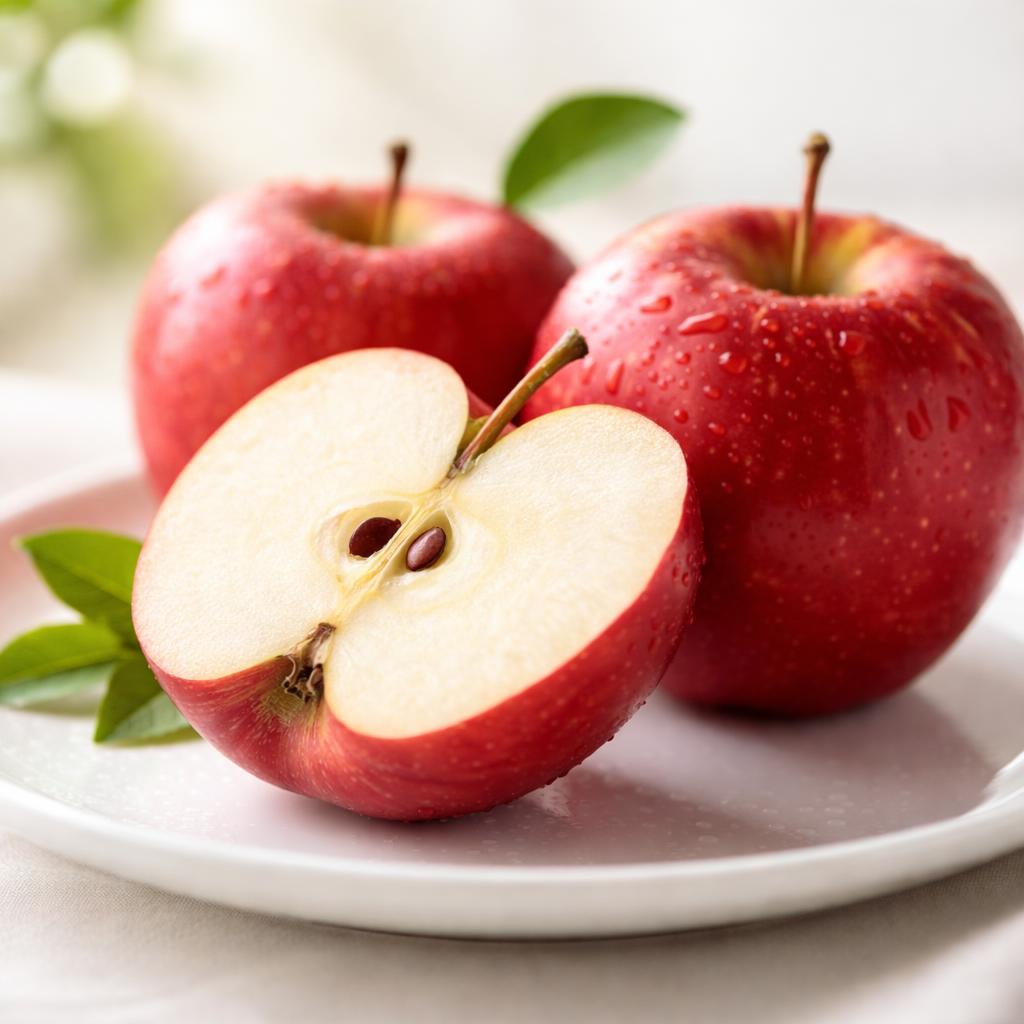
Apple
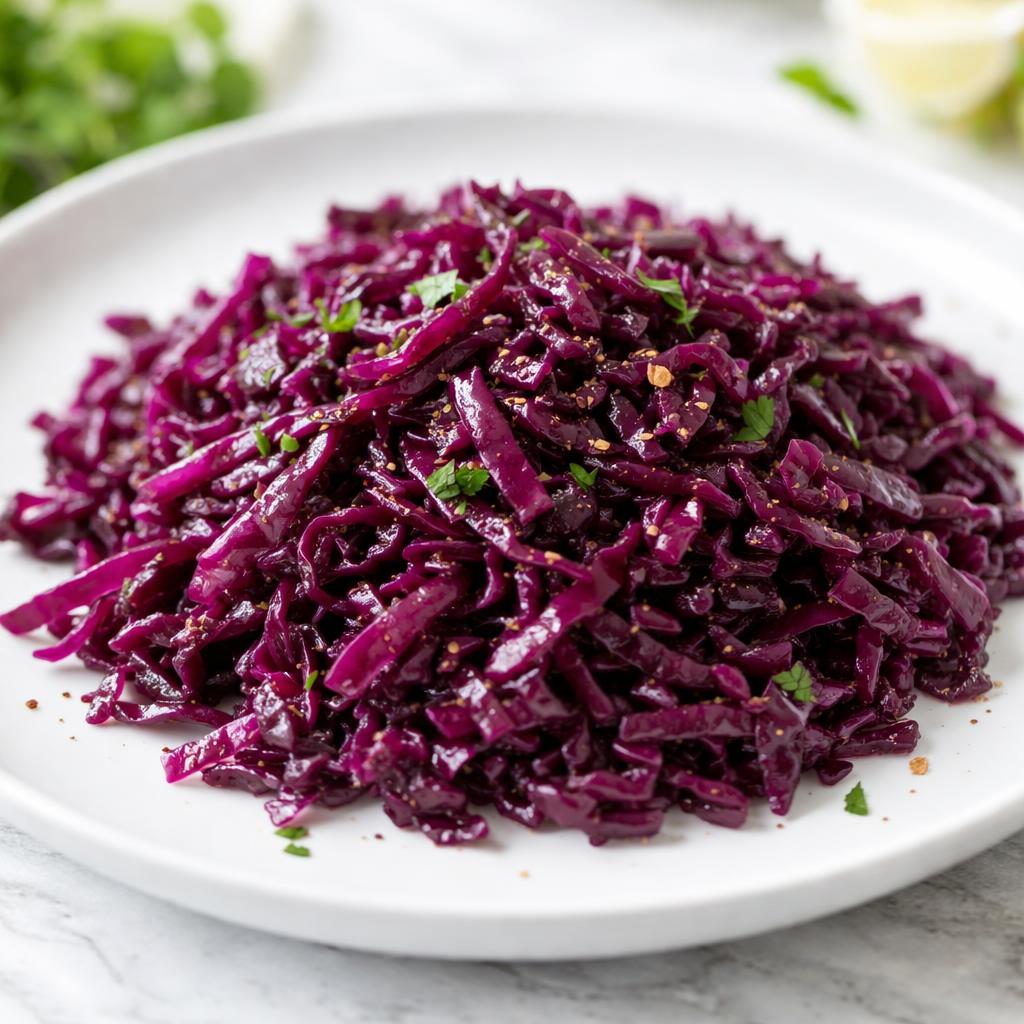
Red Cabbage
🎯 Quick Verdict
Red cabbage is nutritionally superior, offering more protein, fiber, and a broader spectrum of vitamins and minerals compared to apples. Apples, on the other hand, are higher in natural sugars and are ideal for quick energy and snacking. Both are excellent for overall health, but red cabbage provides a more nutrient-dense option for salads and meals.

Smart Nutrition Tracking with SnapCalorie

📊 Nutritional Comparison
Macronutrients
| Nutrient | Food 1 | Food 2 | Winner |
|---|---|---|---|
| Calories | 52 | 31 | − |
| Protein | 0.3g | 1g | − |
| Carbs | 14g | 7g | − |
| Fat | 0.2g | 0.1g | − |
| Fiber | 2.4g | 2.5g | − |
Vitamins & Minerals
| Nutrient | Food 1 | Food 2 | Winner |
|---|---|---|---|
| Vitamin C | 4.6mg | 57mg | − |
| Vitamin A | 3mcg | 20mcg | − |
| Vitamin K | 2.2mcg | 38mcg | − |
| Folate | 3mcg | 38mcg | − |
| Potassium | 107mg | 170mg | − |
🏆 Category Winners
Protein
Red cabbage has over 3x the protein compared to apples.
Fiber
Red cabbage slightly edges out apples with more fiber per serving.
Calories
Both are low in calories, under 60 calories per serving.
Vitamins
Red cabbage provides significantly higher levels of vitamin C, K, and A along with folate.
🥗 Diet Compatibility
Keto
Food 1: Not Compatible
Food 2: Compatible
Red cabbage is lower in net carbs, making it suitable for keto diets, unlike apples.
Vegan
Food 1: Compatible
Food 2: Compatible
Both are plant-based and suitable for vegan diets.
Gluten Free
Food 1: Compatible
Food 2: Compatible
Neither food contains gluten.
Paleo
Food 1: Compatible
Food 2: Compatible
Both fit into a paleo lifestyle as unprocessed whole foods.
Low-Carb
Food 1: Not Compatible
Food 2: Compatible
Red cabbage is low in net carbs, making it more suitable for low-carb diets compared to apples.
💪 Health Benefits Comparison
Food 1 Benefits
- Provides natural sugars for quick energy
- Contains antioxidants for combating oxidative stress
- A good source of dietary fiber for improved digestion
- Offers potassium for heart health and hydration
Food 2 Benefits
- High in vitamin C for immune support
- Rich in vitamin K for bone health and blood clotting
- Contains antioxidants like anthocyanins for anti-inflammatory benefits
- Low in calories but nutrient-dense for weight management
✅ The Bottom Line
Choose red cabbage for a nutrient-dense option rich in protein, fiber, and vitamins, suitable for meals like salads or stir-fries. Opt for apples as a convenient snack or natural source of quick energy. Both are excellent for overall health but cater to different dietary and lifestyle needs.
Choose Food 1 for: Quick energy, healthy snacking, sweet cravings
Choose Food 2 for: Nutrient density, meal incorporation, weight management


