Apple VS Pumpkin
A detailed nutritional comparison
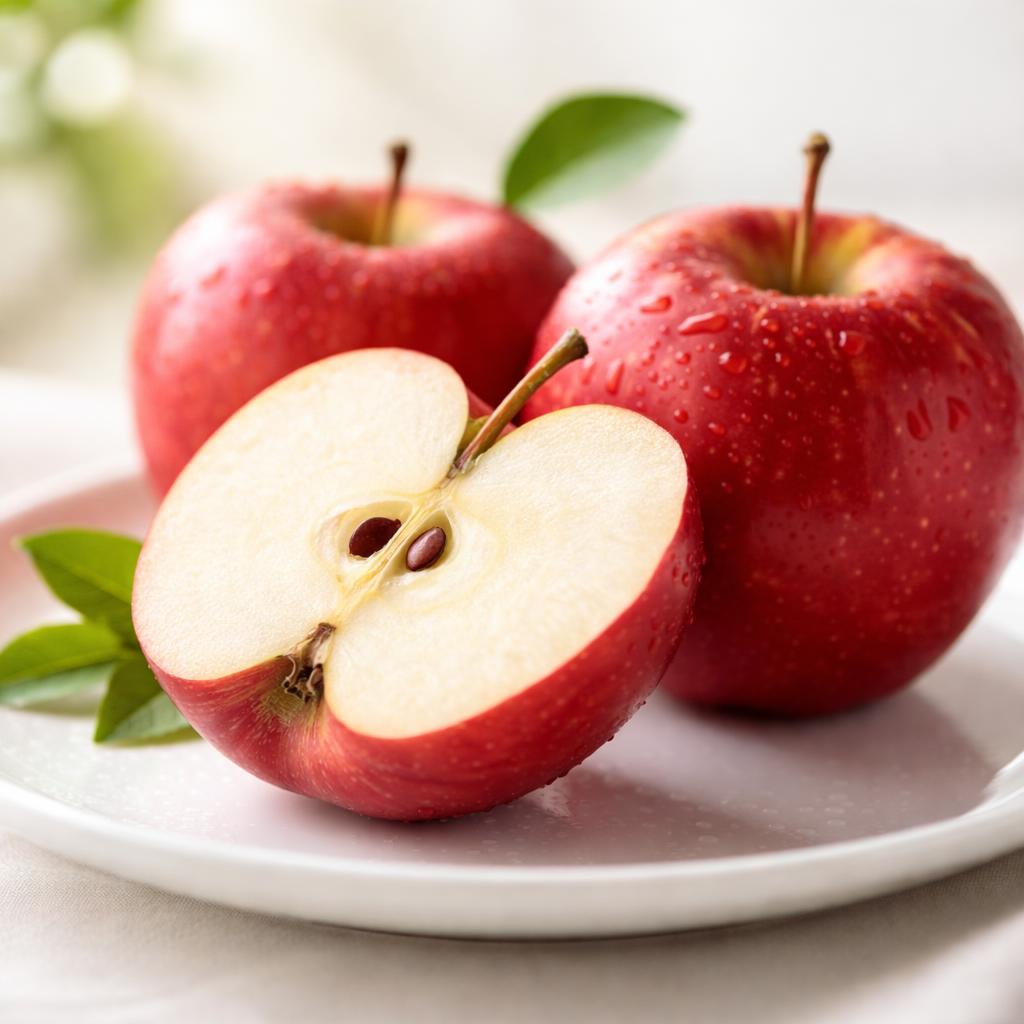
Apple
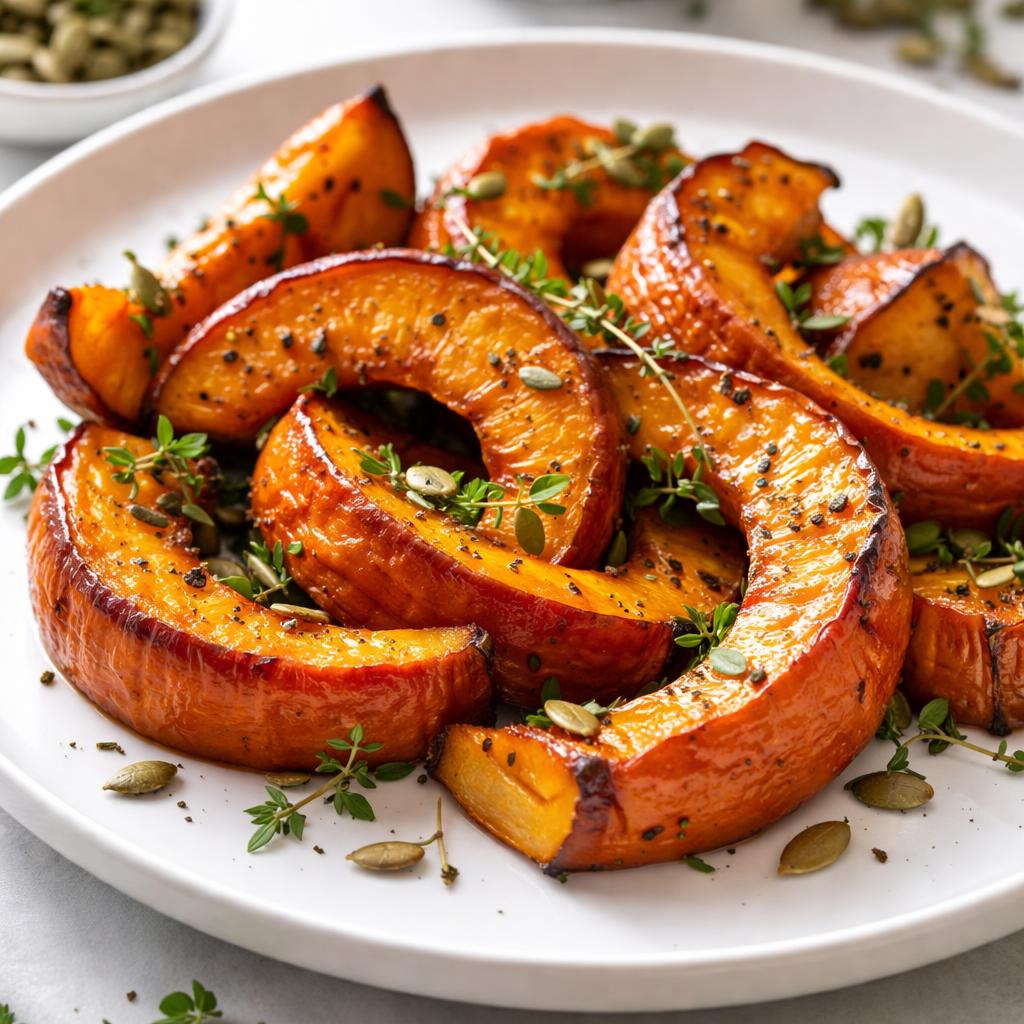
Pumpkin
🎯 Quick Verdict
Pumpkin outranks apple nutritionally due to its higher protein, fiber, and lower calorie content. Apples are sweeter and higher in natural sugars, making them a convenient, quick-energy snack, whereas pumpkin excels as a nutrient-dense addition to savory dishes or snacks for overall health benefits.

Smart Nutrition Tracking with SnapCalorie

📊 Nutritional Comparison
Macronutrients
| Nutrient | Food 1 | Food 2 | Winner |
|---|---|---|---|
| Calories | 95 | 30 | ✓ |
| Protein | 0.5g | 1g | ✓ |
| Carbs | 25g | 7g | ✓ |
| Fat | 0.3g | 0.1g | ✓ |
| Fiber | 4g | 2g | ✓ |
Vitamins & Minerals
| Nutrient | Food 1 | Food 2 | Winner |
|---|---|---|---|
| Vitamin A | 2mcg | 8510mcg | ✓ |
| Vitamin C | 8.4mg | 9mg | ✓ |
| Potassium | 195mg | 394mg | ✓ |
🏆 Category Winners
Protein
Pumpkin contains 2x more protein per serving than apple.
Fiber
Apple contains 4g of fiber per serving compared to 2g in pumpkin.
Calories
Pumpkin has significantly fewer calories (30 vs 95 per serving).
Vitamins
Pumpkin is especially rich in Vitamin A, far surpassing apple.
🥗 Diet Compatibility
Keto
Food 1: Not Compatible
Food 2: Compatible
Pumpkin is lower carb (7g per serving, suitable for keto diets).
Vegan
Food 1: Compatible
Food 2: Compatible
Both apple and pumpkin are plant-based and suitable for vegan diets.
Gluten Free
Food 1: Compatible
Food 2: Compatible
Neither contains gluten.
Paleo
Food 1: Compatible
Food 2: Compatible
Both are unprocessed whole foods that fit into a paleo diet.
Low-Carb
Food 1: Not Compatible
Food 2: Compatible
Pumpkin is much lower in net carbs, while apple is too high in sugars for a low-carb diet.
💪 Health Benefits Comparison
Food 1 Benefits
- Rich in natural sugars for quick energy boost
- Contains antioxidants that support skin health
- Good source of fiber for improved digestion
- Helps regulate blood sugar levels due to pectin content
Food 2 Benefits
- Exceptionally high in Vitamin A for eye health
- Low-calorie and nutrient-dense, great for weight loss
- Provides potassium, promoting heart and muscle health
- Contains antioxidants that combat inflammation
✅ The Bottom Line
Choose pumpkin for nutrient density and weight-loss-friendly meals, as it has fewer calories, more protein, and higher Vitamin A. Opt for apple when seeking quick energy or a convenient, fiber-rich snack. Both have unique benefits depending on dietary goals and context.
Choose Food 1 for: Quick energy boost, digestion, natural sweetness
Choose Food 2 for: Weight loss, nutrient density, recipes requiring savory ingredients or rich Vitamin A profiles


