Apple VS Pomegranate
A detailed nutritional comparison
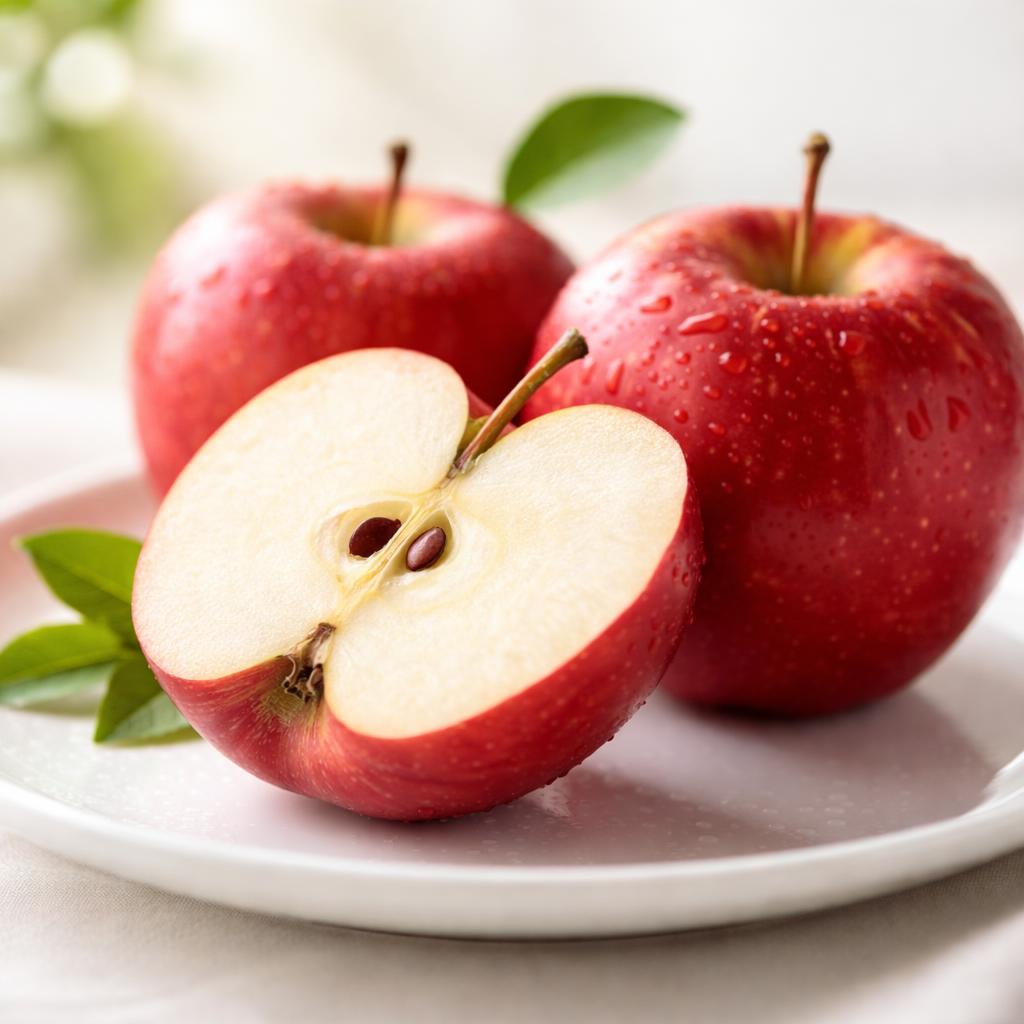
Apple
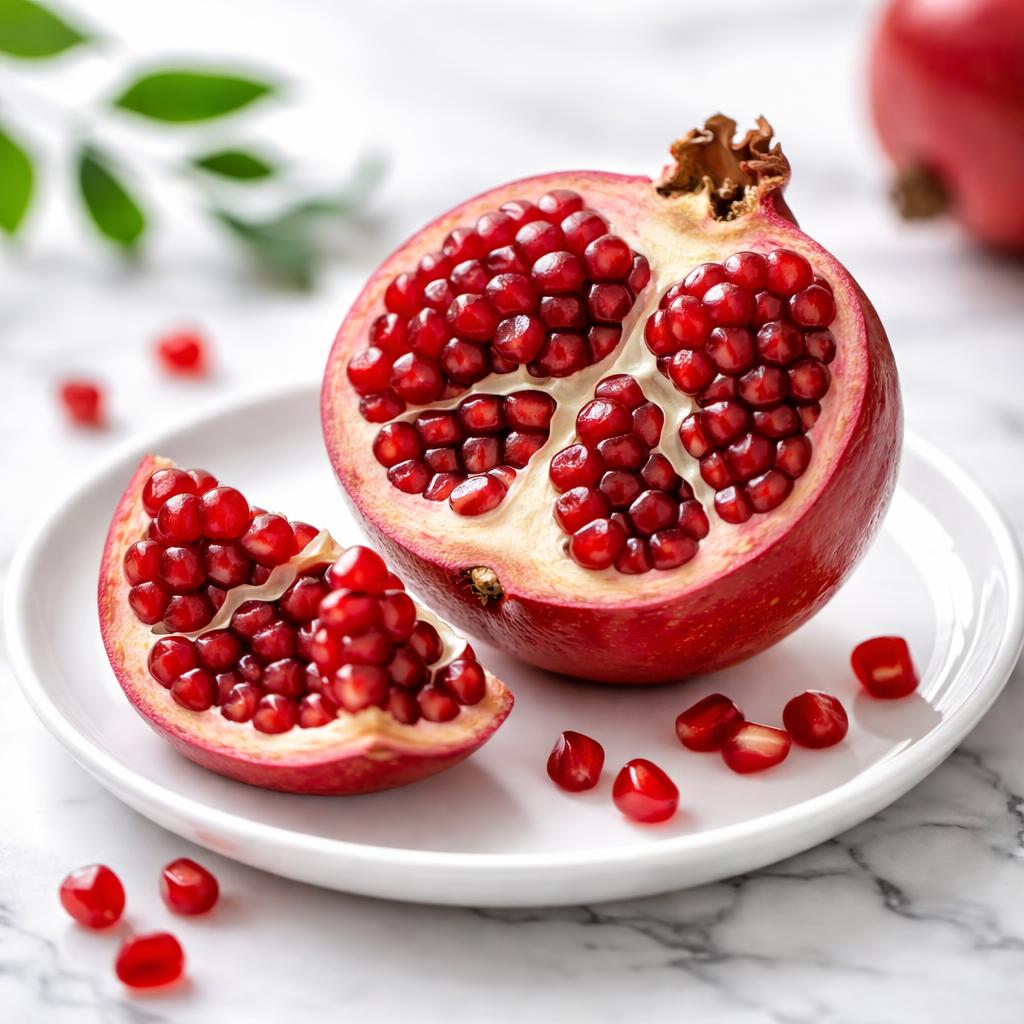
Pomegranate
🎯 Quick Verdict
Apples and pomegranates both provide valuable nutrition, but pomegranate wins in overall nutrient density and fiber content (3.5g vs. 2.4g). Apples are lower in calories (95 vs. 105 per medium fruit) and contain slightly fewer carbohydrates. Pomegranate is ideal for antioxidants and a nutrient-rich option, while apples are better for lighter snacking or low-calorie diets.

Smart Nutrition Tracking with SnapCalorie

📊 Nutritional Comparison
Macronutrients
| Nutrient | Food 1 | Food 2 | Winner |
|---|---|---|---|
| Calories | 95 | 105 | ✓ |
| Protein | 0.5g | 0.5g | − |
| Carbs | 25g | 26g | ✓ |
| Fat | 0.3g | 0.3g | − |
| Fiber | 2.4g | 3.5g | ✓ |
Vitamins & Minerals
| Nutrient | Food 1 | Food 2 | Winner |
|---|---|---|---|
| Vitamin C | 8.4mg | 10.2mg | ✓ |
| Potassium | 195mg | 236mg | ✓ |
| Vitamin K | 4mcg | 14mcg | ✓ |
🏆 Category Winners
Protein
Both foods contain 0.5g of protein per medium serving.
Fiber
Pomegranate provides 46% more fiber than apple.
Calories
Apples are lower in calories, ideal for low-calorie diets.
Vitamins
Pomegranate offers higher levels of vitamin C, potassium, and vitamin K.
🥗 Diet Compatibility
Keto
Food 1: Not Compatible
Food 2: Not Compatible
Both foods are high in carbs, making them unsuitable for ketogenic diets.
Vegan
Food 1: Compatible
Food 2: Compatible
Both foods are plant-based and vegan-friendly.
Gluten Free
Food 1: Compatible
Food 2: Compatible
Neither food contains gluten.
Paleo
Food 1: Compatible
Food 2: Compatible
Both foods meet paleo criteria as whole fruits.
Low Carb
Food 1: Not Compatible
Food 2: Not Compatible
Both foods exceed typical daily limits of carbs for a strict low-carb diet.
💪 Health Benefits Comparison
Food 1 Benefits
- Low in calories, ideal for weight management
- Offers soluble fiber for blood sugar control
- Provides vitamin C for immune support
- Contains antioxidants for overall health
Food 2 Benefits
- Rich in antioxidants promoting heart health
- Contains more fiber for digestion and satiety
- High in vitamin K for bone health
- Offers potassium for blood pressure regulation
✅ The Bottom Line
Choose apples for a lower-calorie snack and weight management, or pomegranate for higher fiber and micronutrients like vitamin K and potassium. Both are great for overall health, but pomegranate offers more nutrient density and antioxidant benefits.
Choose Food 1 for: Weight loss, light snacking, blood sugar control
Choose Food 2 for: Digestive health, heart health, antioxidant-rich diets


