Apple VS Plum
A detailed nutritional comparison
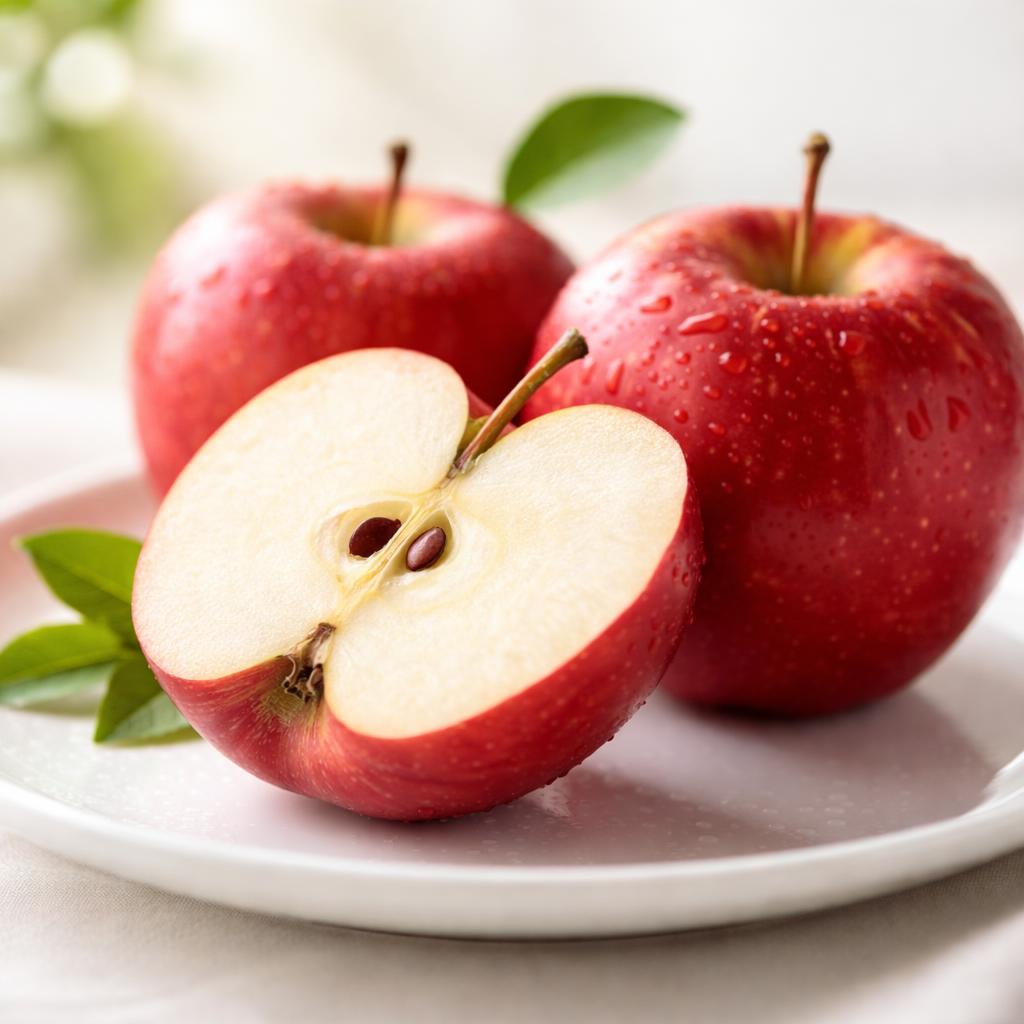
Apple
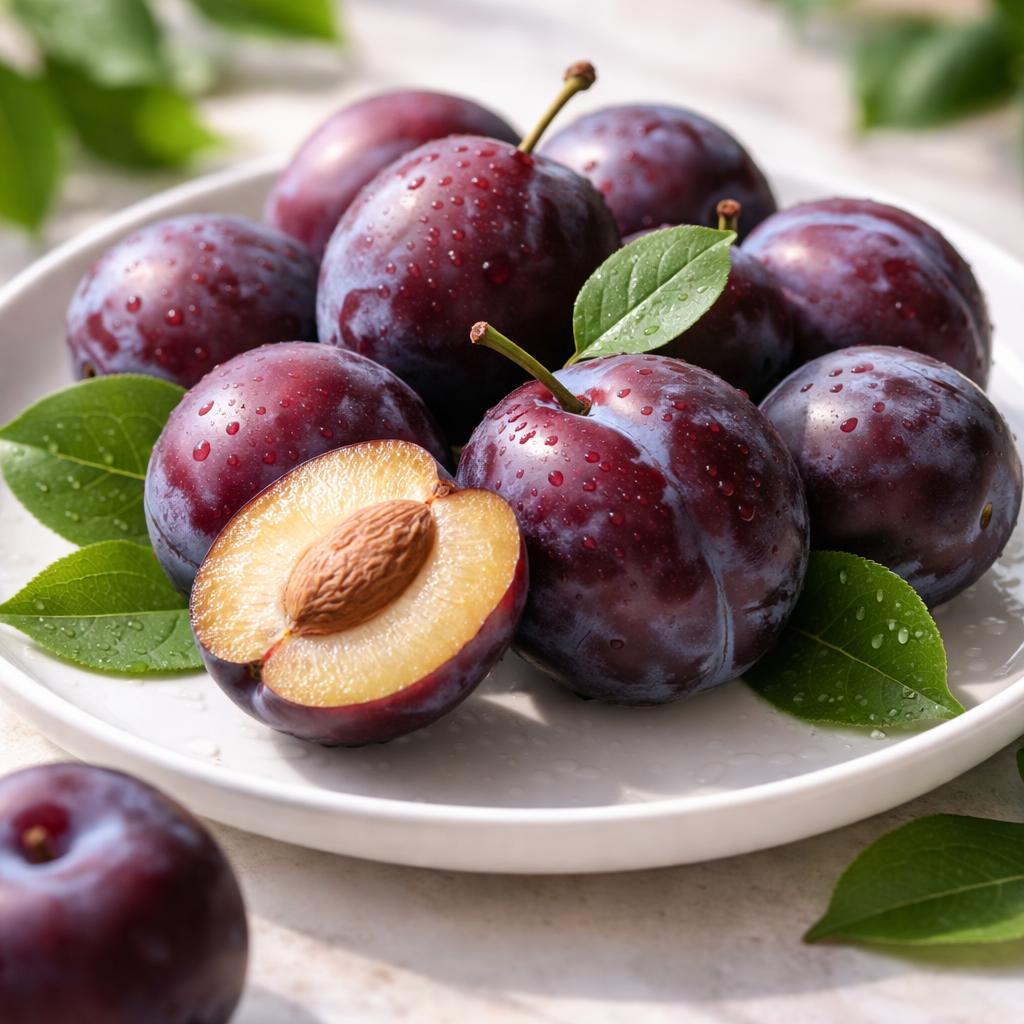
Plum
🎯 Quick Verdict
Apples and plums differ slightly in nutritional makeup. Apples are an excellent source of fiber and vitamin C, while plums have fewer calories and provide helpful antioxidants. Apples are best for improved digestion and satiety, whereas plums offer a delicious low-calorie snack option.

Smart Nutrition Tracking with SnapCalorie

📊 Nutritional Comparison
Macronutrients
| Nutrient | Food 1 | Food 2 | Winner |
|---|---|---|---|
| Calories | 95 | 76 | ✓ |
| Protein | 0.5g | 0.5g | − |
| Carbs | 25g | 18g | ✓ |
| Fat | 0.3g | 0.2g | ✓ |
| Fiber | 4g | 2g | ✓ |
Vitamins & Minerals
| Nutrient | Food 1 | Food 2 | Winner |
|---|---|---|---|
| Vitamin C | 8.4mg | 9.5mg | ✓ |
| Vitamin A | 6mcg | 247mcg | ✓ |
| Potassium | 195mg | 259mg | ✓ |
🏆 Category Winners
Protein
Both foods provide 0.5g protein in a typical serving.
Fiber
Apples contain twice the fiber of plums.
Calories
Plums have about 20% fewer calories per serving.
Vitamins
Plums offer higher Vitamin A and Potassium concentrations.
🥗 Diet Compatibility
Keto
Food 1: Not Compatible
Food 2: Not Compatible
Both are high-carb fruits unsuitable for keto diets.
Vegan
Food 1: Compatible
Food 2: Compatible
Neither contains animal products.
Gluten Free
Food 1: Compatible
Food 2: Compatible
Both are naturally gluten-free fruits.
Paleo
Food 1: Compatible
Food 2: Compatible
As whole fruits, both are paleo-friendly options.
Low-Carb
Food 1: Not Compatible
Food 2: Not Compatible
Neither fruit qualifies as low-carb, each exceeding recommended net carbs for this diet.
💪 Health Benefits Comparison
Food 1 Benefits
- Rich in dietary fiber for digestive health
- Provides antioxidants, like polyphenols, for cellular health
- Contains vitamin C to support the immune system
- May help with satiety, promoting weight management
Food 2 Benefits
- Low-calorie, nutrient-dense snack option
- High Vitamin A content supports vision and skin health
- Rich in potassium for muscle function and heart health
- Provides antioxidants for anti-inflammatory benefits
✅ The Bottom Line
Choose apples for higher fiber content and improved digestion, particularly if you want a filling snack or benefits for long-term gut health. Opt for plums when seeking a lower-calorie alternative with good antioxidant and vitamin A support. Both are versatile and complement various diets.
Choose Food 1 for: Improved digestion, satiety, immune health
Choose Food 2 for: Low-calorie snacking, vision support, antioxidant benefits


