Apple VS Mini Cucumber
A detailed nutritional comparison
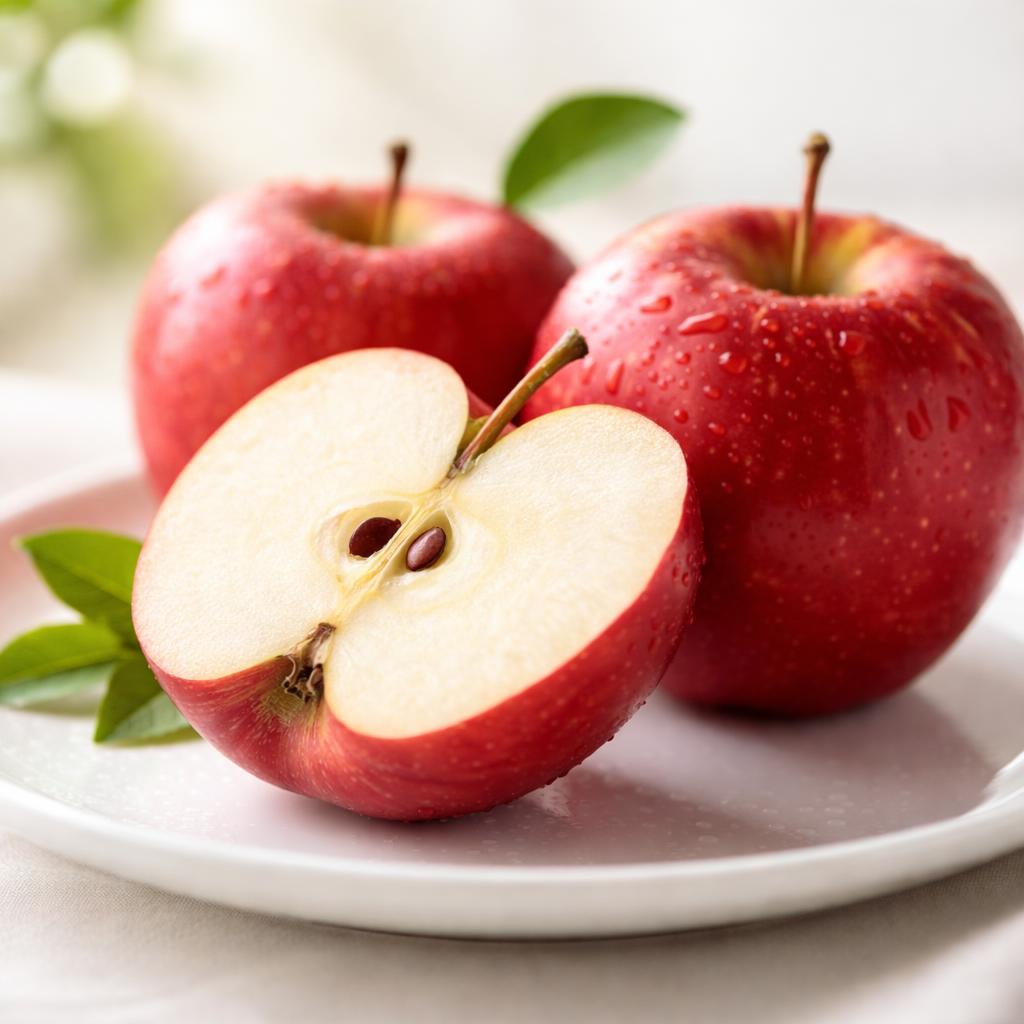
Apple
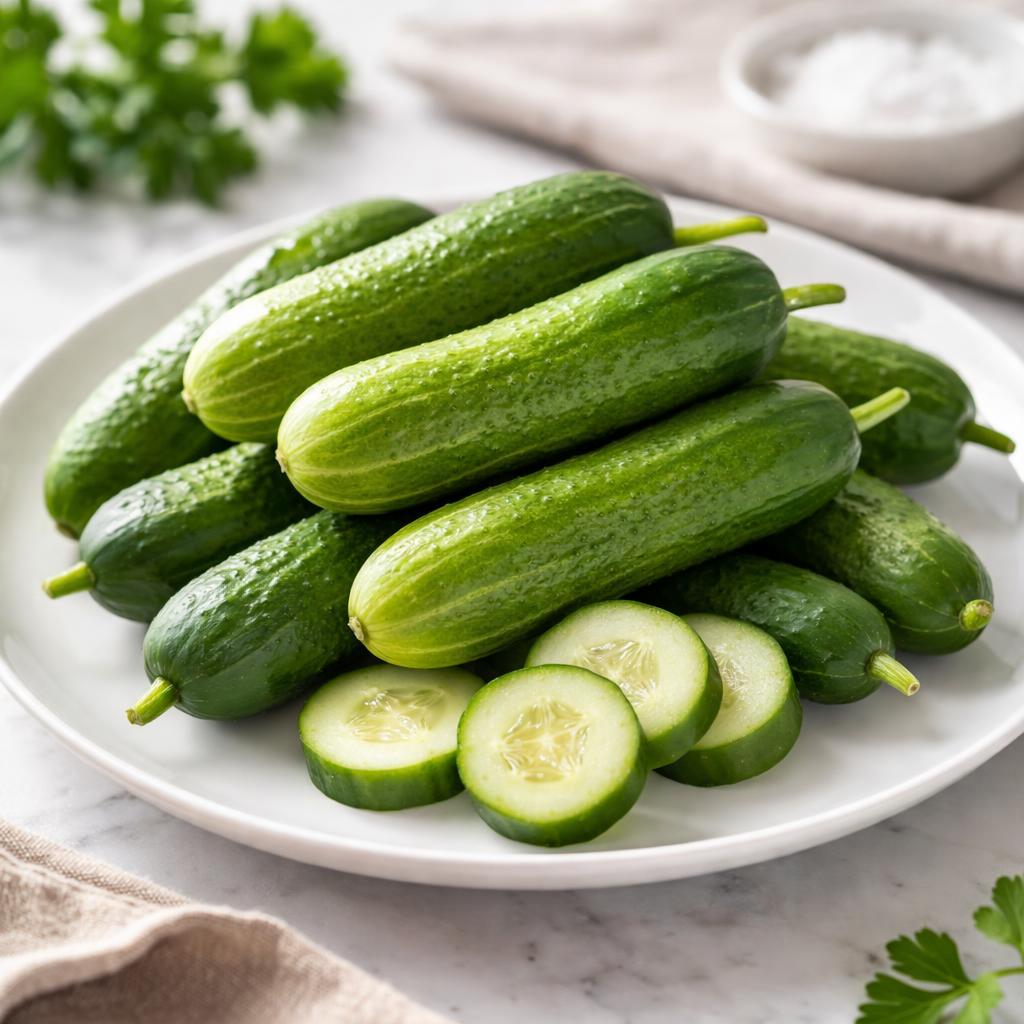
Mini Cucumber
🎯 Quick Verdict
Apples and mini cucumbers are both nutrient-dense options. Apples provide more fiber, making them ideal for digestion and satiety, while mini cucumbers are lower in net carbs, contain more protein, and are hydrating due to their high water content. Both are great snacks, but use cases depend on dietary goals like fiber intake vs low-carb options.

Smart Nutrition Tracking with SnapCalorie

📊 Nutritional Comparison
Macronutrients
| Nutrient | Food 1 | Food 2 | Winner |
|---|---|---|---|
| Calories | 52 | 50 | − |
| Protein | 0.3g | 0.8g | ✓ |
| Carbs | 14g | 3.6g | ✓ |
| Fat | 0.2g | 0.1g | ✓ |
| Fiber | 2.4g | 0.7g | ✓ |
Vitamins & Minerals
| Nutrient | Food 1 | Food 2 | Winner |
|---|---|---|---|
| Vitamin C | 4.6mg | 5.3mg | ✓ |
| Potassium | 107mg | 193mg | ✓ |
| Vitamin K | 2.2mcg | 16.4mcg | ✓ |
🏆 Category Winners
Protein
Mini cucumber contains over 2.5x more protein compared to apples per serving.
Fiber
Apples provide over 3x the fiber content for better digestion.
Calories
Both foods provide similar low-calorie values.
Vitamins
Mini cucumber offers higher Vitamin C, potassium, and Vitamin K per serving.
🥗 Diet Compatibility
Keto
Food 1: Not Compatible
Food 2: Compatible
Apples are higher in carbs (14g vs 3.6g); mini cucumbers fit low-carb profiles.
Vegan
Food 1: Compatible
Food 2: Compatible
Both are plant-based, vegan-friendly options.
Gluten Free
Food 1: Compatible
Food 2: Compatible
Neither contains gluten.
Paleo
Food 1: Compatible
Food 2: Compatible
Both align with paleo principles as whole foods.
Low Carb
Food 1: Not Compatible
Food 2: Compatible
Mini cucumber is much lower in net carbs (3.6g vs 12g).
💪 Health Benefits Comparison
Food 1 Benefits
- High in fiber for better digestion and satiety
- Contains natural sugars for quick energy boost
- Rich in antioxidants, supporting cell health
- Low calories for weight management
Food 2 Benefits
- Hydrating due to high water content
- Rich in potassium for electrolyte balance
- Contains Vitamin K for bone health
- Low-carb and keto-friendly for blood sugar control
✅ The Bottom Line
Apples are ideal for fiber-rich diets, digestion, and quick energy, while mini cucumbers excel as a hydrating, low-carb snack packed with vitamins. Choose apples for satiety and digestion, and cucumbers for low-carb meals or hydration needs.
Choose Food 1 for: Fiber-rich diets, digestion, quick energy
Choose Food 2 for: Low-carb/keto diets, hydration, sustained nutrients


