Apple VS Milk
A detailed nutritional comparison
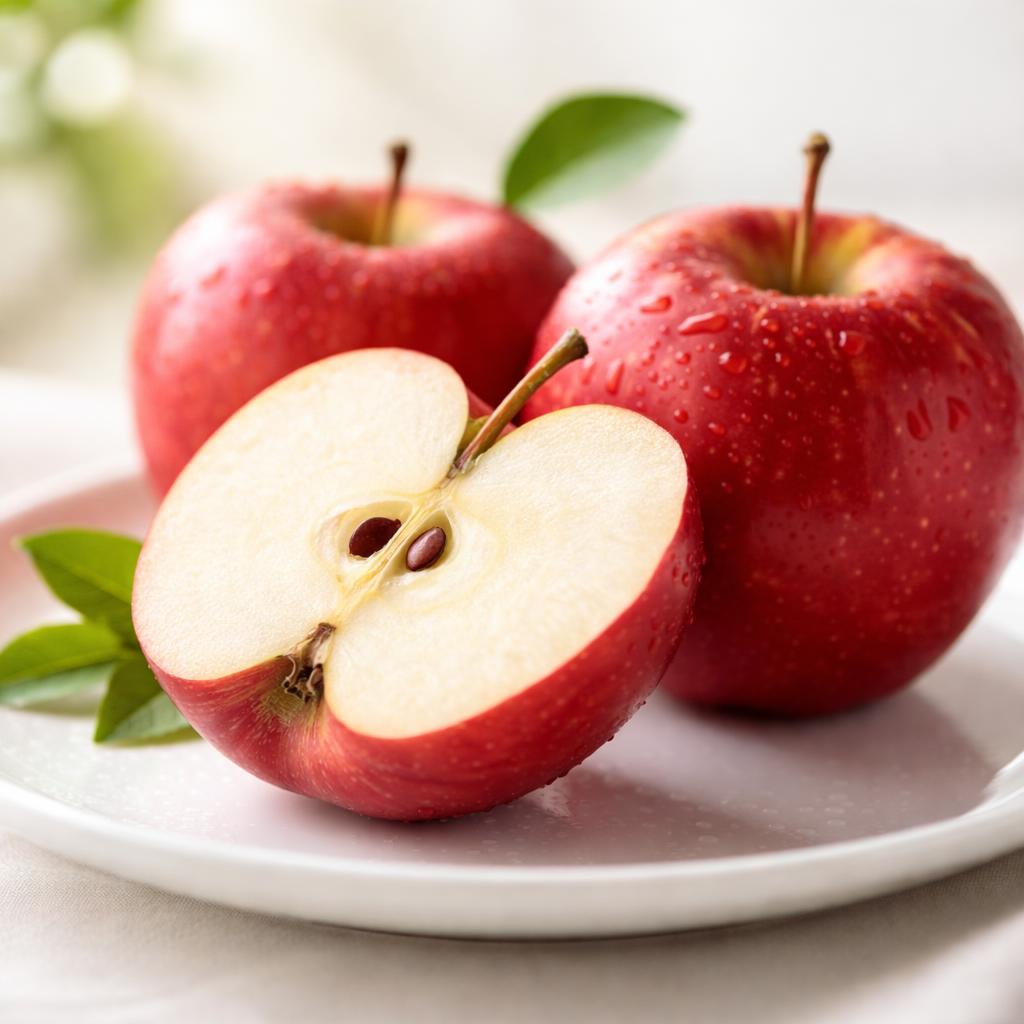
Apple
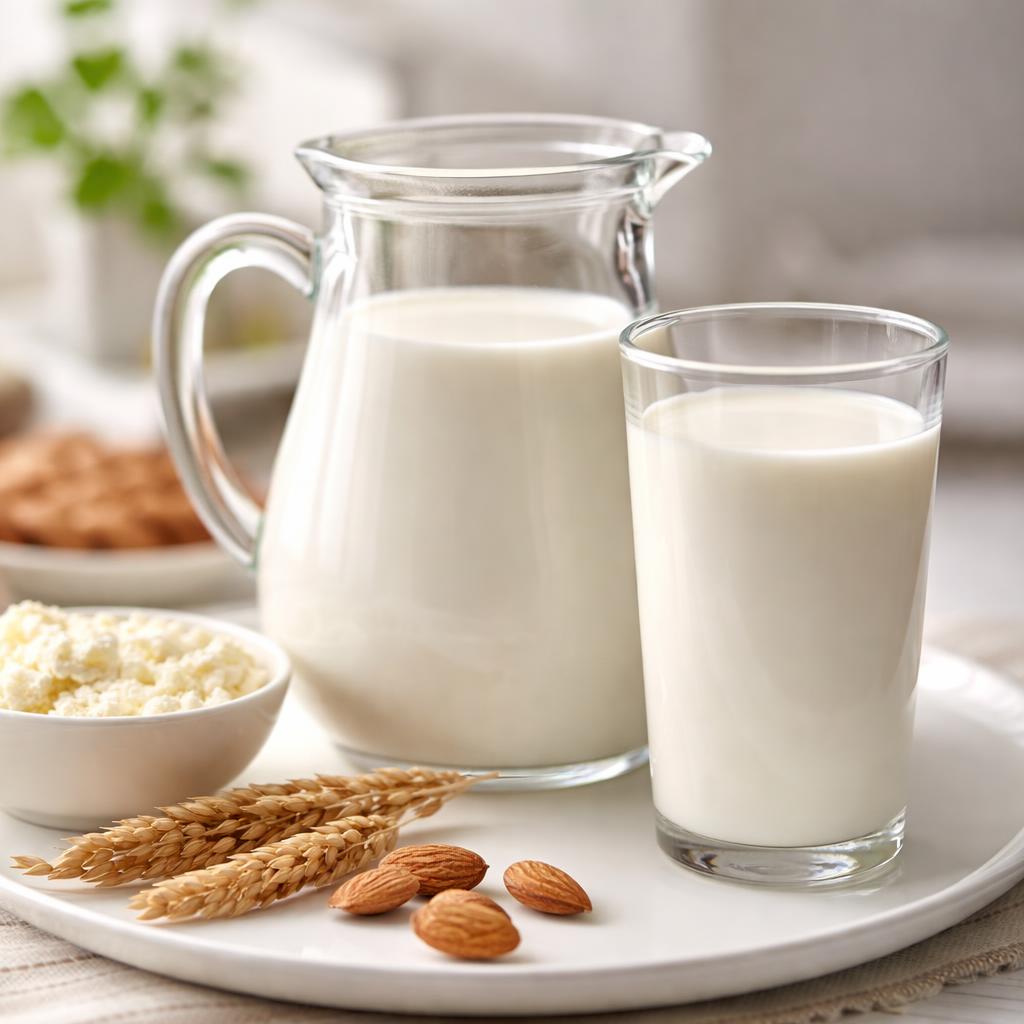
Milk
🎯 Quick Verdict
Milk is significantly higher in protein, providing 8g per cup compared to the negligible amount in an apple. Meanwhile, apples excel in fiber content, offering roughly 4g per serving versus close to none in milk. Apples are lower in calories and best for snacks, while milk is ideal for protein intake and calcium needs.

Smart Nutrition Tracking with SnapCalorie

📊 Nutritional Comparison
Macronutrients
| Nutrient | Food 1 | Food 2 | Winner |
|---|---|---|---|
| Calories | 95 | 150 | ✓ |
| Protein | 0.5g | 8g | ✓ |
| Carbs | 25g | 12g | ✓ |
| Fat | 0.3g | 8g | ✓ |
| Fiber | 4g | 0g | ✓ |
Vitamins & Minerals
| Nutrient | Food 1 | Food 2 | Winner |
|---|---|---|---|
| Vitamin D | 0mcg | 2.9mcg | ✓ |
| Calcium | 10mg | 300mg | ✓ |
| Vitamin C | 8.4mg | 0mg | ✓ |
| Iron | 0.2mg | 0.07mg | ✓ |
🏆 Category Winners
Protein
Milk provides 8g of protein per serving, significantly higher than the negligible protein content in apples.
Fiber
Apples contain 4g of fiber per serving, aiding digestion, whereas milk contains none.
Calories
Apples contain only 95 calories per medium fruit compared to 150 calories per cup of milk.
Vitamins
Each food excels in different vitamins: milk is rich in vitamin D and calcium, while apples provide vitamin C and a small amount of iron.
🥗 Diet Compatibility
Keto
Food 1: Not Compatible
Food 2: Not Compatible
Both foods are relatively high in carbohydrates, which are limited on keto diets.
Vegan
Food 1: Compatible
Food 2: Not Compatible
Apples are plant-based, whereas milk is an animal product.
Gluten Free
Food 1: Compatible
Food 2: Compatible
Neither food contains gluten.
Paleo
Food 1: Compatible
Food 2: Not Compatible
Apples are allowed on a paleo diet, but milk is excluded due to its dairy origin.
Low Carb
Food 1: Not Compatible
Food 2: Compatible
Milk is lower in carbs with 12g per serving compared to 25g in apples.
💪 Health Benefits Comparison
Food 1 Benefits
- Rich in antioxidants for overall health
- High fiber content improves digestion
- Contains vitamin C to support a healthy immune system
- Low calorie, suitable for weight management
Food 2 Benefits
- Excellent source of high-quality protein for muscle maintenance
- Rich in calcium to promote strong bones and teeth
- Provides vitamin D to support bone health and immune function
- Contains healthy fats for longer satiety and energy
✅ The Bottom Line
Choose apples for a low-calorie snack rich in fiber and antioxidants, ideal for digestion and weight management. Opt for milk when you need protein, calcium, and vitamin D, particularly for bone health or post-workout recovery.
Choose Food 1 for: Weight loss, digestion support, general snacking
Choose Food 2 for: Protein intake, bone health, post-workout recovery


