Apple VS Mandarin
A detailed nutritional comparison
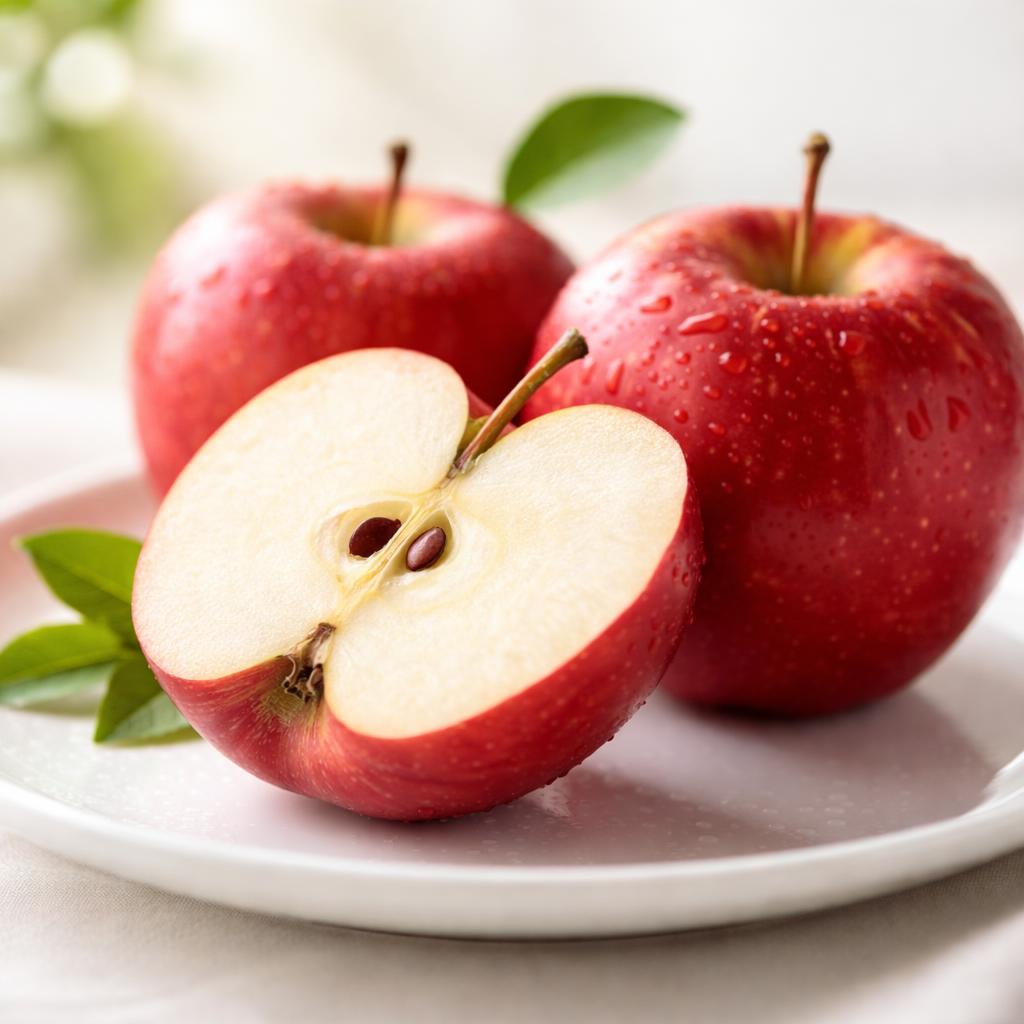
Apple
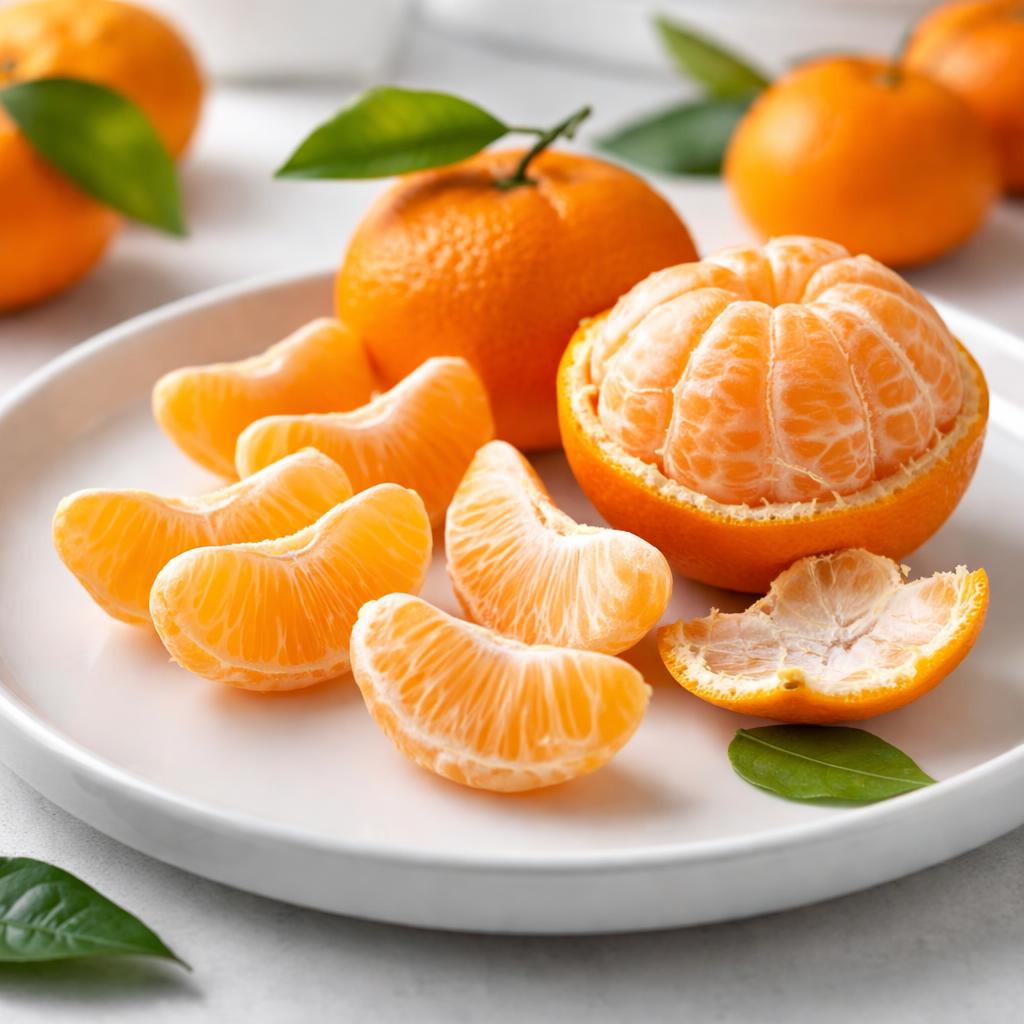
Mandarin
🎯 Quick Verdict
Apples and mandarins are both nutrient-dense fruits with unique benefits. Apples deliver more fiber and are excellent for digestion, while mandarins shine in vitamin C content for immune support. Both are low-calorie snacks suitable for most diets, but mandarins edge out slightly in total micronutrient richness, including antioxidants and vitamin A.

Smart Nutrition Tracking with SnapCalorie

📊 Nutritional Comparison
Macronutrients
| Nutrient | Food 1 | Food 2 | Winner |
|---|---|---|---|
| Calories | 52 | 53 | − |
| Protein | 0.3g | 0.8g | − |
| Carbs | 14g | 13g | − |
| Fat | 0.2g | 0.3g | − |
| Fiber | 2.4g | 1.8g | − |
Vitamins & Minerals
| Nutrient | Food 1 | Food 2 | Winner |
|---|---|---|---|
| Vitamin C | 4.6mg (5% DV) | 26mg (29% DV) | − |
| Vitamin A | 54 IU | 599 IU | − |
| Vitamin K | 2.2mcg | 0.0mcg | − |
🏆 Category Winners
Protein
Both foods contain minimal protein, with a difference of less than 1g.
Fiber
Apples provide 33% more fiber per serving, aiding digestion.
Calories
Both foods are virtually identical in calorie content.
Vitamins
Mandarins are richer in vitamin C and vitamin A, making them more micronutrient-dense overall.
🥗 Diet Compatibility
Keto
Food 1: Not Compatible
Food 2: Not Compatible
Both have too many carbs for standard keto diets.
Vegan
Food 1: Compatible
Food 2: Compatible
Both fruits are entirely plant-based.
Gluten Free
Food 1: Compatible
Food 2: Compatible
Neither contains gluten.
Paleo
Food 1: Compatible
Food 2: Compatible
Both are naturally occurring fruits suitable for Paleo diets.
Low Carb
Food 1: Not Compatible
Food 2: Not Compatible
Each has over 10g of carbs per serving, which may be excessive for strict low-carb diets.
💪 Health Benefits Comparison
Food 1 Benefits
- High in fiber for improved digestion and satiety
- Low calorie, making it a great snack for weight management
- Offers small amounts of vitamin K for bone health
Food 2 Benefits
- Rich in vitamin C for boosting immunity
- Provides antioxidants that support cell protection
- Includes a significant amount of vitamin A for eye health
✅ The Bottom Line
Both apples and mandarins are superb options for healthy snacking, but their benefits align with different dietary goals. Choose apples for fiber-rich support in digestion and overall satiety. Opt for mandarins to maximize vitamin C intake and antioxidant protection.
Choose Food 1 for: Digestive health, maintaining fullness, low-calorie snacking
Choose Food 2 for: Immune support, rich micronutrient intake, vitamin A and C needs


