Apple VS Lemon
A detailed nutritional comparison
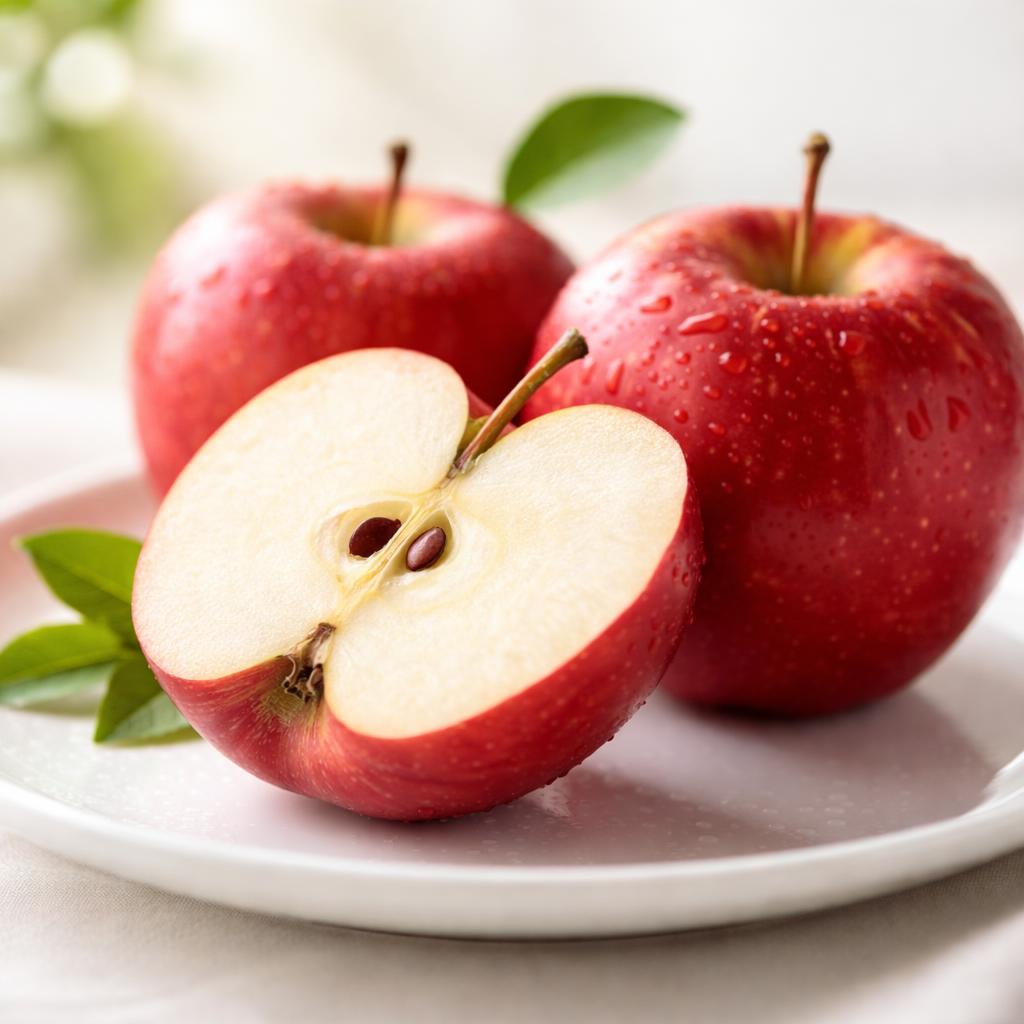
Apple
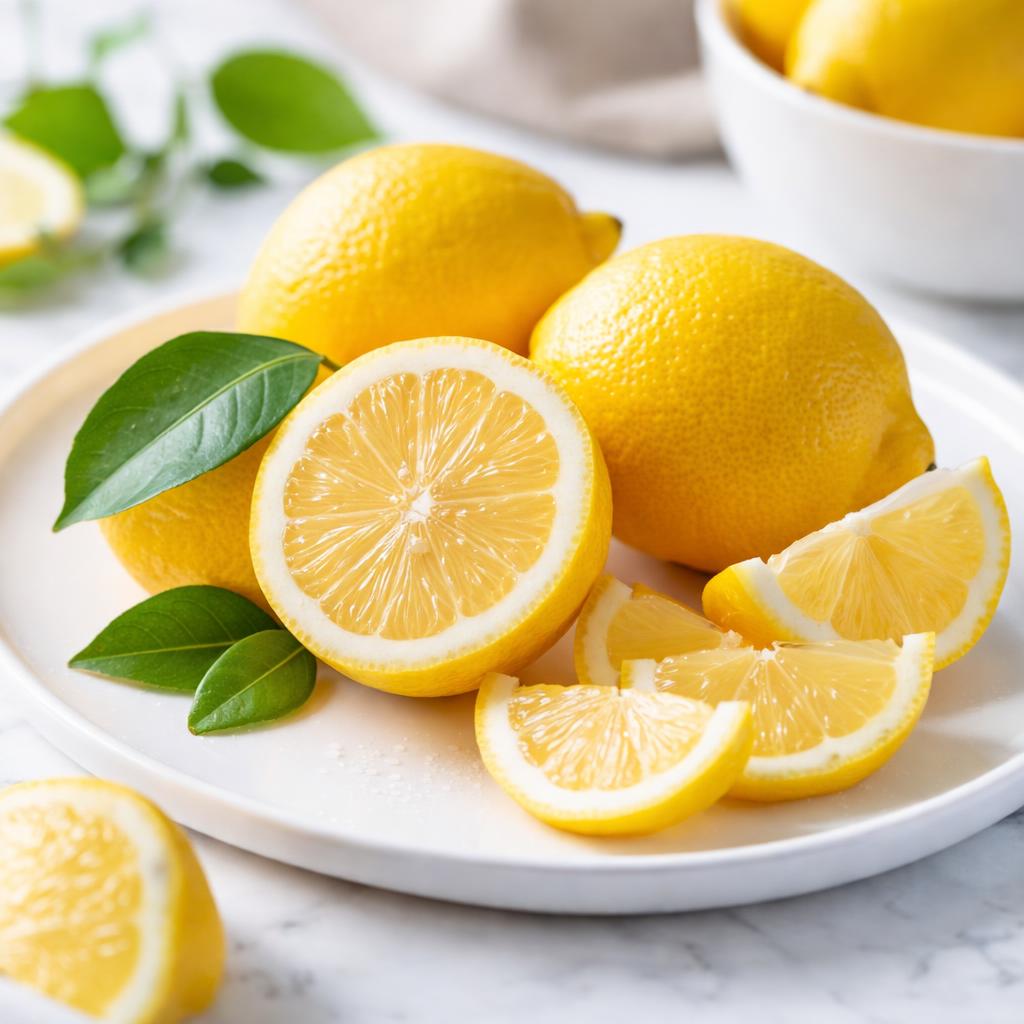
Lemon
🎯 Quick Verdict
Both apples and lemons are nutritious fruits with distinct profiles. Apples are higher in fiber (2.4g vs 1.6g) and better for sustained energy due to their higher carbohydrate content, while lemons are lower in calories (30 per 100g vs 52 per 100g) and richer in vitamin C, making them excellent for immune health. Apples are ideal for snacking, while lemons are best used as a flavor enhancer or in beverages.

Smart Nutrition Tracking with SnapCalorie

📊 Nutritional Comparison
Macronutrients
| Nutrient | Food 1 | Food 2 | Winner |
|---|---|---|---|
| Calories | 52 | 30 | ✓ |
| Protein | 0.3g | 0.3g | − |
| Carbs | 14g | 9g | ✓ |
| Fat | 0.2g | 0.3g | ✓ |
| Fiber | 2.4g | 1.6g | ✓ |
Vitamins & Minerals
| Nutrient | Food 1 | Food 2 | Winner |
|---|---|---|---|
| Vitamin C | 4.6mg | 53mg | ✓ |
| Potassium | 107mg | 138mg | ✓ |
| Calcium | 6mg | 26mg | ✓ |
| Iron | 0.1mg | 0.6mg | ✓ |
🏆 Category Winners
Protein
Both foods contain 0.3g of protein per 100g serving.
Fiber
Apples provide 50% more fiber than lemons.
Calories
Lemons have 42% fewer calories than apples.
Vitamins
Lemons are significantly richer in vitamin C, calcium, and iron.
🥗 Diet Compatibility
Keto
Food 1: Not Compatible
Food 2: Compatible
Lemons are lower in carbohydrates (9g per 100g vs 14g for apples) and fit low-carb requirements.
Vegan
Food 1: Compatible
Food 2: Compatible
Both foods are plant-based and vegan-friendly.
Gluten Free
Food 1: Compatible
Food 2: Compatible
Both are naturally gluten-free fruits.
Paleo
Food 1: Compatible
Food 2: Compatible
Both foods align with paleo dietary principles.
Low-Carb
Food 1: Not Compatible
Food 2: Compatible
Lemons are lower in carbs and suitable for low-carb diets.
💪 Health Benefits Comparison
Food 1 Benefits
- Rich in dietary fiber for digestion and gut health
- Provides natural sugars for sustained energy
- Contains antioxidants that support heart health
- Low in fat and good for weight management
Food 2 Benefits
- Extremely high in vitamin C for immune support
- Good source of potassium for heart and muscle function
- Contains citric acid to aid in kidney stone prevention
- Low in calories and ideal for nutrient-rich hydration
✅ The Bottom Line
If you’re looking for a nutrient-dense, low-calorie option that boosts immunity, choose lemons. Opt for apples if you need a fiber-rich snack or natural energy boost. Both fruits are versatile in their use and offer unique health benefits depending on dietary needs.
Choose Food 1 for: Snacks, digestion, energy boosting, healthy desserts
Choose Food 2 for: Immune health, hydration, kidney support, flavor enhancement


