Apple VS Green Salad
A detailed nutritional comparison
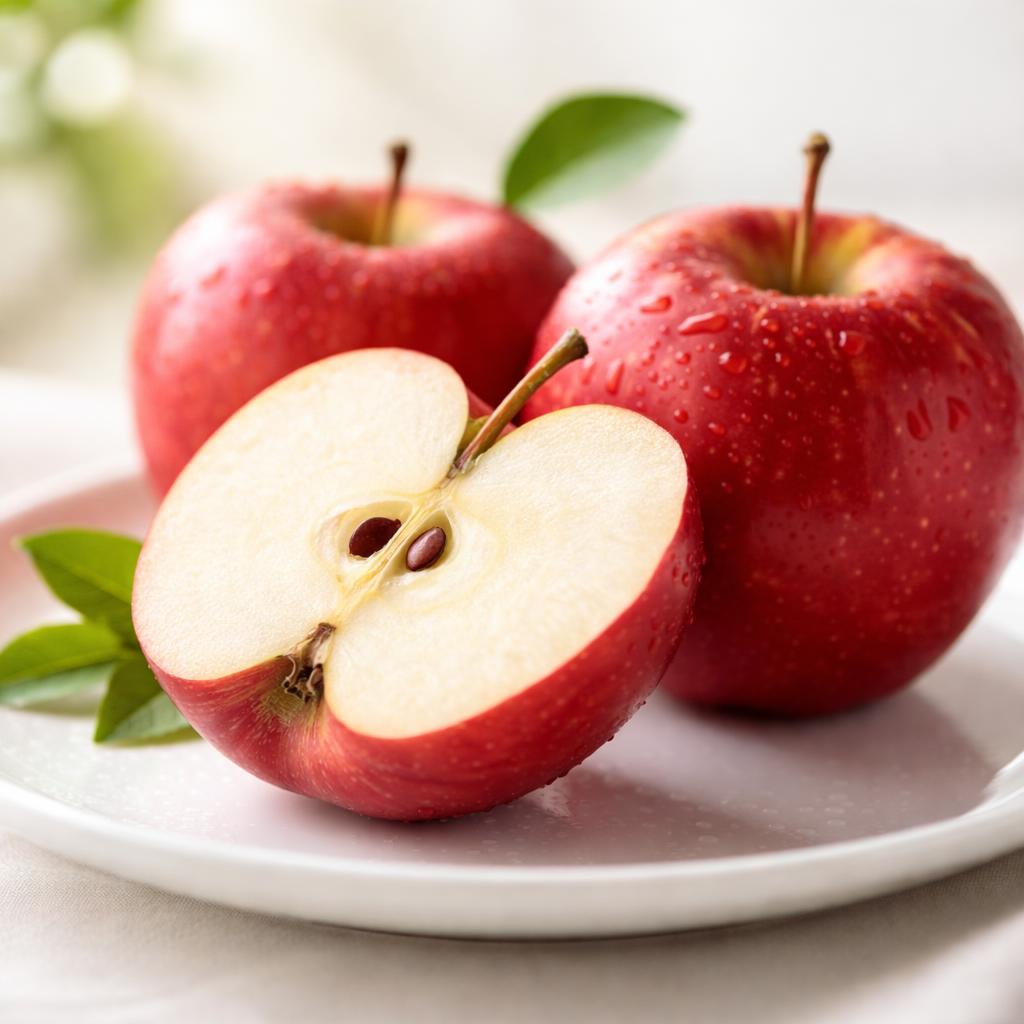
Apple
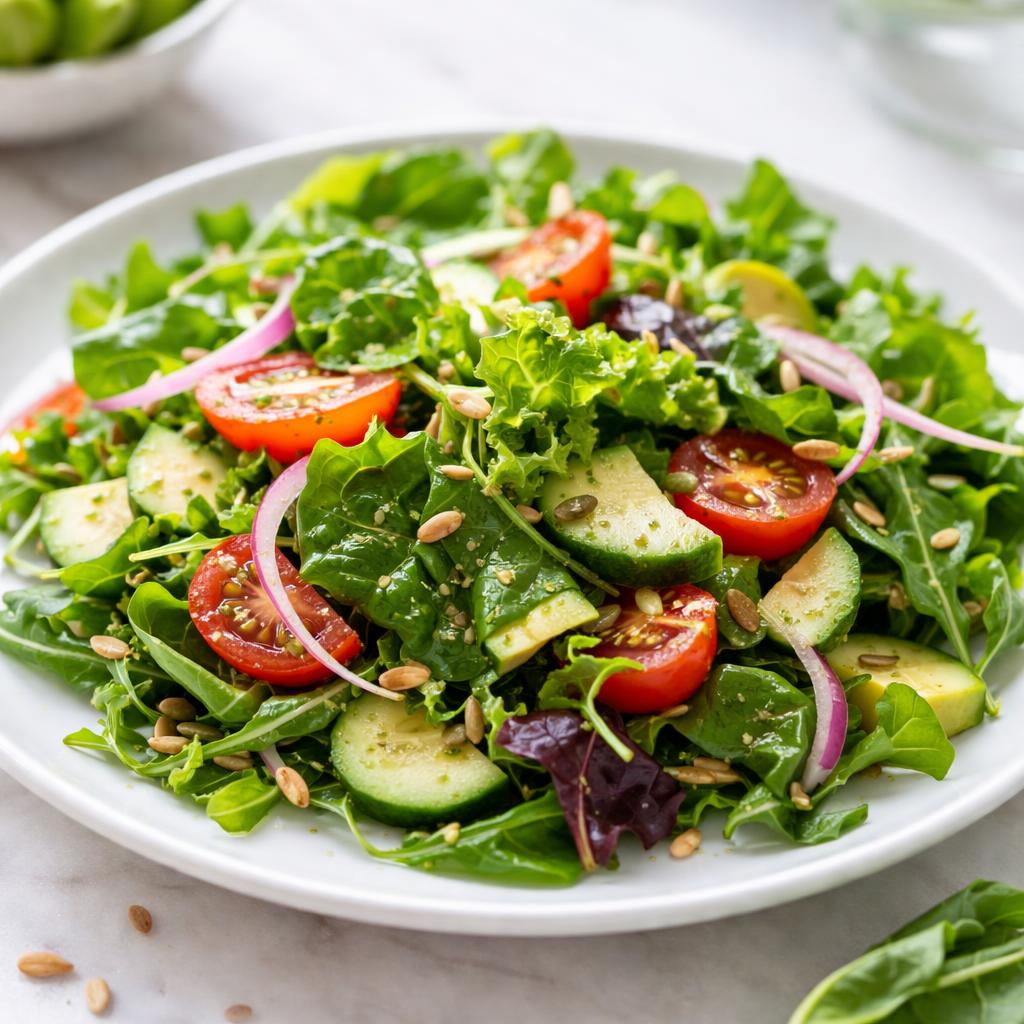
Green Salad
🎯 Quick Verdict
Apples are a sweet, portable fruit high in natural sugars and great for a quick energy boost, while green salad is low-calorie, nutrient-dense, and rich in fiber. Apples are better for convenient snacking, whereas green salad can be a more complete, balanced food for meals or dieting purposes.

Smart Nutrition Tracking with SnapCalorie

📊 Nutritional Comparison
Macronutrients
| Nutrient | Food 1 | Food 2 | Winner |
|---|---|---|---|
| Calories | 95 | 20 | ✓ |
| Protein | 0.5g | 2g | ✓ |
| Carbs | 25g | 5g | ✓ |
| Fat | 0.3g | 0.1g | ✓ |
| Fiber | 4.4g | 2.5g | ✓ |
Vitamins & Minerals
| Nutrient | Food 1 | Food 2 | Winner |
|---|---|---|---|
| Vitamin C | 8mg | 12mg | ✓ |
| Vitamin A | 1mcg | 450mcg | ✓ |
| Calcium | 6mg | 30mg | ✓ |
| Iron | 0.1mg | 0.5mg | ✓ |
🏆 Category Winners
Protein
Green salad contains 300% more protein per serving than an apple.
Fiber
Apples provide 75% more fiber per serving, supporting digestive health.
Calories
Green salad contains 79% fewer calories than an apple, making it ideal for calorie-conscious diets.
Vitamins
Green salad is richer in Vitamin C, Vitamin A, calcium, and iron compared to apples.
🥗 Diet Compatibility
Keto
Food 1: Not Compatible
Food 2: Compatible
Green salad is suitable for keto due to low carbohydrates, while apples are high in natural sugars.
Vegan
Food 1: Compatible
Food 2: Compatible
Both foods are plant-based and vegan-friendly.
Gluten Free
Food 1: Compatible
Food 2: Compatible
Neither food contains gluten.
Paleo
Food 1: Compatible
Food 2: Compatible
Both foods align with paleo principles.
Low-Carb
Food 1: Not Compatible
Food 2: Compatible
Green salad is low in carbohydrates (5g per serving), but apples are relatively high (25g per serving).
💪 Health Benefits Comparison
Food 1 Benefits
- High in natural sugars for quick energy boost
- Rich in antioxidants, like quercetin, for immune support
- Good source of dietary fiber for promoting digestive health
- Contains water for hydration and satiety
Food 2 Benefits
- Low-calorie option great for weight management
- Rich in Vitamin A for eye health
- Good source of Vitamin C for immune defense
- Contains iron and calcium to support bone and blood health
✅ The Bottom Line
Apples are ideal for convenient snacking and a sweet treat, while green salad excels as a nutrient-dense, low-calorie meal base. Choose apples for energy on-the-go and fiber. Opt for green salad if you need a low-calorie, micronutrient-rich option with a focus on protein and overall health.
Choose Food 1 for: On-the-go snacks, digestion, quick energy, sweet cravings
Choose Food 2 for: Weight management, balanced meal supplement, low-carb dieting, nutrient density


