Apple VS Granola
A detailed nutritional comparison
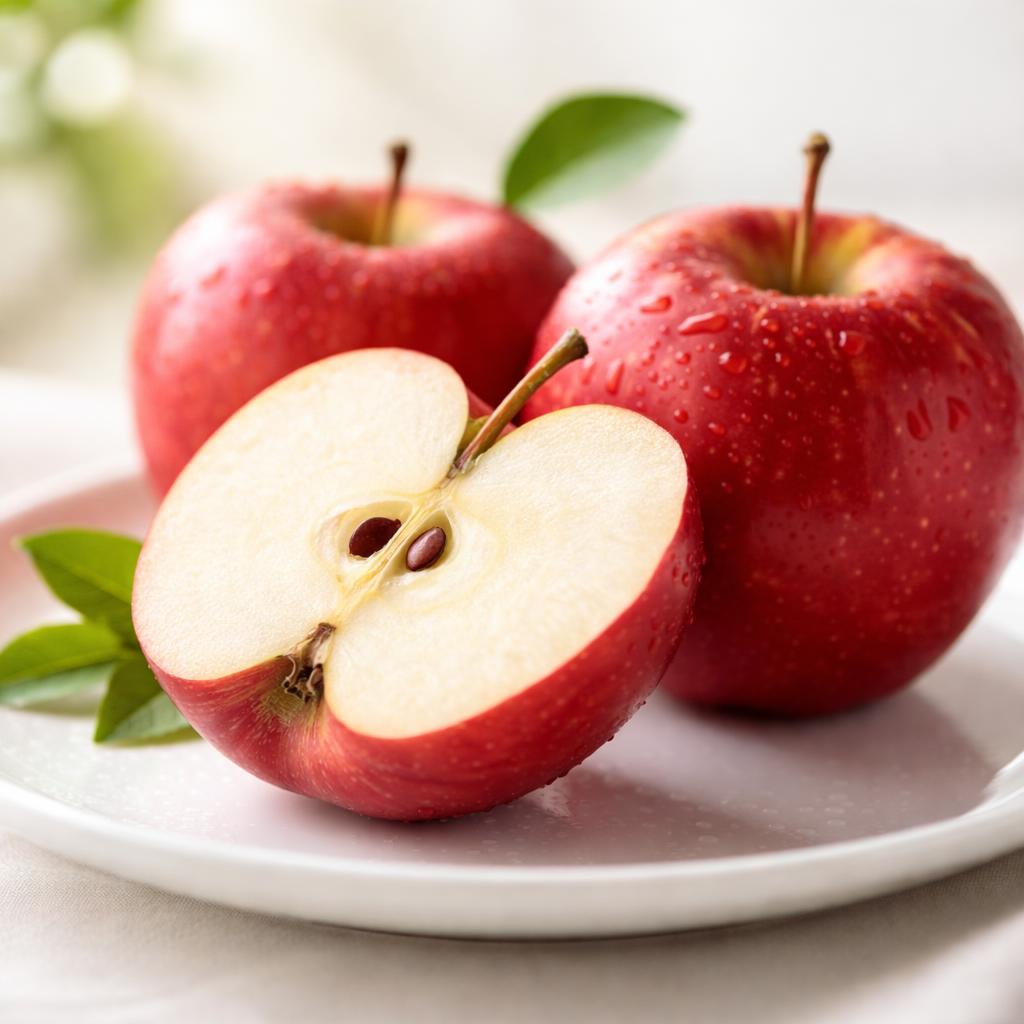
Apple
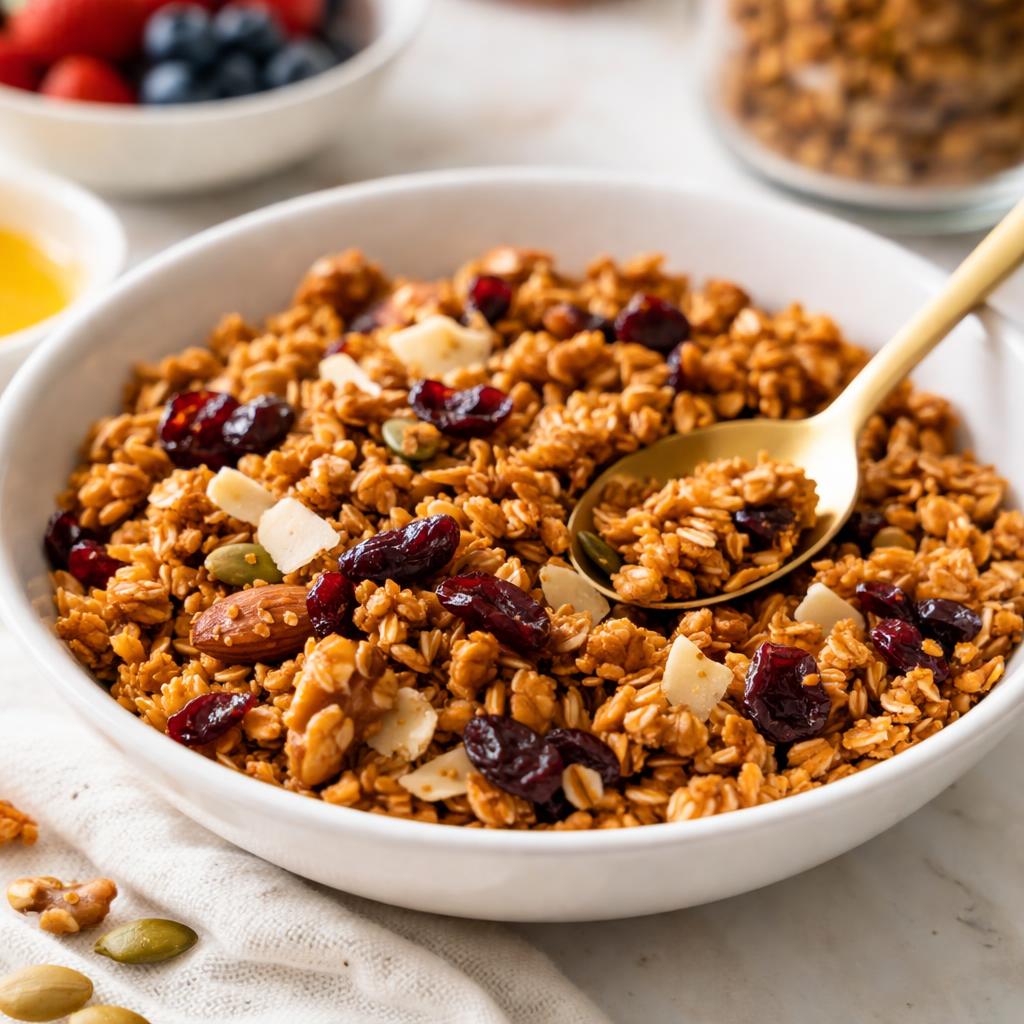
Granola
🎯 Quick Verdict
Apples are lower in calories and sugar, making them ideal for weight management, while granola is higher in protein and fiber, suitable for energy and satiety. Apples are rich in vitamins and antioxidants, while granola provides sustained energy due to its mix of nutrients and healthy fats.

Smart Nutrition Tracking with SnapCalorie

📊 Nutritional Comparison
Macronutrients
| Nutrient | Food 1 | Food 2 | Winner |
|---|---|---|---|
| Calories | 95 | 220 | ✓ |
| Protein | 0.5g | 5g | ✓ |
| Carbs | 25g | 45g | ✓ |
| Fat | 0.3g | 10g | ✓ |
| Fiber | 4g | 5g | ✓ |
Vitamins & Minerals
| Nutrient | Food 1 | Food 2 | Winner |
|---|---|---|---|
| Vitamin C | 8.4mg | 0.2mg | ✓ |
| Calcium | 6mg | 20mg | ✓ |
| Iron | 0.1mg | 2mg | ✓ |
🏆 Category Winners
Protein
Granola contains 10x more protein than an apple.
Fiber
Granola has 25% more fiber per serving compared to an apple.
Calories
Apples are low-calorie at only 95 calories per serving, compared to 220 calories for granola.
Vitamins
Apples provide significantly more Vitamin C for immune support.
🥗 Diet Compatibility
Keto
Food 1: Not Compatible
Food 2: Not Compatible
Both are high in carbs, which is unsuitable for keto diets.
Vegan
Food 1: Compatible
Food 2: Compatible
Both foods are plant-based and vegan-friendly.
Gluten Free
Food 1: Compatible
Food 2: Possibly Not Compatible
Granola may contain grains with gluten, while apples are naturally gluten-free.
Paleo
Food 1: Compatible
Food 2: Not Compatible
Apples fit within paleo guidelines, but granola often contains grain-based or processed ingredients.
Low-Carb
Food 1: Not Compatible
Food 2: Not Compatible
Both foods have moderate to high carbohydrate counts.
💪 Health Benefits Comparison
Food 1 Benefits
- Low in calories, ideal for weight management
- Rich in fiber for improved digestion and gut health
- High levels of Vitamin C and antioxidants to support immune function
- Promotes heart health due to polyphenols
Food 2 Benefits
- Provides sustained energy due to its mix of carbs, healthy fats, and protein
- High in dietary fiber for increased satiety and digestive health
- Contains iron and calcium to support bone health and oxygen transport
- Healthy fats for heart health and anti-inflammatory benefits
✅ The Bottom Line
Choose an apple for a lower-calorie snack packed with antioxidants and vitamins, great for weight loss and heart health. Granola is better suited for energy-rich meals or snacks, with its protein and fiber providing satiety and fueling active lifestyles.
Choose Food 1 for: Weight management, light daily snacking, immune support
Choose Food 2 for: High-energy diets, post-workout recovery, nutrient-dense breakfasts


