Apple VS Ginger
A detailed nutritional comparison
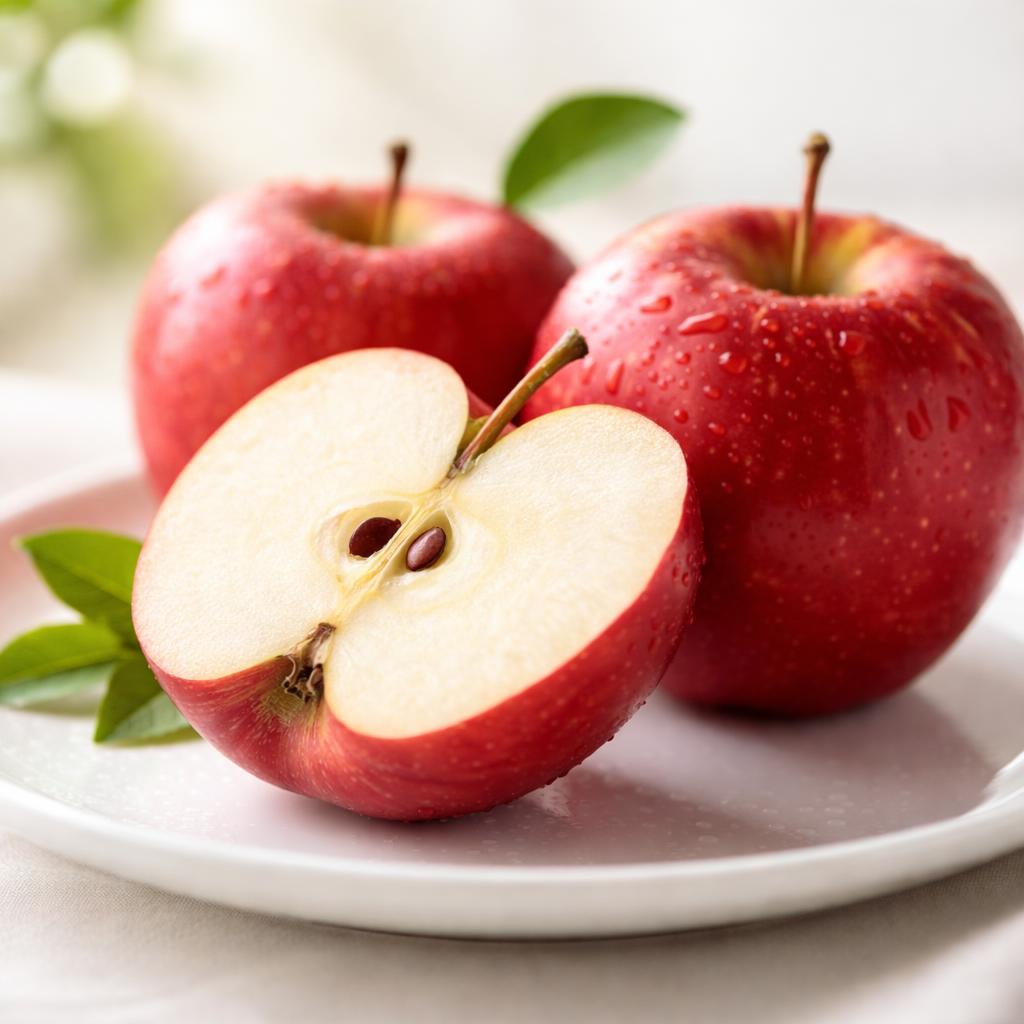
Apple

Ginger
🎯 Quick Verdict
Apples and ginger are nutritionally distinct. Apples provide more carbohydrates, including natural sugars, making them a quick energy source and a hydrating snack. Ginger, on the other hand, is calorie-light and fiber-rich, while also offering anti-inflammatory compounds. Apples are ideal for a refreshing, low-fat option, whereas ginger serves well as a health-boosting addition to dishes or beverages.

Smart Nutrition Tracking with SnapCalorie

📊 Nutritional Comparison
Macronutrients
| Nutrient | Food 1 | Food 2 | Winner |
|---|---|---|---|
| Calories | 95 | 80 | ✓ |
| Protein | 0.5g | 0.8g | − |
| Carbs | 25g | 18g | ✓ |
| Fat | 0.3g | 0.8g | ✓ |
| Fiber | 4g | 5g | ✓ |
Vitamins & Minerals
| Nutrient | Food 1 | Food 2 | Winner |
|---|---|---|---|
| Vitamin C | 8.4mg | 5mg | ✓ |
| Vitamin B6 | 0.04mg | 0.1mg | ✓ |
| Iron | 0.22mg | 0.6mg | ✓ |
| Potassium | 195mg | 250mg | ✓ |
🏆 Category Winners
Protein
Both foods have low protein content, almost equal.
Fiber
Ginger contains 25% more fiber per serving.
Calories
Ginger has slightly fewer calories than apple.
Vitamins
Apple is richer in Vitamin C, while ginger offers slightly higher Iron and Potassium.
🥗 Diet Compatibility
Keto
Food 1: Not Compatible
Food 2: Compatible
Apple is high in natural sugars and carbs, whereas ginger is lower in carbohydrates.
Vegan
Food 1: Compatible
Food 2: Compatible
Both are plant-based foods and fit vegan diets.
Gluten Free
Food 1: Compatible
Food 2: Compatible
Neither contains gluten.
Paleo
Food 1: Compatible
Food 2: Compatible
Both are whole, unprocessed foods suitable for paleo diets.
Low-Carb
Food 1: Not Compatible
Food 2: Compatible
Apple is higher in carbohydrates, ginger is low-carb.
💪 Health Benefits Comparison
Food 1 Benefits
- Rich in water content for hydration
- Good source of dietary fiber for gut health
- Provides antioxidants for cellular protection
Food 2 Benefits
- Anti-inflammatory and beneficial for reducing nausea
- High fiber helps support digestion
- Contains bioactive compounds like gingerol, which boost immunity
✅ The Bottom Line
Choose apples for a refreshing snack or quick energy source, and ginger for its potent anti-inflammatory and digestive health properties. These foods serve different purposes, and both can be staples in a balanced diet.
Choose Food 1 for: Snacking, hydration, antioxidant support
Choose Food 2 for: Digestive health, anti-inflammatory diets, immunity boosts


