Apple VS Empanada
A detailed nutritional comparison
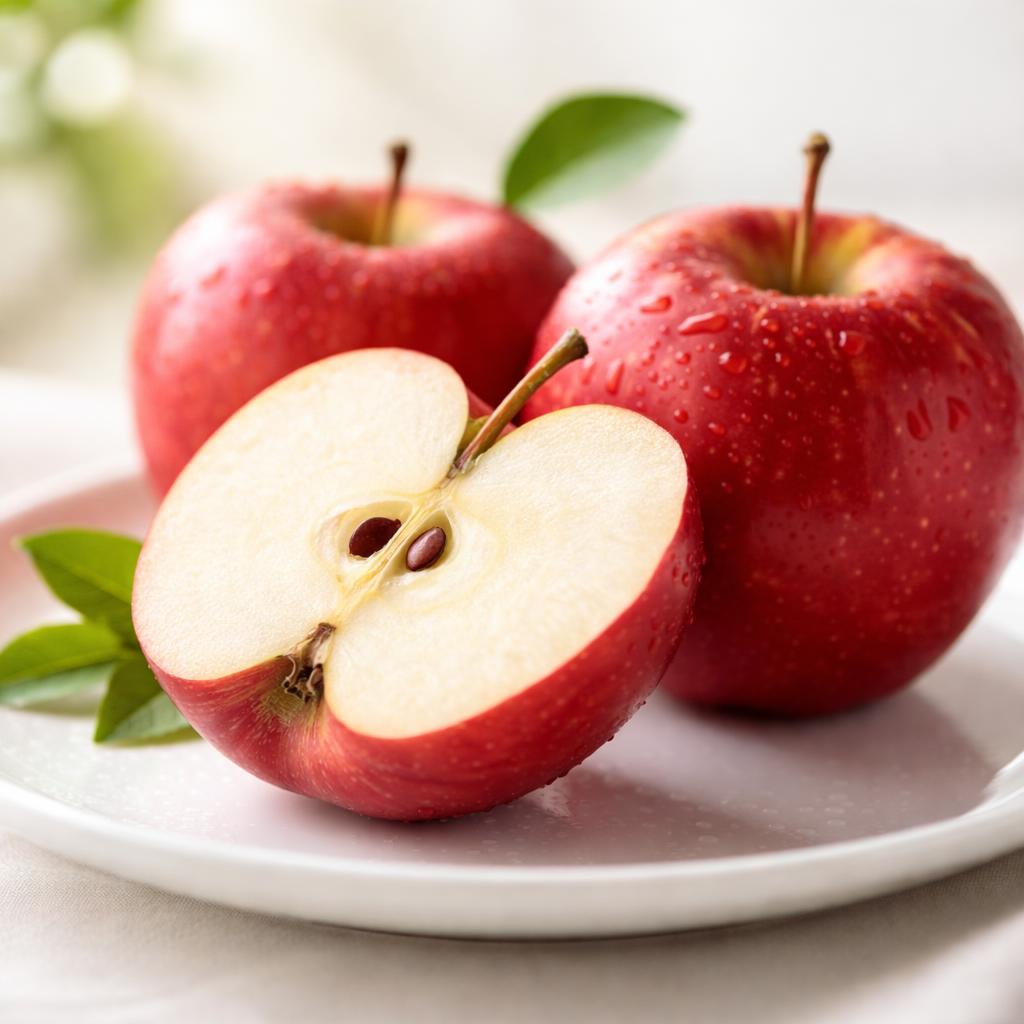
Apple
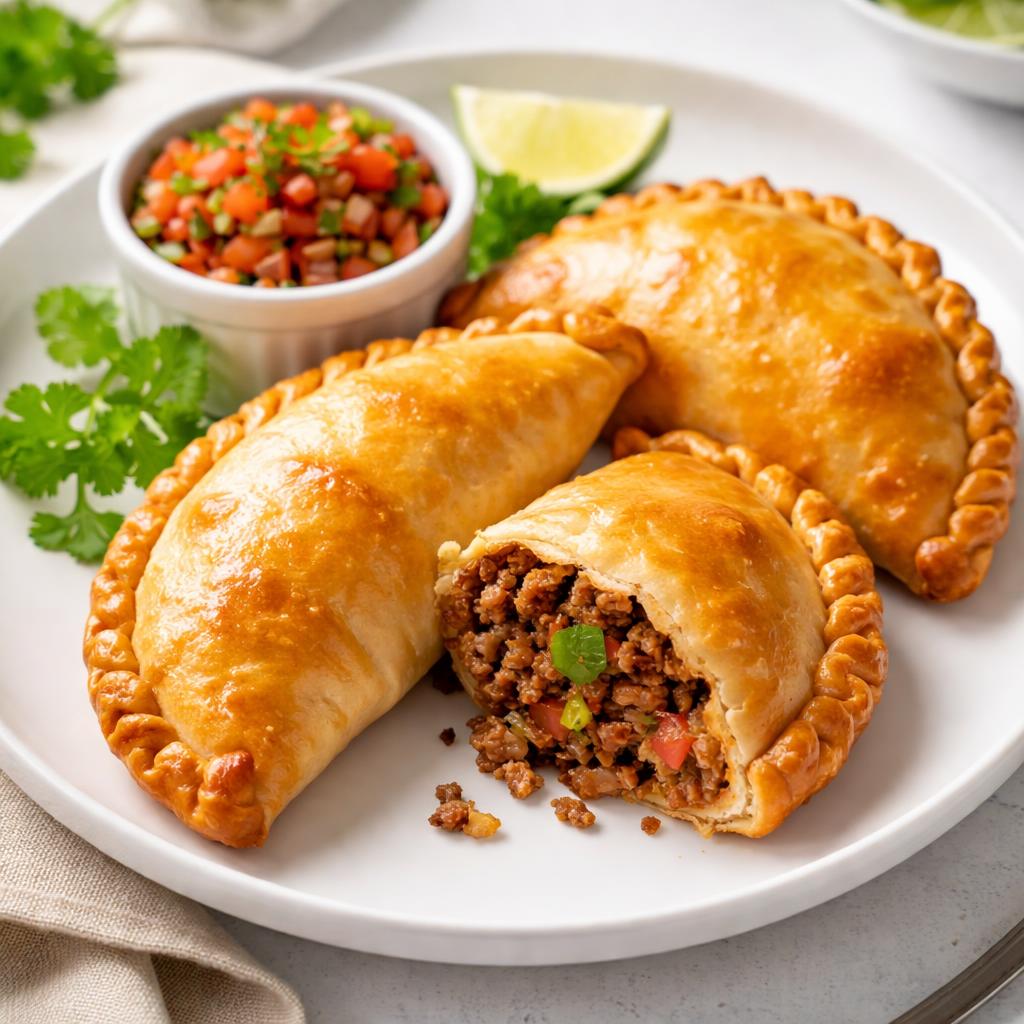
Empanada
🎯 Quick Verdict
Apples and empanadas have distinct nutritional profiles suited for different purposes. Apples are low-calorie and high-fiber, making them excellent for weight management. Empanadas, though calorie-dense, provide higher protein content and fats, making them better for energy and satiety. The choice depends on your dietary goals and preferences.

Smart Nutrition Tracking with SnapCalorie

📊 Nutritional Comparison
Macronutrients
| Nutrient | Food 1 | Food 2 | Winner |
|---|---|---|---|
| Calories | 95 | 300 | ✓ |
| Protein | 0.5g | 8g | ✓ |
| Carbs | 25g | 31g | ✓ |
| Fat | 0.3g | 14g | ✓ |
| Fiber | 4g | 1g | ✓ |
Vitamins & Minerals
| Nutrient | Food 1 | Food 2 | Winner |
|---|---|---|---|
| Vitamin C | 8.4mg | 0.2mg | ✓ |
| Calcium | 6mg | 30mg | ✓ |
| Iron | 0.2mg | 1mg | ✓ |
🏆 Category Winners
Protein
Empanada provides 8g of protein compared to 0.5g in apple.
Fiber
Apple is rich in fiber with 4g per serving, whereas empanada has only 1g.
Calories
Apple has significantly fewer calories at 95 compared to 300 in empanada.
🥗 Diet Compatibility
Keto
Food 1: Not Compatible
Food 2: Not Compatible
Both foods are high in carbs and not suitable for keto diets.
Vegan
Food 1: Compatible
Food 2: Not Compatible
Apple is plant-based, while empanada likely contains animal-derived ingredients like meat or cheese.
Gluten Free
Food 1: Compatible
Food 2: Not Compatible
Apple is naturally gluten-free; empanadas typically contain wheat-based pastry.
Paleo
Food 1: Compatible
Food 2: Not Compatible
Apple is suitable for paleo diets, while empanadas are not due to processed ingredients.
Low-Carb
Food 1: Not Compatible
Food 2: Not Compatible
Both foods have moderate to high carbohydrate content.
💪 Health Benefits Comparison
Food 1 Benefits
- Rich in fiber for improved digestion
- Contains antioxidants that combat oxidative stress
- Source of Vitamin C for immune system support
- Low in calories, ideal for weight management
Food 2 Benefits
- Provides protein for muscle recovery and maintenance
- Contains fats to support energy and satiety
- Offers calcium and iron for bone and blood health
- Rich in calories for sustained energy in active lifestyles
✅ The Bottom Line
For a low-calorie, fiber-rich snack, choose apples as they are great for digestion and weight management. For a more filling, protein-rich meal, empanadas offer higher satiety and energy but come with higher fat and calorie content. Both foods have value depending on your goals.
Choose Food 1 for: Weight management, light snacking, digestion, antioxidant boost
Choose Food 2 for: Meal replacement, muscle recovery, high-energy needs, satiety


