Apple VS Chili
A detailed nutritional comparison
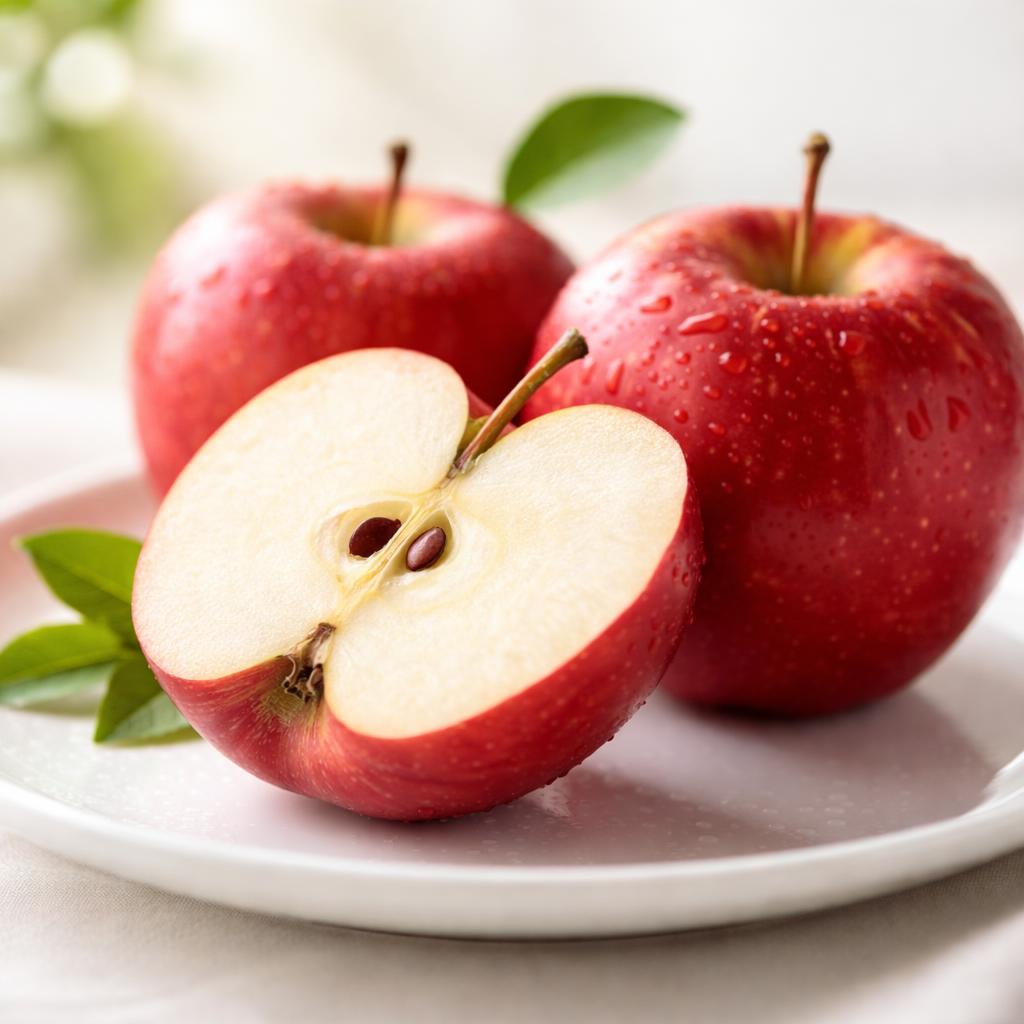
Apple
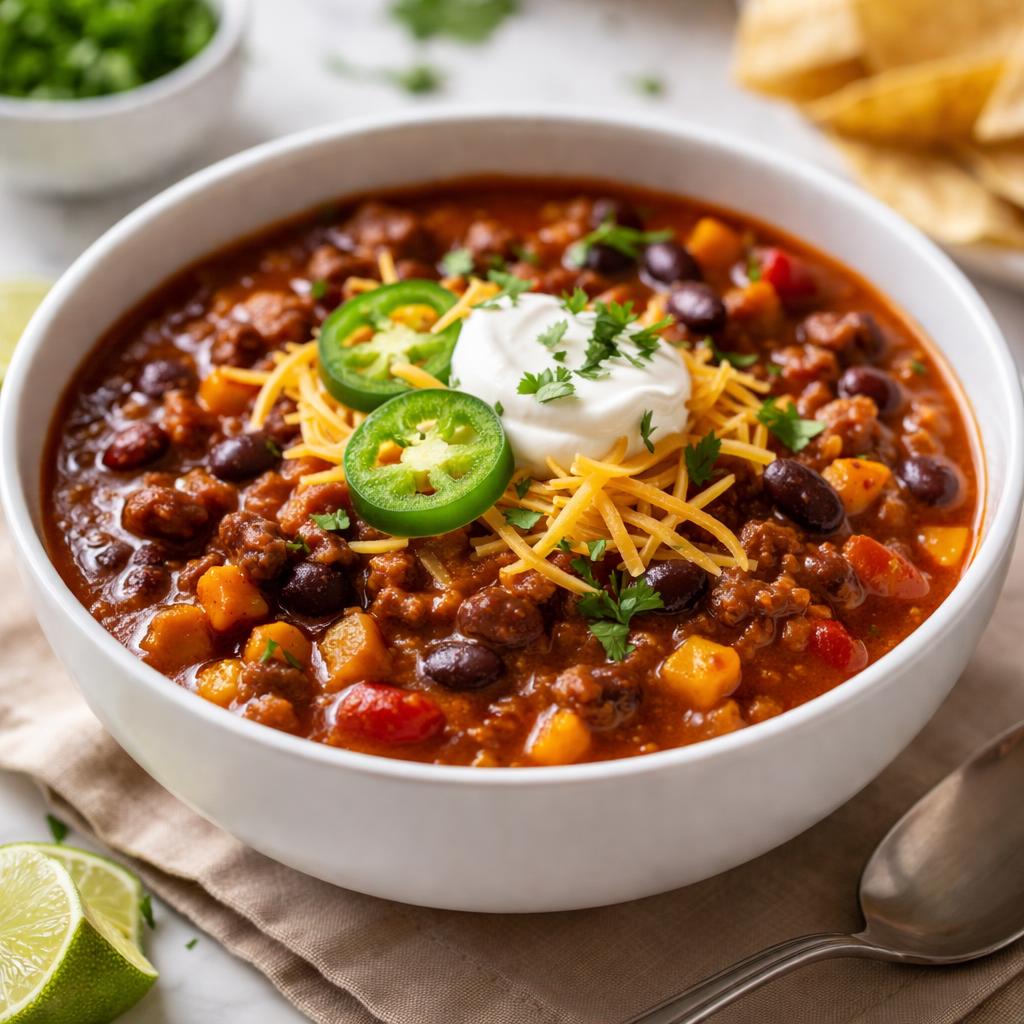
Chili
🎯 Quick Verdict
Apples are a low-calorie, fiber-rich fruit suited for digestion support and light snacking, while chili peppers are nutrient-dense, higher in protein, and rich in capsaicin, which supports metabolism and inflammation reduction. Both foods provide unique benefits suited to different dietary needs and goals.

Smart Nutrition Tracking with SnapCalorie

📊 Nutritional Comparison
Macronutrients
| Nutrient | Food 1 | Food 2 | Winner |
|---|---|---|---|
| Calories | 95 | 40 | ✓ |
| Protein | 0.3g | 1.5g | ✓ |
| Carbs | 25g | 9g | ✓ |
| Fat | 0.3g | 0.4g | ✓ |
| Fiber | 4g | 1.5g | ✓ |
Vitamins & Minerals
| Nutrient | Food 1 | Food 2 | Winner |
|---|---|---|---|
| Vitamin A | 2 IU | 148 IU | ✓ |
| Vitamin C | 8.4mg | 143.7mg | ✓ |
| Calcium | 11mg | 7mg | ✓ |
| Iron | 0.22mg | 0.55mg | ✓ |
| Potassium | 195mg | 322mg | ✓ |
🏆 Category Winners
Protein
Chili contains 5x more protein than an apple per serving (1.5g vs 0.3g).
Fiber
Apples have over 2.5x more fiber per serving (4g vs 1.5g).
Calories
Chili is a low-calorie food with less than half the calories of an apple (40 vs 95).
Vitamins
Chili is significantly richer in vitamins A, C, iron, and potassium compared to an apple.
🥗 Diet Compatibility
Keto
Food 1: Not Compatible
Food 2: Compatible
Chili peppers are low-carb (9g per serving), but apples are high-carb (25g per serving).
Vegan
Food 1: Compatible
Food 2: Compatible
Both foods are plant-based and suitable for vegan diets.
Gluten Free
Food 1: Compatible
Food 2: Compatible
Both are naturally gluten-free foods.
Paleo
Food 1: Compatible
Food 2: Compatible
Apples and chili are whole, unprocessed foods allowed on paleo diets.
Low Carb
Food 1: Not Compatible
Food 2: Compatible
Chili has significantly fewer carbs (9g) than apples (25g), making it better suited for low-carb diets.
💪 Health Benefits Comparison
Food 1 Benefits
- Rich in fiber, promoting healthy digestion and gut health
- Low-calorie snack for weight management
- Supports hydration and boosts immunity with Vitamin C content
Food 2 Benefits
- High in capsaicin, which may enhance metabolism and reduce inflammation
- Excellent source of Vitamin C for immune system support
- Rich in potassium, beneficial for heart health and muscle function
✅ The Bottom Line
Choose apples for a filling snack, digestion support, or weight management goals due to its fiber content and low-calorie profile. Opt for chili peppers when looking for a nutrient-dense, low-carb option loaded with antioxidants and metabolism-boosting potential.
Choose Food 1 for: Weight management, digestive health, quick snacks
Choose Food 2 for: Low-carb diets, immune support, anti-inflammatory benefits


