Apple VS Cherry
A detailed nutritional comparison
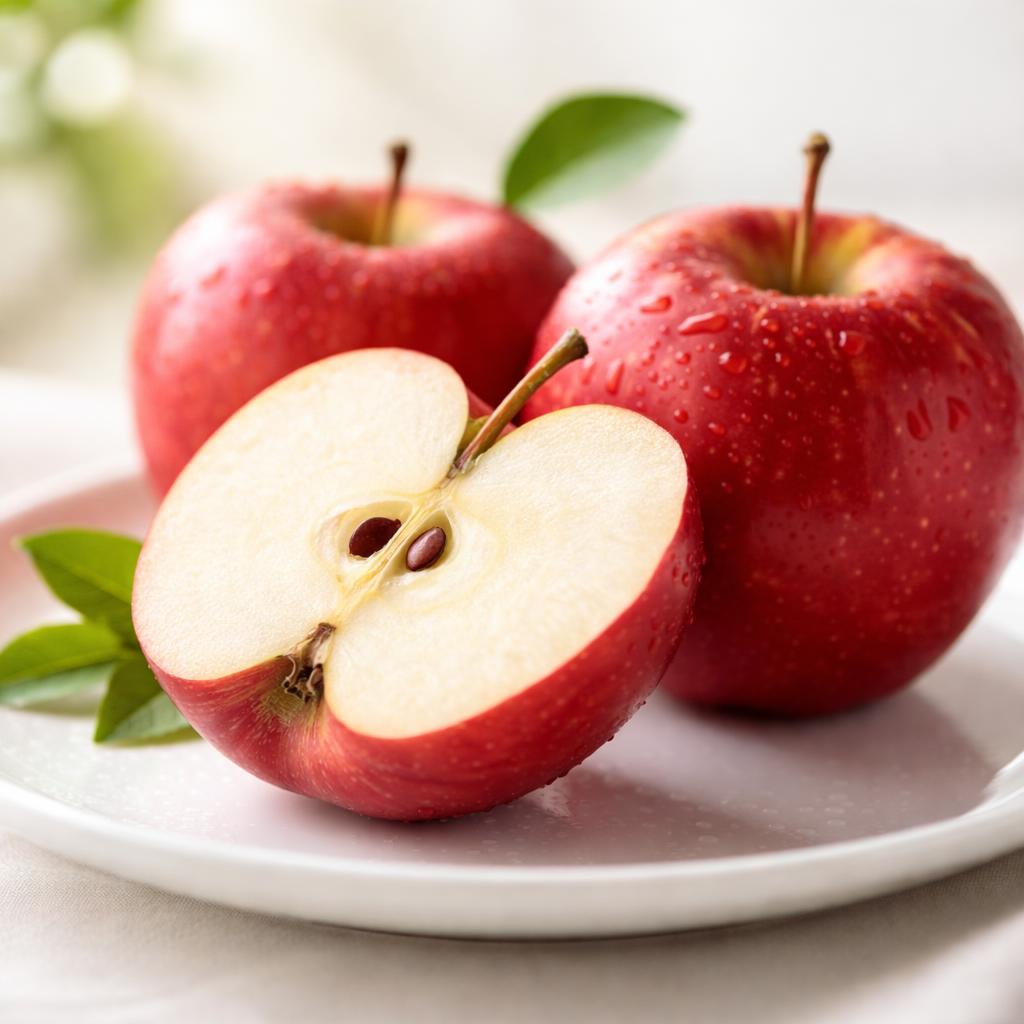
Apple

Cherry
🎯 Quick Verdict
Both apples and cherries are nutritious fruits, but they differ in their nutritional profile. Cherries have fewer calories and more fiber per serving, while apples have slightly higher vitamin C levels. Apples are more versatile for snacks and cooking, while cherries are excellent for low-calorie desserts and snacking.

Smart Nutrition Tracking with SnapCalorie

📊 Nutritional Comparison
Macronutrients
| Nutrient | Food 1 | Food 2 | Winner |
|---|---|---|---|
| Calories | 95 (medium, 182g) | 50 (1 cup, 138g) | ✓ |
| Protein | 0.5g | 1g | − |
| Carbs | 25g | 12g | ✓ |
| Fat | 0.3g | 0.3g | − |
| Fiber | 4g | 2.5g | ✓ |
Vitamins & Minerals
| Nutrient | Food 1 | Food 2 | Winner |
|---|---|---|---|
| Vitamin C | 8.4mg | 7mg | ✓ |
| Vitamin A | 3mcg | 64mcg | ✓ |
| Calcium | 12mg | 18mg | ✓ |
| Iron | 0.2mg | 0.3mg | ✓ |
🏆 Category Winners
Protein
Both apple and cherry contain small and comparable amounts of protein.
Fiber
Apple has 60% more fiber per serving.
Calories
Cherries have around 47% fewer calories per serving.
Vitamins
Cherries contain higher levels of vitamin A, calcium, and iron than apples.
🥗 Diet Compatibility
Keto
Food 1: Not Compatible
Food 2: Not Compatible
Both contain high carbohydrates that are not suitable for keto diets.
Vegan
Food 1: Compatible
Food 2: Compatible
Both are plant-based foods.
Gluten Free
Food 1: Compatible
Food 2: Compatible
Neither food contains gluten.
Paleo
Food 1: Compatible
Food 2: Compatible
Both fruits are allowed in paleo diets.
Low-Carb
Food 1: Not Compatible
Food 2: Partially Compatible
Cherries are lower in carbs compared to apples.
💪 Health Benefits Comparison
Food 1 Benefits
- Rich in fiber for improved digestion
- Contains antioxidants to support immunity
- Provides vitamin C for healthy skin and wound healing
- Low fat and calorie content for weight management
Food 2 Benefits
- High in anthocyanins, which have anti-inflammatory properties
- Supports heart health with potassium and antioxidants
- Contains natural melatonin for better sleep
- Rich in vitamin A, beneficial for eye health
✅ The Bottom Line
Both apples and cherries have unique health advantages. Apples are higher in fiber and vitamin C, making them great for digestion and immune health. Cherries, on the other hand, are lower in calories and rich in antioxidants, supportive of heart health and sleep. Choose apples for versatile snacks or when fiber is a priority, and cherries when looking for a low-calorie, nutrient-dense fruit.
Choose Food 1 for: Improved digestion, filling snacks, immune health
Choose Food 2 for: Low-calorie diets, anti-inflammatory benefits, heart health


