Apple VS Cheddar
A detailed nutritional comparison
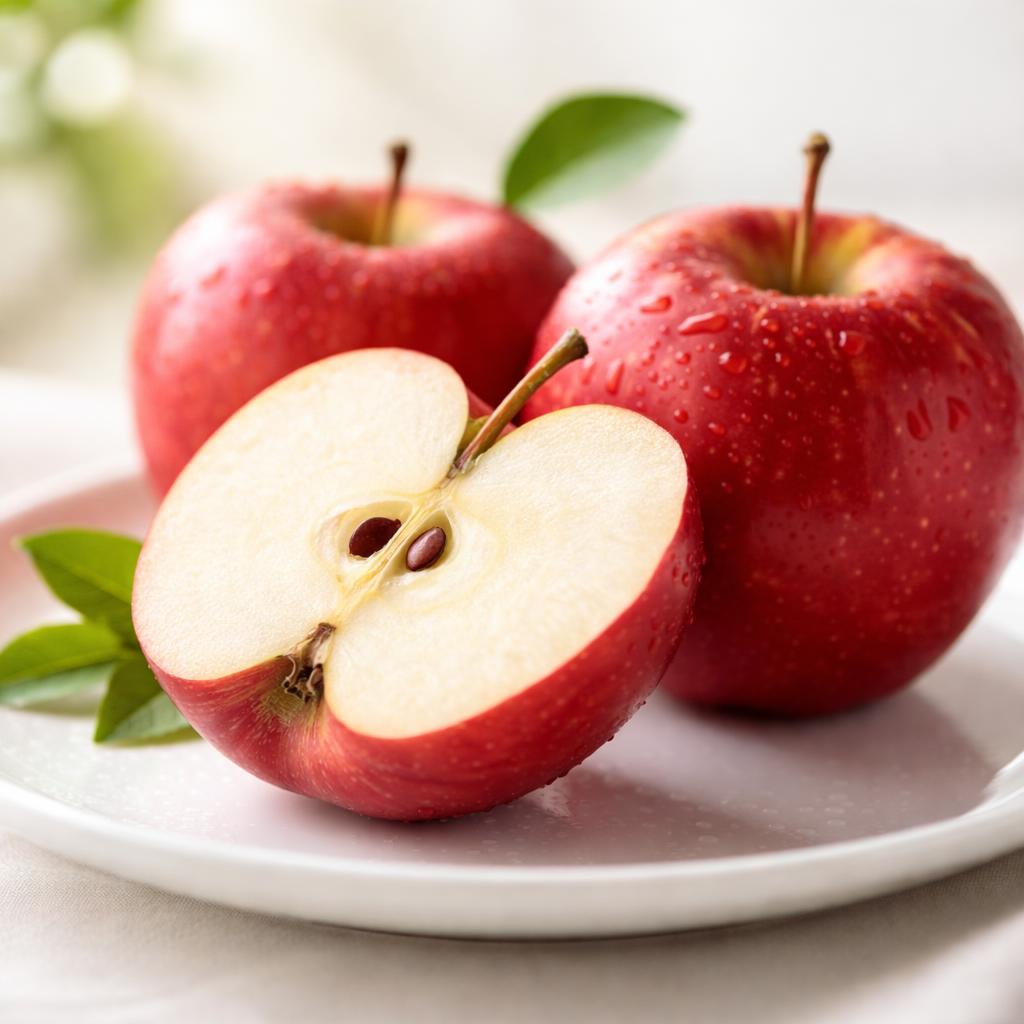
Apple

Cheddar
🎯 Quick Verdict
Apples are nutrient-dense fruits that are low in calories and high in fiber, making them ideal for weight management and digestion. Cheddar, on the other hand, is high in protein and fats, is calorie-dense, and provides significant amounts of calcium, making it better suited for muscle maintenance and bone health. Depending on dietary goals, each food offers distinct advantages.

Smart Nutrition Tracking with SnapCalorie

📊 Nutritional Comparison
Macronutrients
| Nutrient | Food 1 | Food 2 | Winner |
|---|---|---|---|
| Calories | 95 | 403 | ✓ |
| Protein | 0.5g | 25g | ✓ |
| Carbs | 25g | 1.3g | ✓ |
| Fat | 0.3g | 33g | ✓ |
| Fiber | 4g | 0g | ✓ |
Vitamins & Minerals
| Nutrient | Food 1 | Food 2 | Winner |
|---|---|---|---|
| Vitamin A | 98 IU | 299 IU | ✓ |
| Vitamin C | 8.4mg | 0mg | ✓ |
| Calcium | 11mg | 721mg | ✓ |
| Iron | 0.2mg | 0.7mg | ✓ |
🏆 Category Winners
Protein
Cheddar contains 50x the protein of an apple, prioritizing muscle-building and repair.
Fiber
Apples have 4g of fiber, while cheddar contains none.
Calories
Apples provide 95 calories per serving versus cheddar's 403 calories.
Vitamins
Food1 excels in Vitamin C, while Food2 provides greater Vitamin A and calcium.
🥗 Diet Compatibility
Keto
Food 1: Not Compatible
Food 2: Compatible
Cheddar is high-fat, low-carb, while apples are high-carb.
Vegan
Food 1: Compatible
Food 2: Not Compatible
Apples are plant-based; cheddar is dairy-based.
Gluten Free
Food 1: Compatible
Food 2: Compatible
Neither contains gluten.
Paleo
Food 1: Compatible
Food 2: Not Compatible
Apples fit paleo guidelines, but cheddar is excluded due to dairy.
Low Carb
Food 1: Not Compatible
Food 2: Compatible
Apples have 25g carbs; cheddar contains only 1.3g per serving.
💪 Health Benefits Comparison
Food 1 Benefits
- Rich in fiber for improved digestion
- Low in calories, ideal for weight management
- High in Vitamin C to boost immunity
Food 2 Benefits
- Excellent source of protein for muscle repair and maintenance
- High in calcium to support strong bones and teeth
- Contains healthy fats for energy and satiety
✅ The Bottom Line
Choose apples for weight loss and digestive health, as they are low-calorie and rich in fiber. Opt for cheddar if you're focused on muscle-building, calcium intake, or following a low-carb or keto diet.
Choose Food 1 for: Weight loss, general snacking, digestion improvement
Choose Food 2 for: Muscle-building, calcium-rich diets, keto or low-carb eating


