Apple VS Chai
A detailed nutritional comparison
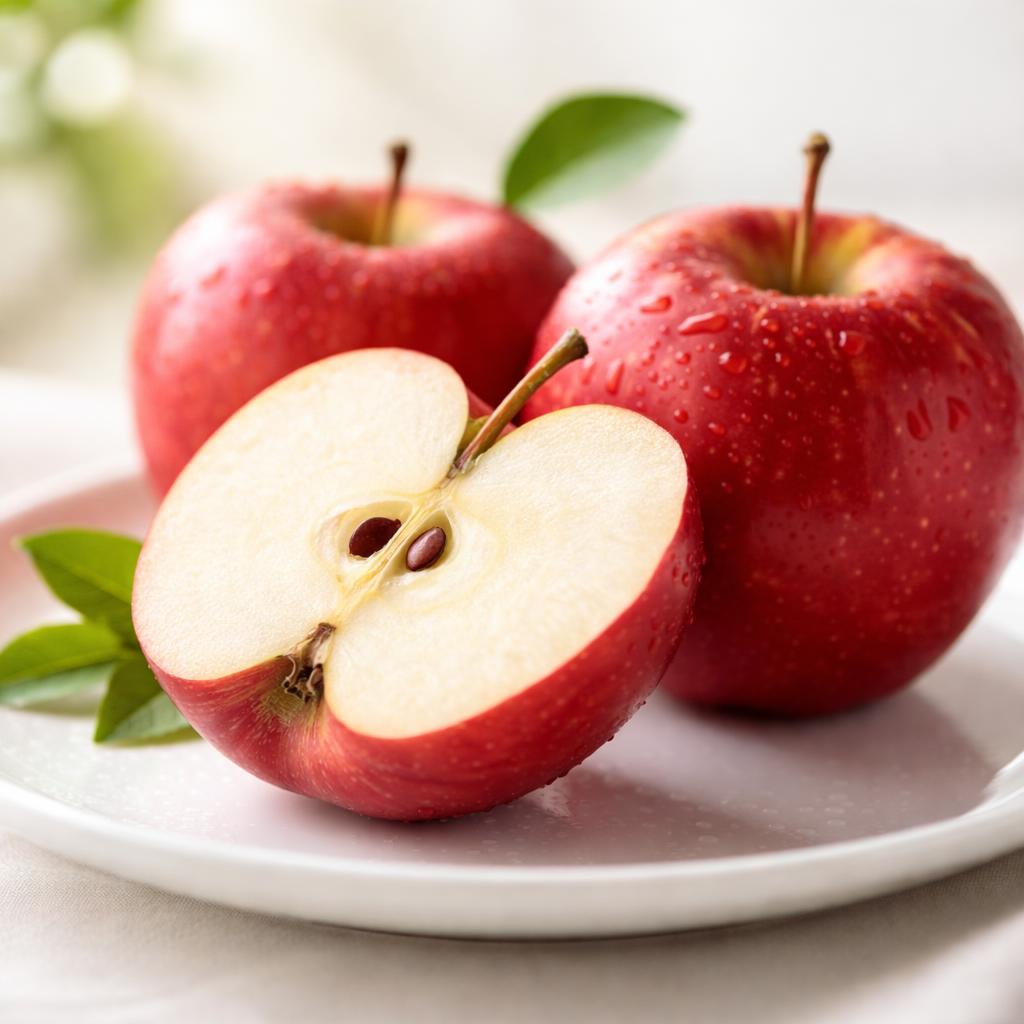
Apple

Chai
🎯 Quick Verdict
Apples and chai serve different purposes in nutrition. Apples provide fiber and vitamins with low calories, making them ideal as a portable, nutrient-rich snack. Chai, a spiced tea mix, offers negligible fiber but boasts antioxidants, moderate protein from milk (optional), and potential energy benefits when paired with milk or sweeteners. Choose apples for digestion and whole-food nourishment and chai for warming beverages or mild energy boosts.

Smart Nutrition Tracking with SnapCalorie

📊 Nutritional Comparison
Macronutrients
| Nutrient | Food 1 | Food 2 | Winner |
|---|---|---|---|
| Calories | 95 | 120 | ✓ |
| Protein | 0.5g | 4g | ✓ |
| Carbs | 25g | 16g | ✓ |
| Fat | 0.3g | 5g | ✓ |
| Fiber | 4g | 0g | ✓ |
Vitamins & Minerals
| Nutrient | Food 1 | Food 2 | Winner |
|---|---|---|---|
| Vitamin C | 8.4mg | 2mg | ✓ |
| Calcium | 11mg | 150mg | ✓ |
| Iron | 0.2mg | 1mg | ✓ |
🏆 Category Winners
Protein
Chai has significantly more protein when milk is added.
Fiber
Apples contain 4g of fiber per serving, making them an excellent source.
Calories
Apples are lower-calorie at 95 calories compared to 120 calories for chai.
Vitamins
Apples supply more vitamin C for immune health.
🥗 Diet Compatibility
Keto
Food 1: Not Compatible
Food 2: Compatible
Apples are carb-heavy, but chai can fit keto if prepared unsweetened.
Vegan
Food 1: Compatible
Food 2: Compatible
Both are fully plant-based if milk is left out of chai.
Gluten Free
Food 1: Compatible
Food 2: Compatible
Neither food contains gluten naturally.
Paleo
Food 1: Compatible
Food 2: Not Compatible
Apples are a paleo-friendly whole food, whereas chai may deviate based on sweetness or milk.
Low-Carb
Food 1: Not Compatible
Food 2: Compatible
Apples contain 25g carbs, whereas chai is lower-carb if unsweetened.
💪 Health Benefits Comparison
Food 1 Benefits
- High in fiber to support digestion and gut health
- Rich in vitamin C for immune system support
- Low-calorie content for weight management
Food 2 Benefits
- Natural antioxidants from spices strengthen health
- Moderate protein for muscle repair (with milk)
- Calcium-rich (with milk) for bone health
✅ The Bottom Line
Choose apples for a fiber-rich, vitamin-packed snack that aids digestion and supports weight management. Opt for chai when seeking a warming drink with antioxidants, mild energy boosts, and protein/calcium (if made with milk). Their roles complement rather than compete.
Choose Food 1 for: Snack, gut health, weight management, immune support
Choose Food 2 for: Hot beverage, antioxidants, bone health, moderate protein needs


