Apple VS Carrot Juice
A detailed nutritional comparison
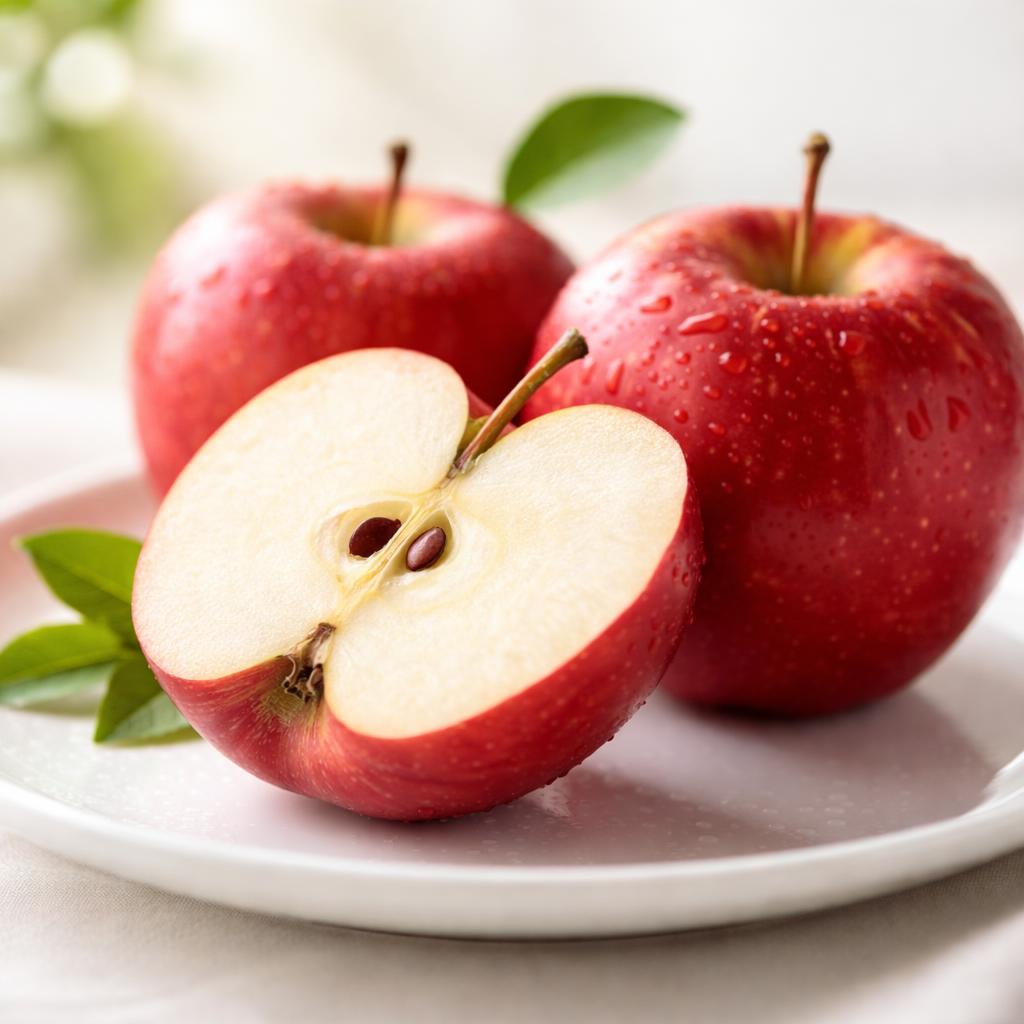
Apple
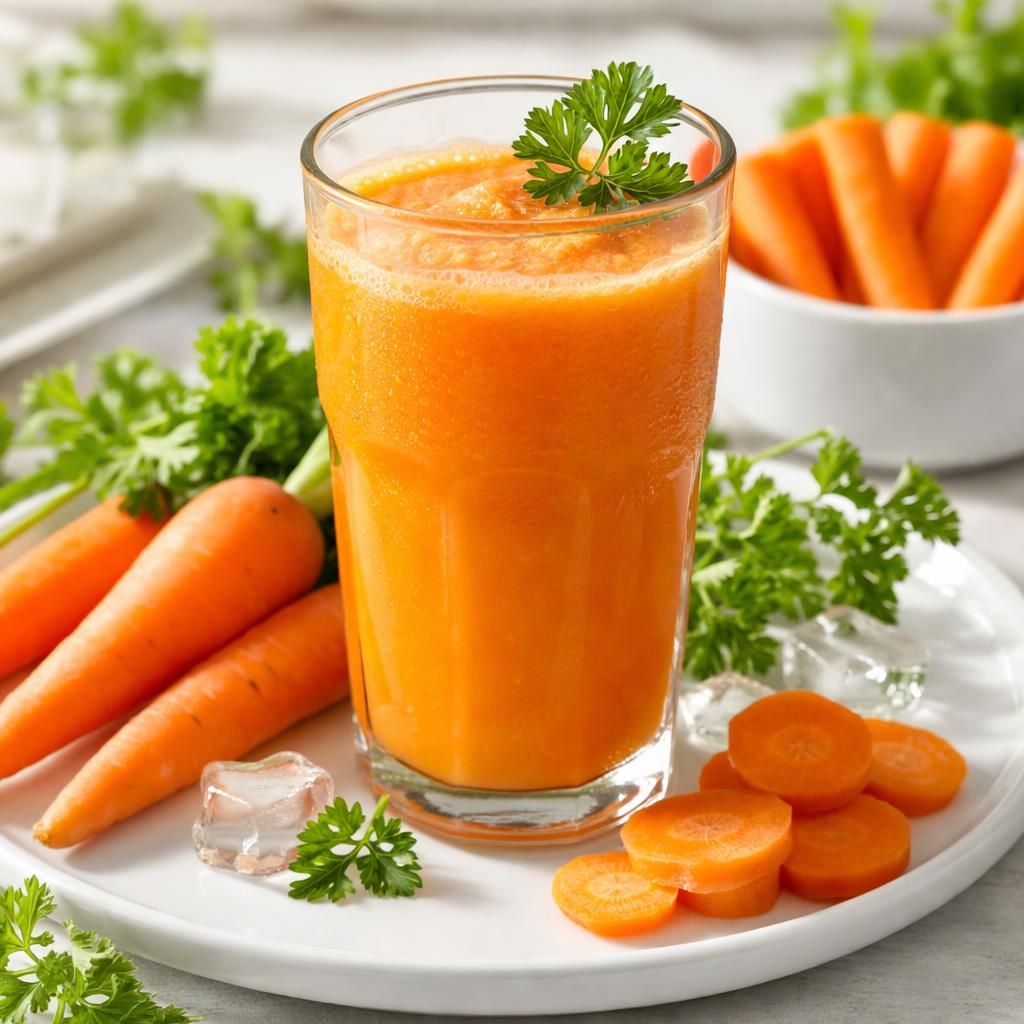
Carrot Juice
🎯 Quick Verdict
Apples are lower in calories and provide more fiber, making them ideal for digestion and weight management. Carrot juice offers higher protein and a broader spectrum of vitamins, particularly Vitamin A and potassium, making it great for energy and eye health. Both are excellent choices based on dietary priorities.

Smart Nutrition Tracking with SnapCalorie

📊 Nutritional Comparison
Macronutrients
| Nutrient | Food 1 | Food 2 | Winner |
|---|---|---|---|
| Calories | 95 | 120 | ✓ |
| Protein | 0.5g | 1.2g | ✓ |
| Carbs | 25g | 28g | ✓ |
| Fat | 0.3g | 0.2g | ✓ |
| Fiber | 4g | 0.8g | ✓ |
Vitamins & Minerals
| Nutrient | Food 1 | Food 2 | Winner |
|---|---|---|---|
| Vitamin A | 3mcg | 956mcg | ✓ |
| Vitamin C | 8mg | 7mg | ✓ |
| Potassium | 195mg | 689mg | ✓ |
| Calcium | 11mg | 25mg | ✓ |
| Iron | 0.1mg | 0.2mg | ✓ |
🏆 Category Winners
Protein
Carrot juice provides more than double the protein per serving compared to apples.
Fiber
Apples have 5x more fiber than carrot juice, supporting digestive health.
Calories
Apples are lower in calories by approximately 25%. Perfect for weight-conscious diets.
Vitamins
Carrot juice is significantly richer in Vitamin A, potassium, and calcium.
🥗 Diet Compatibility
Keto
Food 1: Not Compatible
Food 2: Not Compatible
Both are higher in carbs and not suitable for strict keto diets.
Vegan
Food 1: Compatible
Food 2: Compatible
Both are fully plant-based.
Gluten Free
Food 1: Compatible
Food 2: Compatible
Neither contains gluten ingredients.
Paleo
Food 1: Compatible
Food 2: Compatible
Both are paleo-friendly whole foods.
Low-Carb
Food 1: Not Compatible
Food 2: Not Compatible
Both have high carbohydrate content, exceeding typical low-carb diet allowances.
💪 Health Benefits Comparison
Food 1 Benefits
- High in fiber for improved digestion and satiety
- Rich in antioxidants that support heart health
- Contains Vitamin C to enhance immune function
- Low calorie content for weight management
Food 2 Benefits
- Packed with Vitamin A to maintain eye health
- Provides potassium for muscle and nerve function
- Contains iron and calcium for better bone health
- Offers antioxidants for reducing inflammation
✅ The Bottom Line
Choose apples if you want a high-fiber, low-calorie snack ideal for digestion and weight management. Opt for carrot juice if you're focused on boosting Vitamin A and potassium levels for energy and vitality. Both are versatile options that fit into most diets.
Choose Food 1 for: Weight loss, digestion, light snacking
Choose Food 2 for: Energy, eye health, nutrient-dense beverages


