Apple VS Caramelized Onions
A detailed nutritional comparison
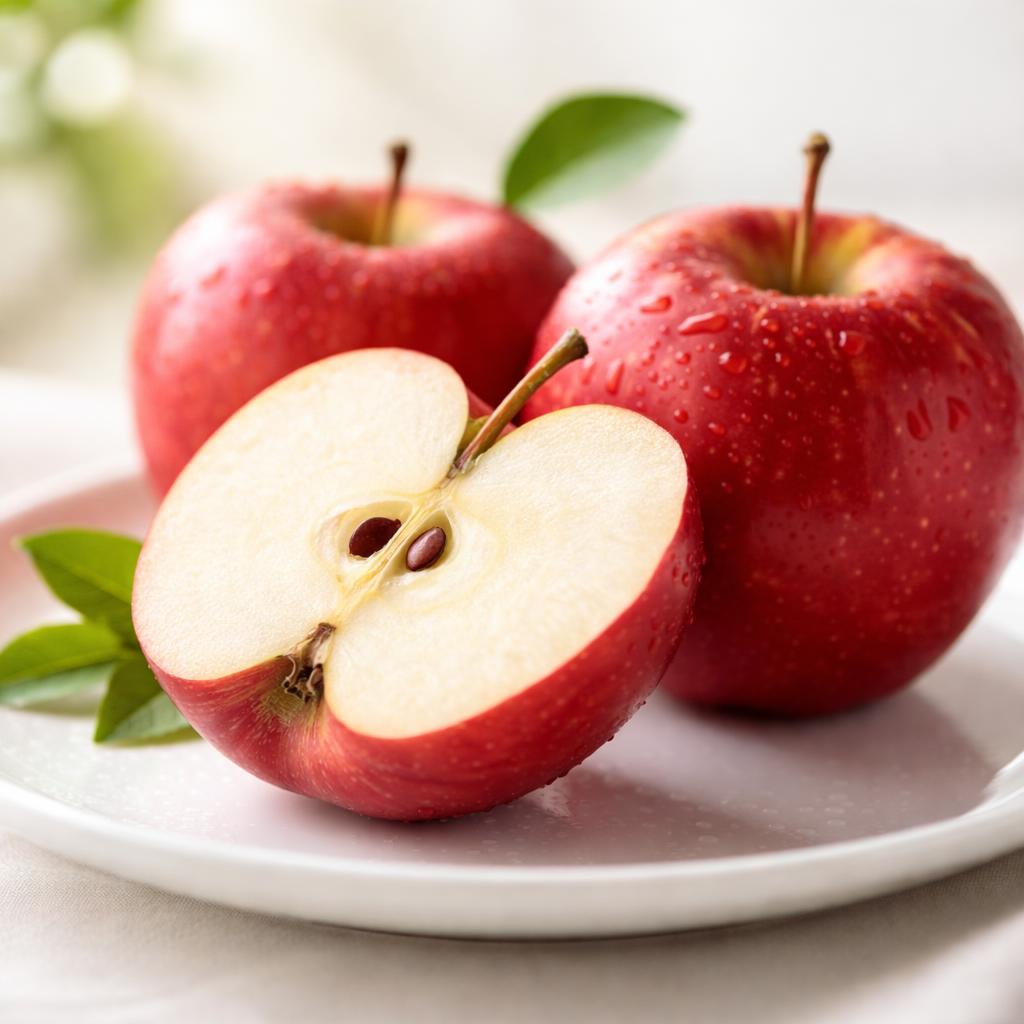
Apple
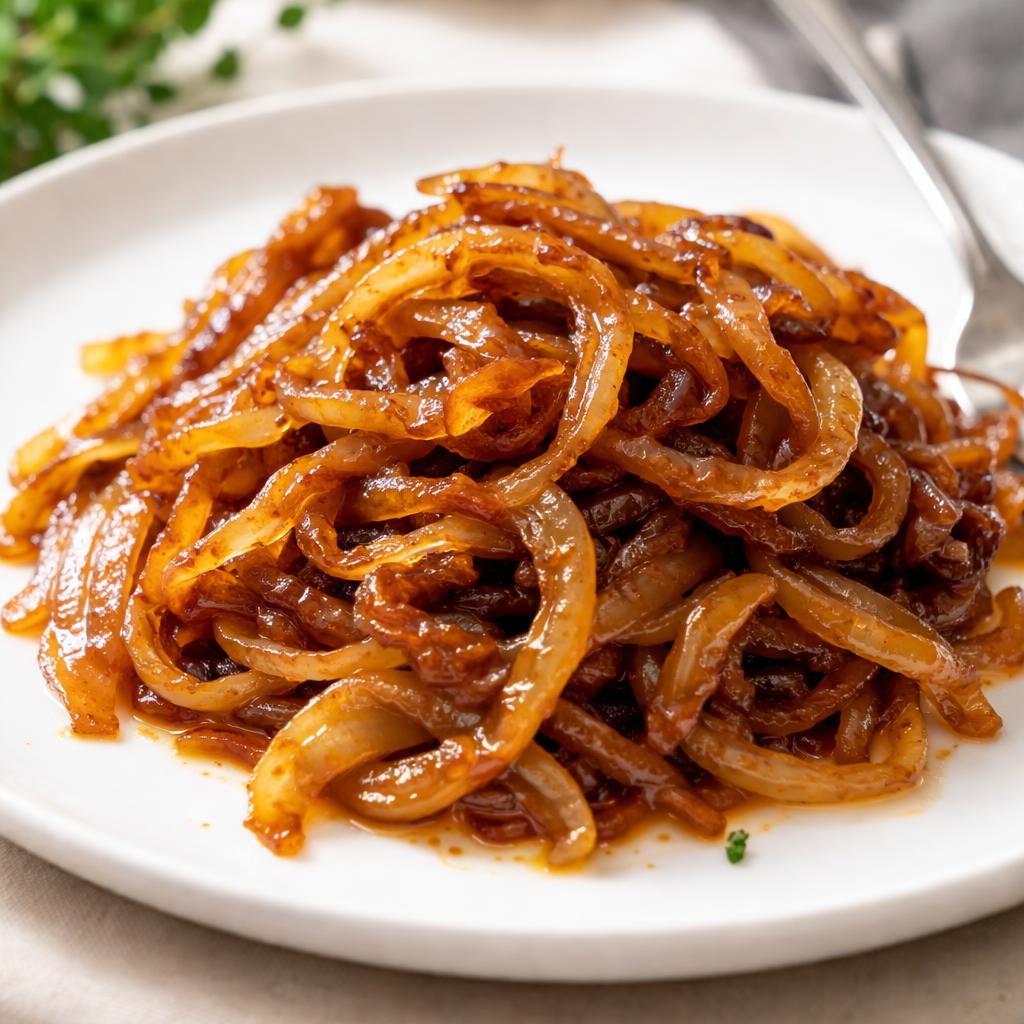
Caramelized Onions
🎯 Quick Verdict
Apples are lower in calories and higher in fiber compared to caramelized onions, making them a better choice for weight management and digestion. Caramelized onions offer some protein and healthy fats while being more suitable for adding flavor and sustenance to dishes. Apples are ideal for snacking, while caramelized onions are better as a cooking ingredient or condiment.

Smart Nutrition Tracking with SnapCalorie

📊 Nutritional Comparison
Macronutrients
| Nutrient | Food 1 | Food 2 | Winner |
|---|---|---|---|
| Calories | 95 | 120 | ✓ |
| Protein | 0.3g | 2g | ✓ |
| Carbs | 25g | 20g | ✓ |
| Fat | 0.3g | 3g | ✓ |
| Fiber | 4g | 1g | ✓ |
Vitamins & Minerals
| Nutrient | Food 1 | Food 2 | Winner |
|---|---|---|---|
| Vitamin C | 8mg | 2mg | ✓ |
| Vitamin A | 98IU | 5IU | ✓ |
| Potassium | 195mg | 250mg | ✓ |
🏆 Category Winners
Protein
Caramelized onions contain more protein.
Fiber
Apples have four times more fiber per serving.
Calories
Apples contain fewer calories compared to caramelized onions.
🥗 Diet Compatibility
Keto
Food 1: Not Compatible
Food 2: Compatible
Caramelized onions are low-carb compared to apples.
Vegan
Food 1: Compatible
Food 2: Compatible
Both foods are plant-based and vegan-friendly.
Gluten Free
Food 1: Compatible
Food 2: Compatible
Neither food contains gluten.
Paleo
Food 1: Compatible
Food 2: Compatible
Both foods fit paleo dietary guidelines.
Low-Carb
Food 1: Not Compatible
Food 2: Compatible
Apples are higher in carbs than caramelized onions.
💪 Health Benefits Comparison
Food 1 Benefits
- Rich source of dietary fiber for digestive health
- Contains antioxidants that combat inflammation
- Supports immune function with vitamin C
- Low in calories, making it ideal for weight management
Food 2 Benefits
- Provides some protein for muscle maintenance
- Contains beneficial compounds that support heart health
- Rich in potassium to aid electrolyte balance
- Improves flavor profile in meals with natural sweetness and healthy fat
✅ The Bottom Line
Apples are better suited for those seeking a healthy snack option focused on fiber and low calories, whereas caramelized onions shine as a flavorful addition to cooked dishes due to their protein, healthy fats, and potassium content.
Choose Food 1 for: Snacking, digestive health, weight management
Choose Food 2 for: Cooking, flavor enhancement, nutrient boost in meals


