Apple VS Bulgur
A detailed nutritional comparison
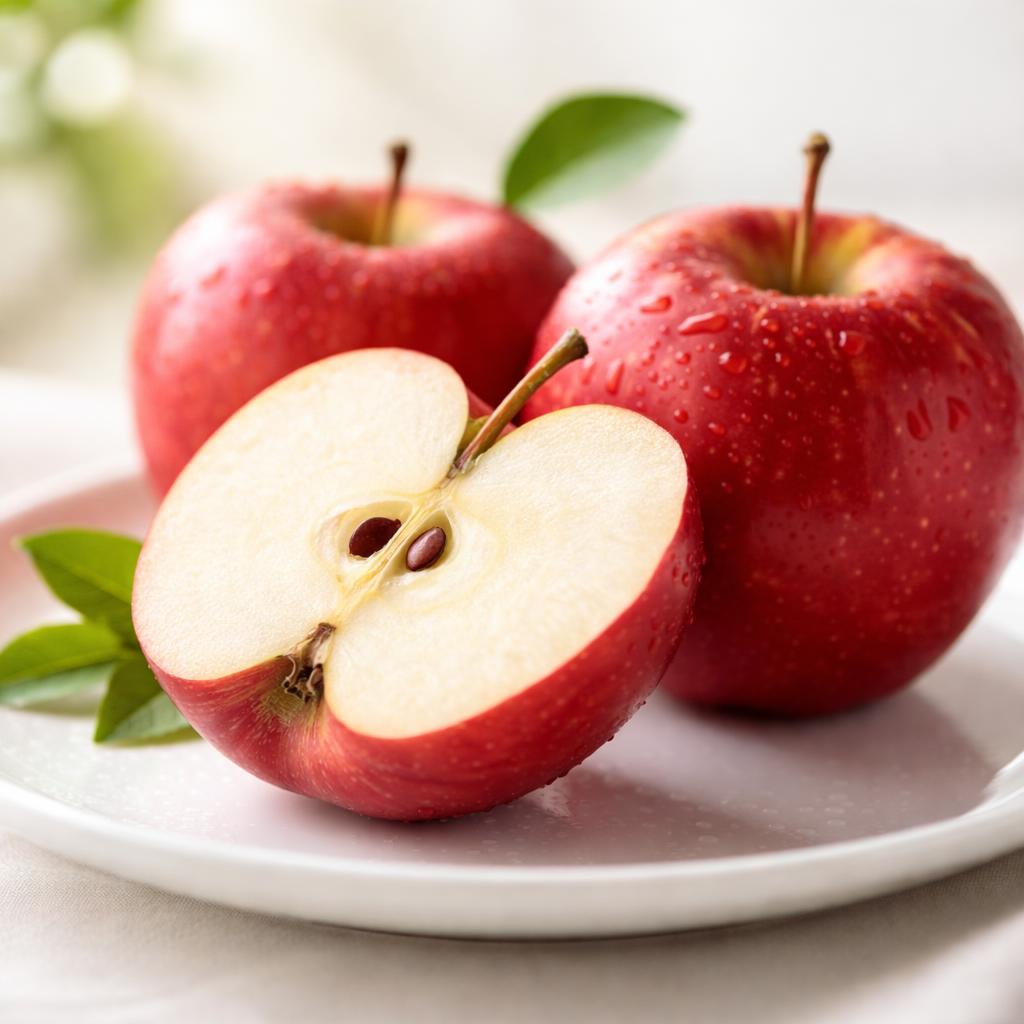
Apple
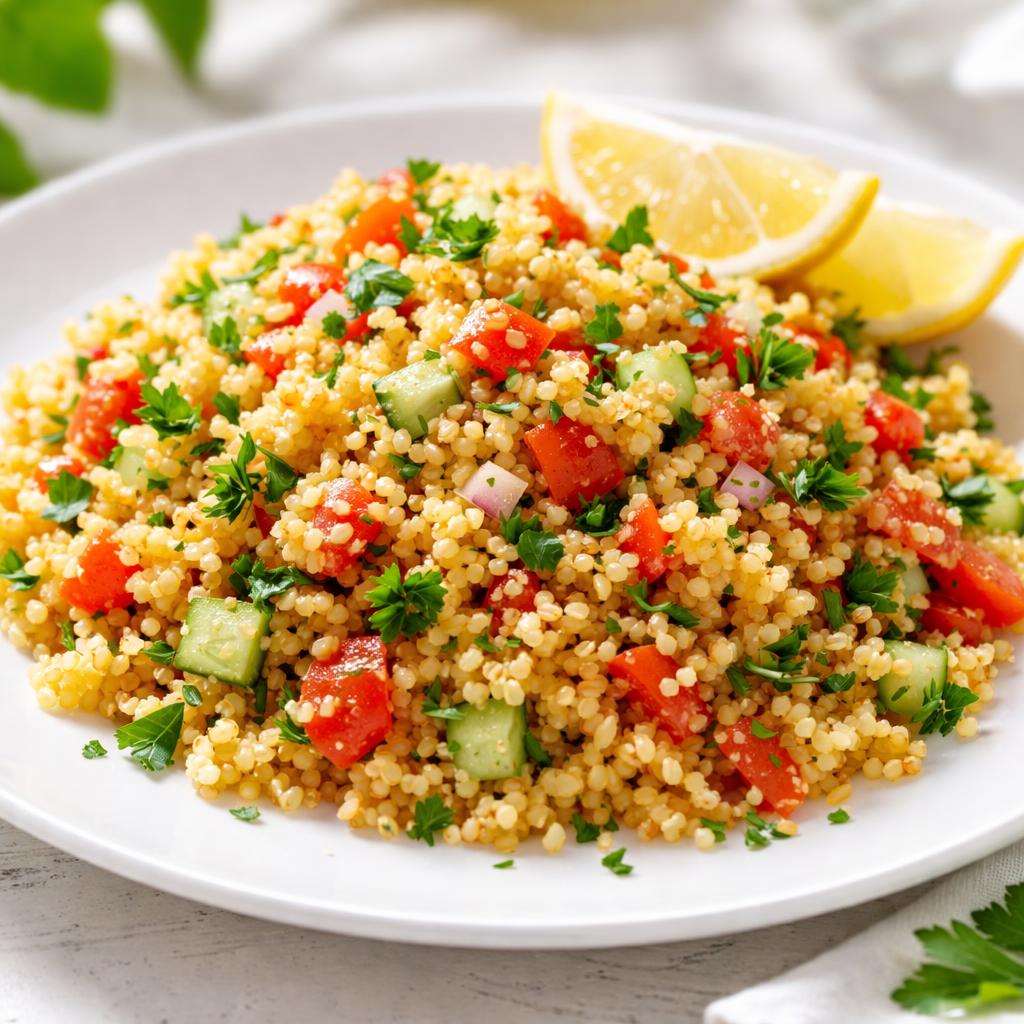
Bulgur
🎯 Quick Verdict
Apples are low-calorie, hydrating, and naturally sweet, offering vitamin C and a small amount of fiber. Bulgur, on the other hand, is a protein- and fiber-rich grain that's better suited for energy density and sustained satiety. Choose apples for snacking or light meals, while bulgur is more suited for hearty dishes and balanced nutrition in meals.

Smart Nutrition Tracking with SnapCalorie

📊 Nutritional Comparison
Macronutrients
| Nutrient | Food 1 | Food 2 | Winner |
|---|---|---|---|
| Calories | 95 (medium apple) | 150 (1 cup cooked) | ✓ |
| Protein | 0.5g | 5g | ✓ |
| Carbs | 25g | 34g | ✓ |
| Fat | 0g | 0.4g | ✓ |
| Fiber | 4g | 8g | ✓ |
Vitamins & Minerals
| Nutrient | Food 1 | Food 2 | Winner |
|---|---|---|---|
| Vitamin C | 8.4mg (medium apple) | 0.2mg (1 cup cooked) | ✓ |
| Calcium | 11mg | 18mg | ✓ |
| Iron | 0.22mg | 1.75mg | ✓ |
| Potassium | 195mg | 124mg | ✓ |
🏆 Category Winners
Protein
Bulgur contains 5g of protein per cup, while apple has only 0.5g.
Fiber
Bulgur provides double the fiber content compared to apple (8g versus 4g).
Calories
A medium apple has only 95 calories, compared to 150 in 1 cup of bulgur.
Vitamins
Apples excel in Vitamin C and potassium, while bulgur surpasses in calcium and iron.
🥗 Diet Compatibility
Keto
Food 1: Not Compatible
Food 2: Not Compatible
Both foods are relatively high in carbs.
Vegan
Food 1: Compatible
Food 2: Compatible
Both are plant-based foods suitable for vegan diets.
Gluten Free
Food 1: Compatible
Food 2: Not Compatible
Apples are gluten-free, while bulgur, a wheat product, contains gluten.
Paleo
Food 1: Compatible
Food 2: Not Compatible
Apples align with paleo guidelines, whereas bulgur is a grain not permitted in paleo diets.
Low Carb
Food 1: Not Compatible
Food 2: Not Compatible
Both foods have moderate to high carb content.
💪 Health Benefits Comparison
Food 1 Benefits
- Rich in antioxidants, including flavonoids, to fight inflammation.
- Good source of vitamin C for immune health.
- Contains fiber that supports digestive health and lowers cholesterol.
- Hydrating and low in calories, ideal for weight management.
Food 2 Benefits
- High fiber content supports gut health and sustained satiety.
- Contains plant-based protein to aid muscle maintenance and repair.
- Rich in iron to support energy production and prevent anemia.
- Offers complex carbohydrates for sustained energy release.
✅ The Bottom Line
Choose apples for low-calorie snacking, hydration, and a quick energy boost. Opt for bulgur in meals where sustained energy, higher protein, and fiber are priorities. Both are nutrient-rich and versatile but fit different dietary needs.
Choose Food 1 for: Weight management, hydration, light snacks, digestion support
Choose Food 2 for: Muscle repair, sustained energy, hearty meals, fiber-dense diets


